Logo
Get Estimate

Airborne Mold Sampling Salt Lake City UT

Clear answers about airborne spores in your home


Airborne Mold Sampling Salt Lake City UT helps you investigate musty odors, suspected hidden mold, or concerns after water damage. Our team collects controlled air samples and sends them for laboratory analysis, so you can understand what is present before deciding on repairs or remediation. Salt Lake City airborne mold sampling is useful for homeowners, property managers, and buyers who need evidence tied to a specific room or indoor-air concern.

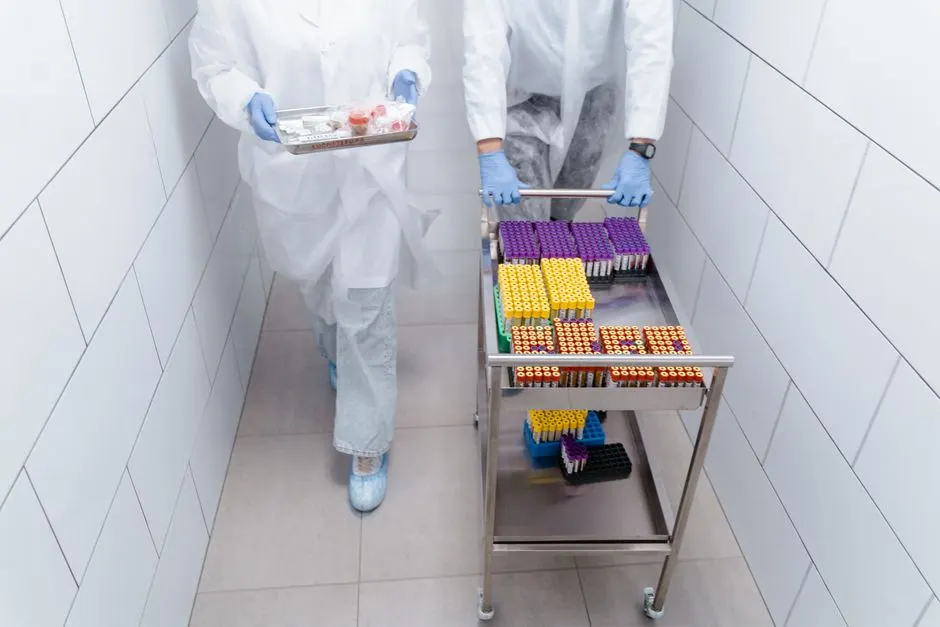
Researchers in lab coats and gloves handling medical samples in a sterile laboratory setting.
Licensed Licensed & Bonded
Fully Insured Insured & Bonded
24/7 Emergency Same-Day Response
Warranty Backed Workmanship Guaranteed in Salt Lake City

What Airborne Sampling Includes

Your visit includes a discussion of the concern, a visual check of accessible areas, sample planning, air collection, laboratory submission, and a review of the findings. We document each location and relevant conditions. Additional services such as destructive wall access, extensive surface sampling, or a full moisture map are separate tasks and are recommended only when they answer a specific question.

Concern And Room Review

We ask about odor timing, prior leaks, recent cleanup, and which rooms cause concern. You show us the affected areas, and we note visible staining or damp materials. This establishes why sampling is being done and helps focus collection on locations that matter.

Sample Location Planning

We select indoor points based on the reported issue and accessible room conditions. When appropriate, we add an outdoor comparison sample. The plan is recorded so each laboratory result remains tied to a known location rather than an unidentified cassette.

Air Collection And Records

A calibrated pump draws air through a spore trap cassette for a measured collection period. We label the cassette, record the location and collection details, and complete chain-of-custody forms for laboratory handling.

Lab Findings Review

We review the laboratory report with you, explain the identified categories and counts, and relate them to the room conditions. If the evidence points to moisture or a concealed source, we discuss a targeted next step rather than treating the air sample as a complete building survey.

Airborne Mold Sampling Salt Lake City UT Explained


Airborne Mold Sampling Salt Lake City UT is an indoor environmental testing service that measures airborne mold spores when unexplained odors, water damage, or suspected hidden growth calls for evidence. We use a calibrated HEPA air sampling pump with a spore trap cassette to collect a measured volume of air, often alongside an outdoor comparison sample. The laboratory examines the captured particles and reports mold types and counts. Results are interpreted with the room conditions and inspection findings; a single sample does not identify every concealed source or prove that a building is safe.

Salt Lake City homes face dry outdoor air for much of the year, but winter inversions, snowmelt, plumbing leaks, and tightly closed windows can change indoor conditions. We investigate water intrusion and damp building materials, condensation-related growth, and persistent musty odors before choosing sample locations. If you are searching for an indoor air mold test for a Salt Lake City home, our visit combines air collection with visual checks and moisture readings. Sampling is most useful when connected to a clear question, such as whether a repaired leak still affects a living area.

What To Expect During Sampling

Airborne mold sampling in Salt Lake City, Utah starts with your concern, not a preset number of samples. We ask about leaks, odors, recent repairs, and the rooms affected, then choose collection points that answer a practical question. Most visits take about 1 to 3 hours, depending on room count, access, and whether moisture mapping or additional sample types are needed.

01

Schedule

Call or book online — a real human picks up and confirms a 2-hour arrival window.

02

Diagnose

Licensed tech inspects on-site, then walks you through the cause and your options.

03

Fix

The job is completed to code and done right the first time — no shortcuts, no surprises.

04

Guarantee

Every job backed by a written workmanship warranty — and we stand behind it.

Sampling Tools And Methods

Tools & Equipment

HEPA air sampling pump

The pump draws a measured volume of air through a collection cassette. We keep it stable at the selected location and record collection details so laboratory findings can be linked to the room sampled.

Spore trap cassette

A spore trap cassette captures airborne particles on an adhesive surface for laboratory examination. We identify each cassette by location and handle it carefully to preserve sample traceability.

Moisture meter

A moisture meter compares readings in suspect building materials with nearby areas. It helps us check whether a past leak or damp condition remains relevant to the air-sampling question.

Thermal imaging camera

A thermal imaging camera shows surface temperature patterns that may guide further inspection. We verify suspicious patterns with moisture readings because an image alone cannot confirm mold or hidden water.

Zefon Air-O-Cell cassette

The Zefon Air-O-Cell cassette is a common spore-trap collection device used with a compatible pump. We record the cassette and location details and submit it for the laboratory method selected for the investigation.

Methods & Standards

Indoor And Outdoor Comparison

When conditions make it useful, we collect an indoor sample and an outdoor reference sample using comparable collection procedures. The comparison adds context because outdoor spores enter buildings naturally. We consider weather, open windows, room activity, and the sample locations before explaining differences.

Targeted Room Sampling

We select rooms based on odor reports, water history, visible conditions, or a post-remediation question. Each cassette is labeled and documented separately. This method keeps results tied to a defined area and avoids treating a small number of samples as a complete map of the entire property.

Moisture-Guided Investigation

Air collection is paired with non-destructive checks where appropriate. We compare material moisture readings and use thermal patterns to guide attention, then explain if a suspected cavity requires a separate inspection. The goal is to connect airborne findings to building conditions without overstating what a sample proves.

Laboratory Chain Of Custody

We label samples, record collection information, and submit them with chain-of-custody forms. Laboratory analysis identifies captured particles according to the selected method. The report is then interpreted with the collection locations and site observations, rather than as a diagnosis detached from the building.

When Air Sampling Helps

01

A Sugar House homeowner notices an earthy odor in a bedroom after a supply-line leak was repaired.

What we do: We check the affected wall and nearby materials, take moisture readings, and collect a room sample if air evidence will answer the concern. An outdoor comparison may help place indoor findings in context. We document what was accessible and identify whether further inspection of the repaired area is warranted.

→ You get a room-specific lab result and a clear direction: monitor dry materials, investigate a suspected cavity, or address moisture that remains.

02

A buyer in The Avenues finds old staining and wants more information before making a property decision.

What we do: We review the stain history, inspect accessible areas, and determine whether selected air samples address the buyer's question. If the concern is limited to a material, we may explain why a surface or bulk sample is more relevant than air collection alone.

→ The buyer receives documented findings tied to the inspected area, helping focus a follow-up request on the actual moisture or mold concern.

03

A Central City property manager needs a post-cleanup check in a tenant-occupied lower-level room.

What we do: We review the work area, note whether visible debris or dampness remains, and collect samples at agreed locations. We document conditions and lab submissions, then explain how results relate to the cleanup question and any remaining moisture source.

→ The manager has a traceable report for the selected room and a practical basis for deciding whether further correction or monitoring is needed.

04

A Rose Park homeowner suspects attic condensation after a cold-weather period and notices an odor upstairs.

What we do: We inspect accessible attic conditions and the rooms below, looking for staining, damp materials, and ventilation-related clues. Air sampling is used only if it answers whether selected occupied rooms show a distinct airborne pattern.

→ You learn which areas need attention and whether the next step is roof or ventilation repair, moisture control, or additional targeted investigation.

How Sampling Works In Salt Lake City

Salt Lake City's high-desert climate brings dry air much of the year, but winter temperature swings and closed windows can increase indoor condensation at cold surfaces. Snowmelt, roof leaks, irrigation near foundations, and plumbing failures also create localized damp materials. Older homes in Capitol Hill and The Avenues may have basements, additions, or wall assemblies that complicate access; newer and remodeled properties can still develop moisture problems around windows or HVAC components. We plan Salt Lake City airborne mold sampling around the building history and the specific room, not just the season. In winter, we ask about condensation and ventilation; during spring thaw, we look for fresh water intrusion. If you need airborne mold sampling in Salt Lake City, Utah, we inspect accessible areas and note limitations before collecting air. Salt Lake County properties in ZIP codes 84114, 84112, and 84116 receive the same location-specific approach. Utah's EPA guidance for mold and moisture in buildings emphasizes moisture control as the practical foundation of prevention.

Neighborhoods We Serve

  • Capitol Hill

    Older homes and remodeled spaces can have layered wall assemblies or basement areas. We record accessible conditions and avoid assuming that a single air sample identifies a concealed source.

  • Sugar House

    A mix of older houses and updated interiors means prior plumbing or window leaks can be hidden behind new finishes. We ask about repair history before choosing sample locations.

  • The Avenues

    Sloped lots, lower-level rooms, and attic spaces can shape where moisture appears. We connect air findings with the specific level and room under investigation.

  • Rose Park

    Basements and utility areas are common places for odor concerns after a leak. We check accessible materials and focus sampling on the rooms tied to the reported issue.

Local Conditions We Plan For

  • Winter condensation on cold windows and exterior walls

    Indoor moisture can collect at cold surfaces when ventilation is limited. We ask when condensation occurs and check the nearby materials, since a short-lived damp surface differs from a continuing leak or concealed wet area.

  • Spring snowmelt or roof runoff near foundations

    Water entering a basement or crawl space can leave damp materials and persistent odors after visible water is gone. Sampling is planned only after we identify the affected area and check whether moisture remains.

  • Dry outdoor air with intermittent indoor moisture sources

    A generally dry climate does not rule out a localized plumbing, HVAC, or roof problem. We interpret samples against the outdoor comparison and building observations instead of treating regional climate as proof of dry indoor materials.

Bedroom Odor After A Leak

Before

A homeowner reported a musty bedroom after a repaired pipe leak, but the wall looked intact and the odor came and went. They had no record of which area had been checked, and were unsure whether to repaint, open the wall, or monitor the room.

After

We documented the room, checked accessible materials, and collected a targeted air sample with a comparison point. The report tied findings to the bedroom and the collection conditions. The owner had a clearer basis to investigate the repaired wall rather than treating the odor alone as proof of widespread mold.

Maintenance: Keep the repaired area dry and check it after heavy use of the plumbing. Watch for renewed staining or odor, and address any fresh moisture promptly. Repeat sampling only if conditions or the original question materially change.

Before

After cleaning a damp basement, the owner still noticed an earthy smell near stored belongings. No sample locations or moisture notes had been recorded, so it was difficult to separate residual odor from a continuing moisture issue.

After

We checked the accessible basement area, documented moisture observations, and collected samples at selected locations. The lab report provided findings for those areas, while the inspection notes highlighted the importance of keeping materials dry. The owner could prioritize moisture control and storage changes with clearer evidence.

Maintenance: Keep stored items off damp walls and monitor the basement after snowmelt or plumbing work. A data-logging hygrometer can help track indoor relative humidity; investigate persistent readings above roughly 60 percent along with visible dampness rather than relying on one number alone.

Before

A property owner had completed cleanup in a lower-level room but wanted documentation before returning it to normal use. The work area had been addressed, yet the owner needed sample locations and findings connected to the post-work question.

After

We reviewed the accessible area and collected documented samples for laboratory analysis. The resulting record identified the tested locations and gave the owner a specific basis for discussing the next step with the remediation contractor. Results were considered alongside visible conditions and moisture observations.

Maintenance: Maintain the repaired moisture source, keep the area accessible for periodic visual checks, and follow the contractor's cleanup recommendations. If water returns or new growth appears, address that condition first and decide whether another targeted sample will answer a new question.

Answers For Common Mold Concerns

Air sampling is useful when a specific concern needs evidence, but the building history still matters. We connect the sample to likely moisture pathways and explain what to do next. If you are considering residential mold air sampling in Salt Lake City, start with the room, odor, leak, or cleanup question you want answered.

Problem

Musty odor persists after a plumbing leak was repaired.

Odor can point to damp material or concealed growth that remains after the visible leak is fixed, leaving you unsure whether the room is ready to use.

Our Fix

We inspect accessible areas, check suspect materials with a moisture meter, and collect air samples when they can clarify the indoor condition. If readings or observations suggest a hidden cavity, we identify the area for focused follow-up instead of claiming the air test locates mold behind every wall.

Problem

A basement feels damp despite no visible mold.

Below-grade moisture can persist behind stored items or near foundation edges, while a musty smell spreads into rooms above and raises questions about indoor air.

Our Fix

We assess the basement and likely moisture pathways, then choose sample points that reflect the reported concern. The report is interpreted with room conditions and any damp-material observations, helping you separate a ventilation or moisture-control issue from a reason for further mold investigation.

Problem

You need evidence after cleanup or remediation.

Without a documented check, owners may have no consistent record of the tested rooms or whether the post-work question was addressed.

Our Fix

We record the areas sampled and submit cassettes for laboratory analysis. Results are discussed alongside visible conditions and source correction, with the IICRC S520 mold remediation standard as relevant context. Air sampling supports an informed review but does not replace the remediation work plan.

Problem

An attic leak or HVAC concern affects occupied rooms.

Roof leaks, condensation, or growth around HVAC components can create uncertainty about whether an issue is limited to one space or has an indoor-air impact.

Our Fix

We ask how the issue developed, inspect accessible areas, and sample rooms chosen to address the concern. Where a suspected source is not accessible, we explain what the air findings can establish and whether a contractor's targeted inspection is the practical next step.

Useful Answers, Not Guesswork

Useful Answers, Not Guesswork

Air sampling gives you documented evidence to guide the next step, whether that means fixing a moisture source, checking a hidden cavity, or confirming post-remediation conditions. We explain what the results measure and what they cannot establish, so you can make a practical decision rather than treating every spore count as a diagnosis.

  • Compare Indoor And Outdoor

    We collect a comparison sample when conditions permit, helping you see whether indoor spore types or concentrations differ from the outdoor baseline. That context matters because mold spores occur naturally outside. A room showing a distinct pattern deserves closer investigation, but the count is interpreted alongside moisture, visible conditions, and the sample location.

  • Target The Suspect Room

    Instead of sampling randomly, we focus on the room tied to your concern: a basement with a musty smell, a bedroom beside a past leak, or an area near HVAC components. You get a record of where each sample came from, which makes follow-up inspection and repair planning more specific.

  • Support Remediation Decisions

    After cleanup, air sampling can help assess whether airborne conditions have changed in the tested area. We document the collection method and room conditions, then compare results with the project question. It is a useful check, not a substitute for correcting the moisture source or following the IICRC S520 mold remediation standard.

  • Create A Clear Record

    Laboratory findings, sample locations, and observed moisture conditions give you a concise record for property decisions. Owners and managers can use the report to prioritize investigation, discuss work with a remediation contractor, or track a recurring concern. We explain the findings in plain language instead of leaving you with unexplained numbers.

Standards And Documentation

Licensed & Certified

  • Council-certified Microbial Investigator — issued by American Council for Accredited Certification
  • Council-certified Indoor Environmental Consultant — issued by American Council for Accredited Certification
  • Council-certified Indoor Environmentalist — issued by American Council for Accredited Certification
  • AIHA Laboratory Accreditation Programs — issued by American Industrial Hygiene Association

Verified Reviews

Google ★★★★★4.9

A homeowner in Salt Lake City described a careful visit after a leak, with samples labeled by room and results explained without alarm. The review highlighted that the technician connected the lab findings to moisture observations and gave the owner a practical follow-up direction.

Google ★★★★★4.8

A Sugar House property owner appreciated the explanation of indoor and outdoor comparison samples. The report made it clear which rooms were tested and what the results could establish, helping the owner discuss a targeted repair instead of guessing from a persistent odor.

Yelp ★★★★★5.0

A customer in The Avenues noted that the sampling process was straightforward and the report was easier to understand than expected. They valued the technician's attention to a past roof leak and the distinction between an air result and proof of a hidden source.

Field Experience And Judgment

Good sampling depends on choosing the right rooms, controlling the collection process, and reading the laboratory report in context. Our local experience includes homes with basement moisture, attic staining after roof leaks, and mold concerns following plumbing repairs. We use recognized collection practices and work with laboratory analysis rather than relying on visual impressions alone. The Council-certified Microbial Investigator (CMI) and Council-certified Indoor Environmental Consultant (CIEC) are relevant credentials in this field; our findings are presented with the limits of sampling clearly explained.

  • We distinguish a screening sample from a source investigation, so you know what each collection can and cannot answer.
  • Our technicians document sample locations, collection conditions, and relevant moisture observations for a usable record.
  • We consider EPA guidance for mold and moisture in buildings when explaining practical moisture-control steps.
  • We connect air results with visible indoor mold growth, musty odors, and the history of water intrusion.
  • Where a concern is not airborne, we explain when surface swabs or a tape lift sampling kit better fit the question.
Get Started Today
Field Experience And Judgment

Airborne Mold Sampling Questions

Real answers to the questions we hear most often from local homeowners and property managers.

How much does airborne mold sampling cost in Salt Lake City?
Most residential sampling visits cost about $250 to $650 in 2026, depending on sample count, access, and laboratory analysis. A focused visit with a few air samples costs less than a multi-room investigation that includes moisture mapping or surface samples. We explain the price before work starts. Ask whether the lab fee, comparison sample, and written report are included so you can compare the full service.
Who provides air mold testing near me in Salt Lake City?
Salt Lake Mold Testing provides air mold testing in Salt Lake City, Utah, with on-site sample collection and laboratory analysis. We serve neighborhoods including Sugar House, The Avenues, and Downtown Salt Lake City. Call +1 866-896-8166 to describe the concern and arrange a visit. If you are near Sugar House and dealing with a recurring odor, tell us which rooms are affected and whether there has been a leak.
How are airborne mold samples collected?
A technician uses a calibrated pump to pull a measured volume of air through a spore trap cassette, usually over several minutes per location. We record the room and sample conditions, seal the cassette, and submit it with chain-of-custody documentation for laboratory analysis. Indoor samples may be paired with an outdoor comparison. The results describe captured airborne particles at the sampling time, not every surface or hidden cavity.
When should I request indoor mold air sampling?
Request sampling when a persistent musty odor, unexplained water damage concern, or post-remediation question needs documented air evidence. It is also useful before buying a property if an inspection identifies damp materials or suspected hidden growth. Sampling works best after we identify the question and inspect accessible areas. If visible mold is extensive or moisture remains active, correcting the source is more urgent than collecting another air sample.

Related Mold Services

Mold Inspection

A mold inspection checks accessible areas for visible growth, moisture, and likely sources before or alongside air collection. For Salt Lake City properties, we use the inspection findings to choose relevant sample locations rather than testing rooms without a clear reason.

View Mold Inspection

Mold Testing

Mold testing may include air, surface, or bulk material samples depending on the question. We explain which method fits your concern and connect results to the room history, moisture readings, and visible conditions found during the visit.

View Mold Testing

Indoor Air Quality Testing

Indoor Air Quality Testing looks beyond mold when the concern involves stale air, particles, or comfort issues. Airborne sampling can be one component of a focused assessment, helping Salt Lake City owners distinguish a mold question from broader indoor-air concerns.

View Indoor Air Quality Testing

Mold Assessment and Written Reports

A written assessment organizes observations, sample locations, laboratory findings, and practical next steps. It gives owners and property managers a record to share with contractors and track against moisture repairs or remediation work.

View Mold Assessment and Written Reports

Residential Mold Inspection

Residential Mold Inspection focuses on the rooms and building materials that affect your household. We can add air collection when an odor, prior leak, or suspected hidden source makes laboratory evidence useful for deciding what to investigate next.

View Residential Mold Inspection

Commercial Mold Inspection

Commercial Mold Inspection evaluates occupied work areas, shared spaces, and reported problem locations. Air sampling can document conditions in selected rooms, with sample placement planned around access, occupancy, and the property manager's specific concern.

View Commercial Mold Inspection

Book Airborne Mold Sampling Salt Lake City UT

A musty odor or leak history deserves a clear next step. Call Salt Lake Mold Testing to discuss the affected rooms and arrange airborne sampling in Salt Lake City. Our team explains the collection plan and upfront pricing before the visit.

Call Today Book Sampling

Contact Salt Lake Mold Testing

Salt Lake City homeowners and property managers can call +1 866-896-8166 to discuss a leak, odor, stain, or post-remediation concern. Our phone line is open Monday through Friday, 8:00 a.m. to 6:00 p.m.; tell us which rooms are affected and when the water event occurred. We will help you identify the inspection or testing service that fits.

Or call us right now at +18668968166 — we answer.

Salt Lake Mold Testing


  • Phone

    +18668968166
  • Address

    Salt Lake City, Utah

  • Hours

    Mon–Fri: 7AM – 7PM
    Sat: 8AM – 4PM
    Sun: Emergency Only
    24/7 Emergency Available

Call +18668968166 Get Quote
Call Quote