
Temple Square
Temple Square is a central downtown landmark and a practical orientation point for nearby streets. Providing the nearest entrance or cross street helps distinguish a building's public-facing address from its service access.
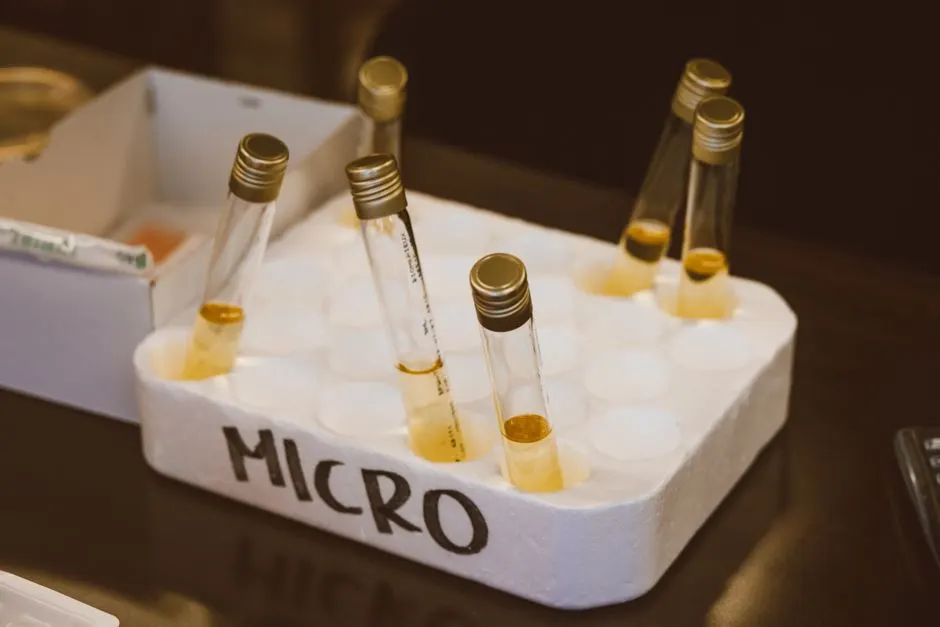
Mold Inspection and Testing in Downtown Salt Lake City is an indoor environmental assessment that locates moisture conditions and evaluates suspected mold when visible growth, odors, or water damage needs investigation. Salt Lake Mold Testing serves residential and commercial properties across Salt Lake County, including City Creek, South Temple, and West Downtown. The district's historic and contemporary multifamily buildings sit beside newer high-rise construction, so inspection access and materials vary from one address to the next. We check the reported area, surrounding surfaces, and likely moisture pathways before recommending sampling. For Mold Inspection and Testing Downtown Salt Lake City UT, our work can include moisture mapping, airborne sampling, surface samples, or a written assessment, depending on the question you need answered. You receive findings tied to the property conditions observed, rather than a sample result without context. We also coordinate practical access around occupied suites, building management requirements, and business hours.
Downtown Salt Lake City buildings range from individual apartments to occupied commercial floors, so an inspection has to fit the property's layout and access rules. We investigate leaks, musty odors, visible growth, and concerns after cleanup, then explain whether moisture mapping or laboratory samples are appropriate. If you are searching for mold testing for homes in Downtown Salt Lake City, Salt Lake City, we can focus the visit on the affected room and nearby building materials rather than treating every room as suspect. Sampling is selected to answer a defined question, not performed automatically.
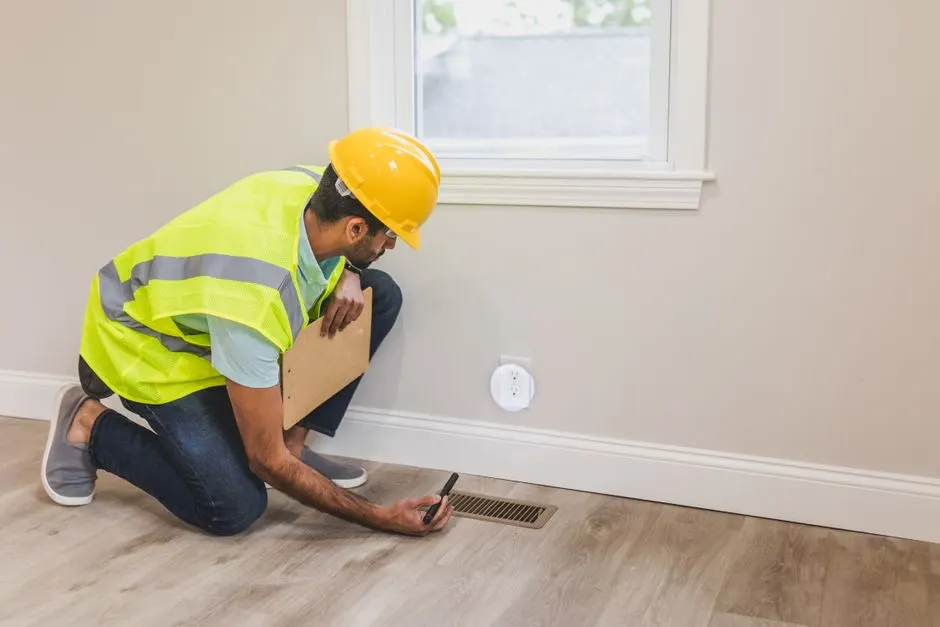

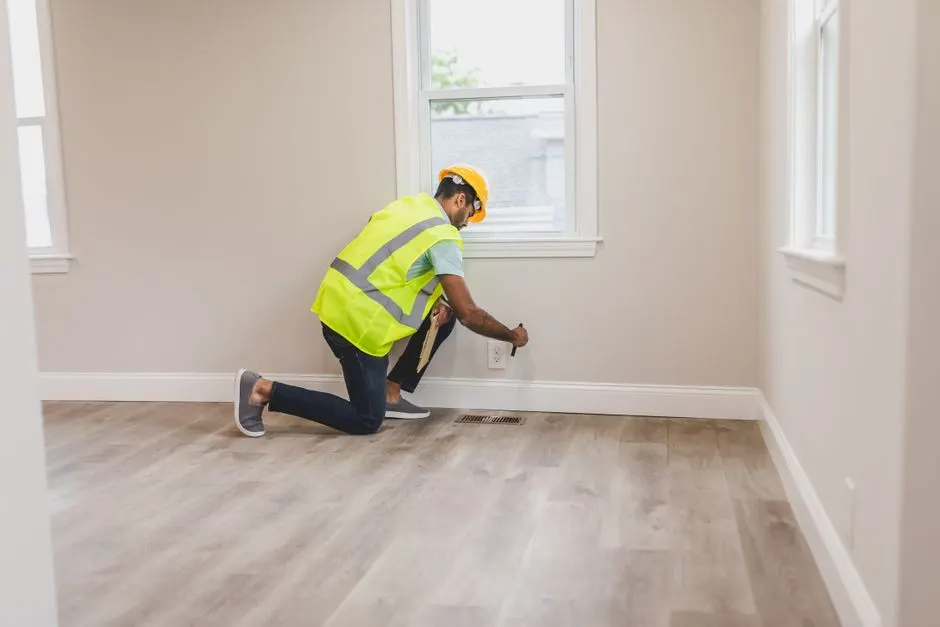

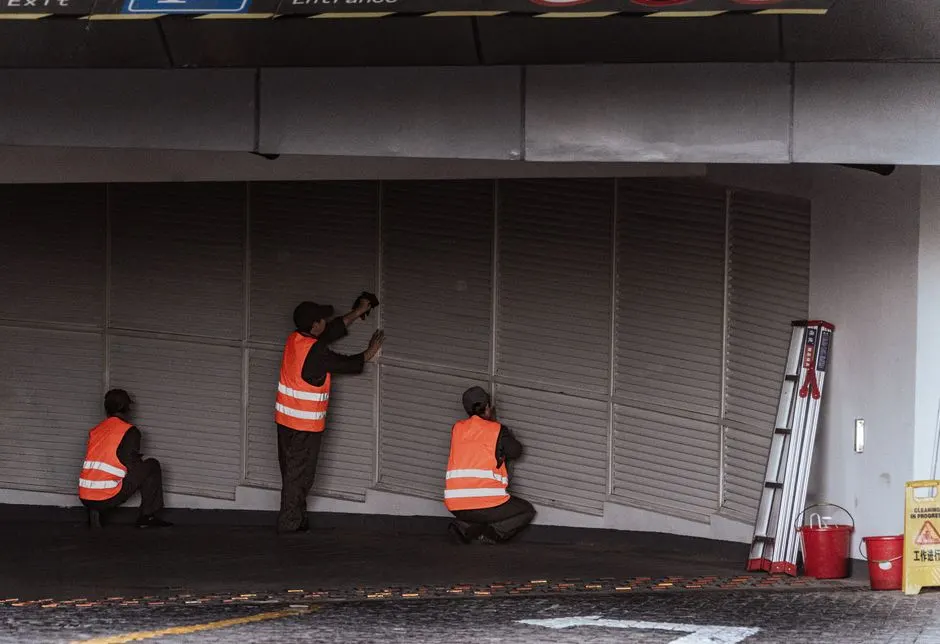
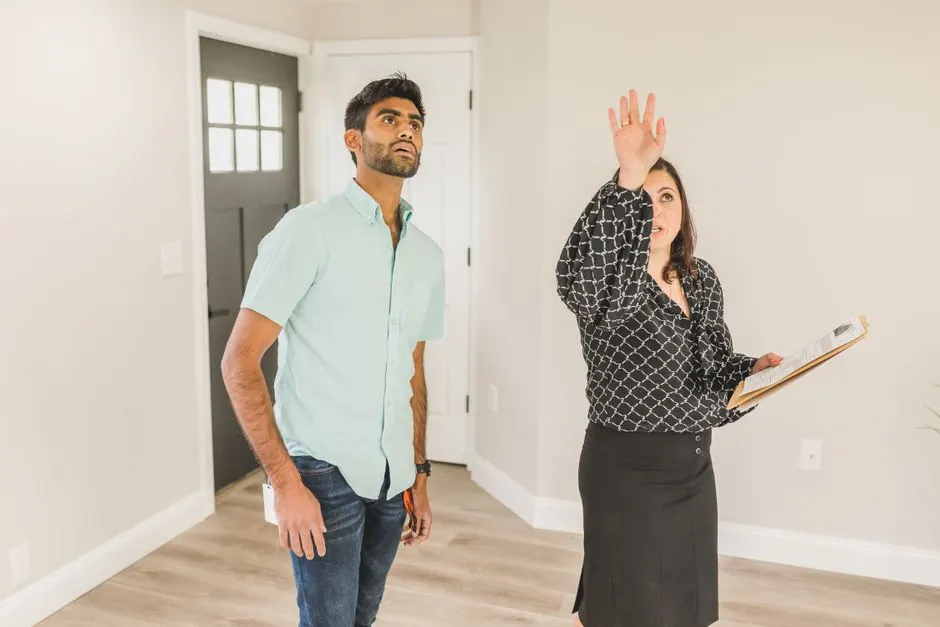

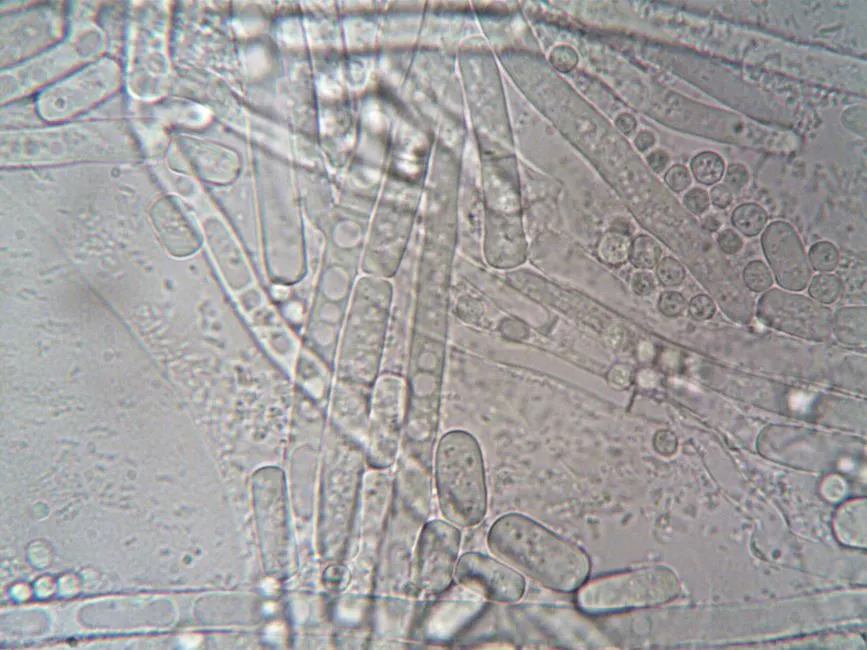

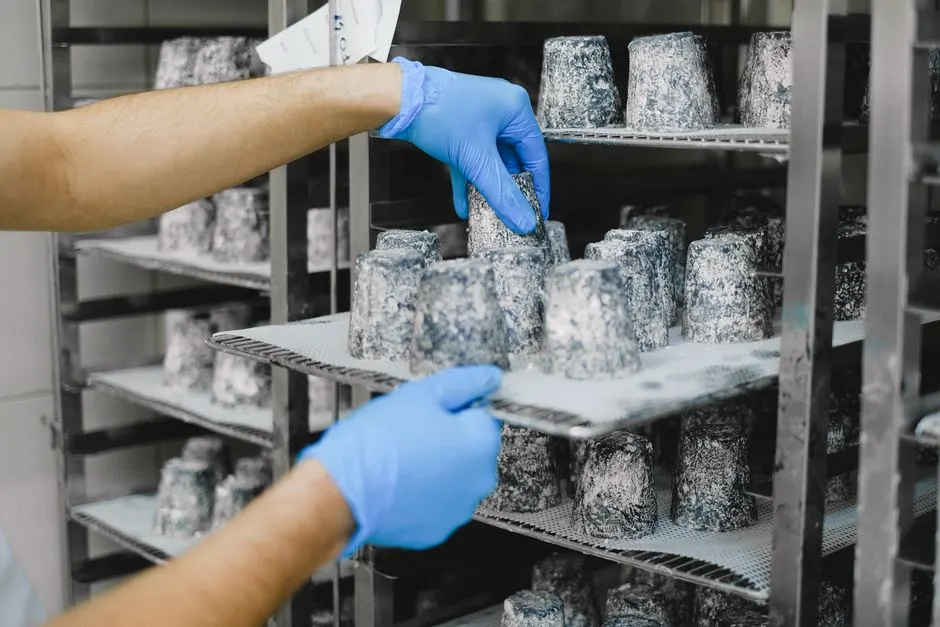
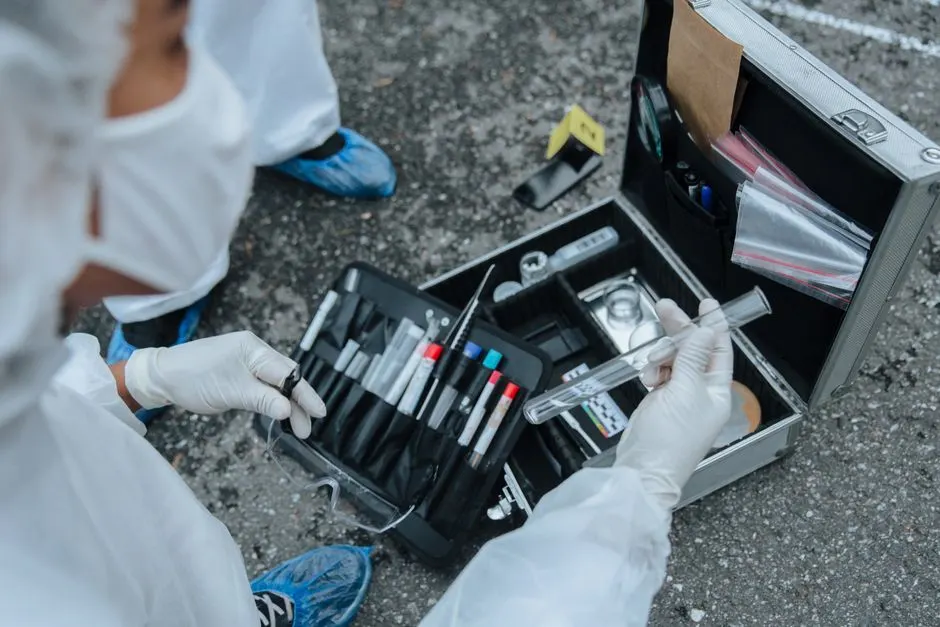
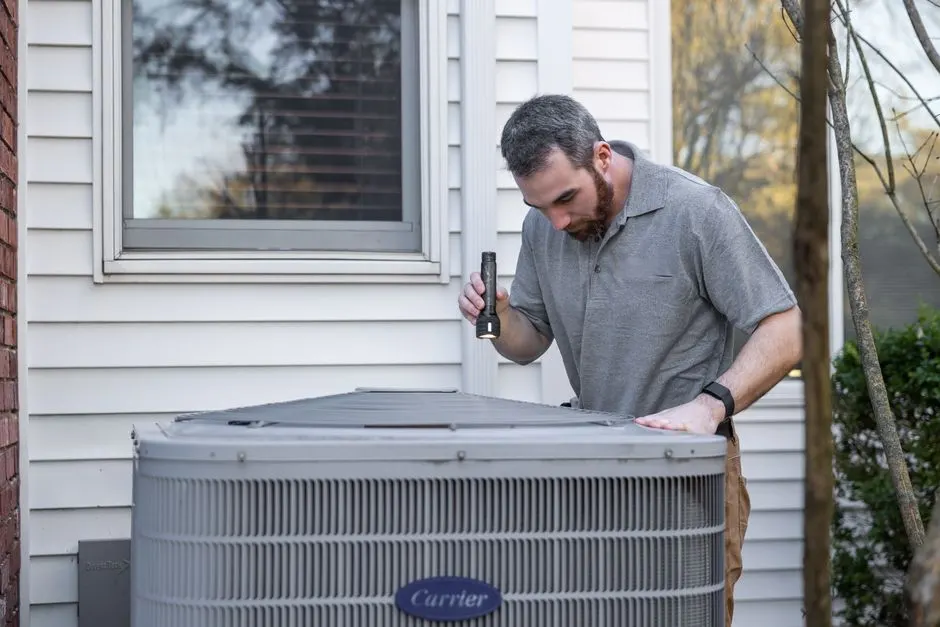

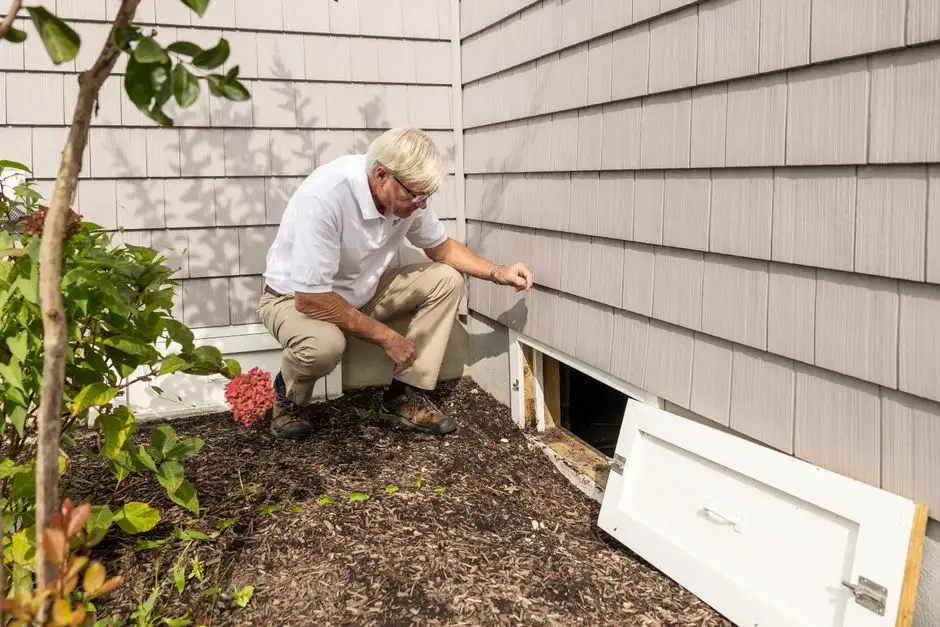
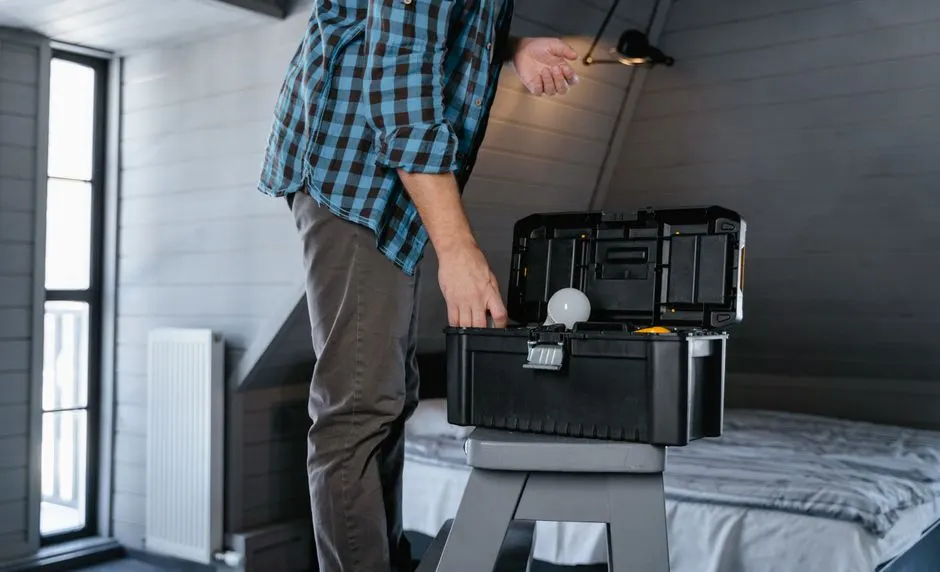
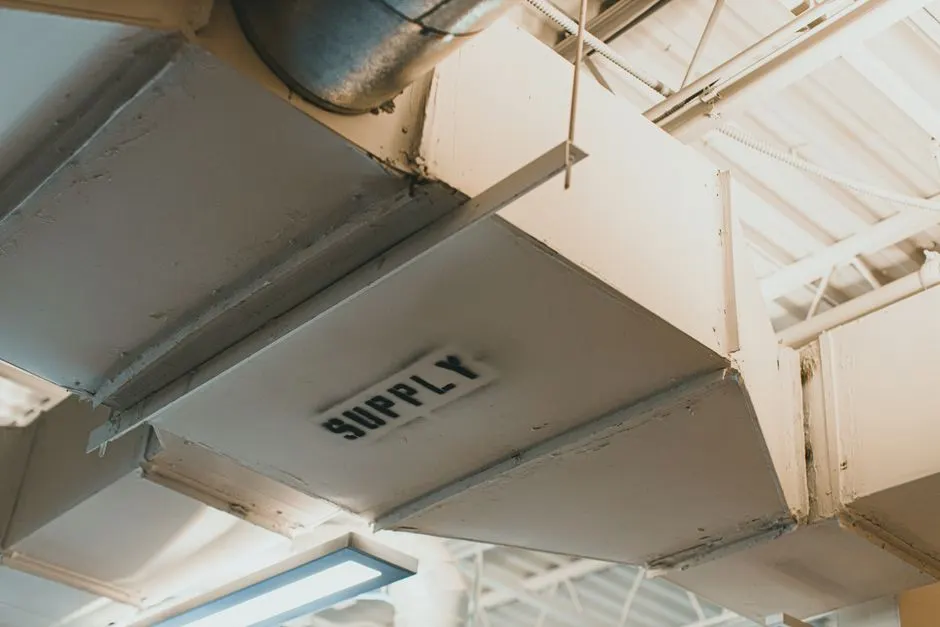
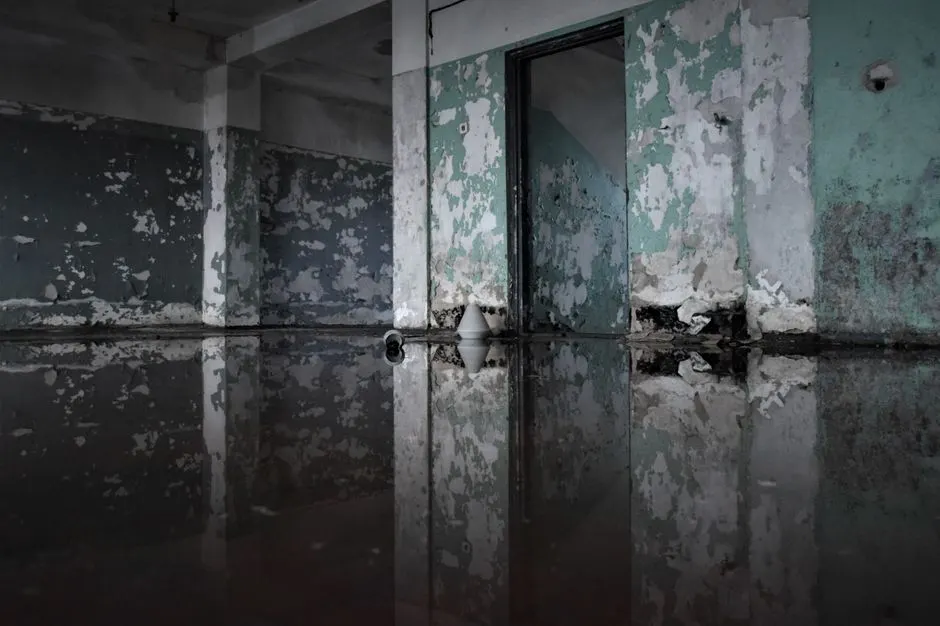
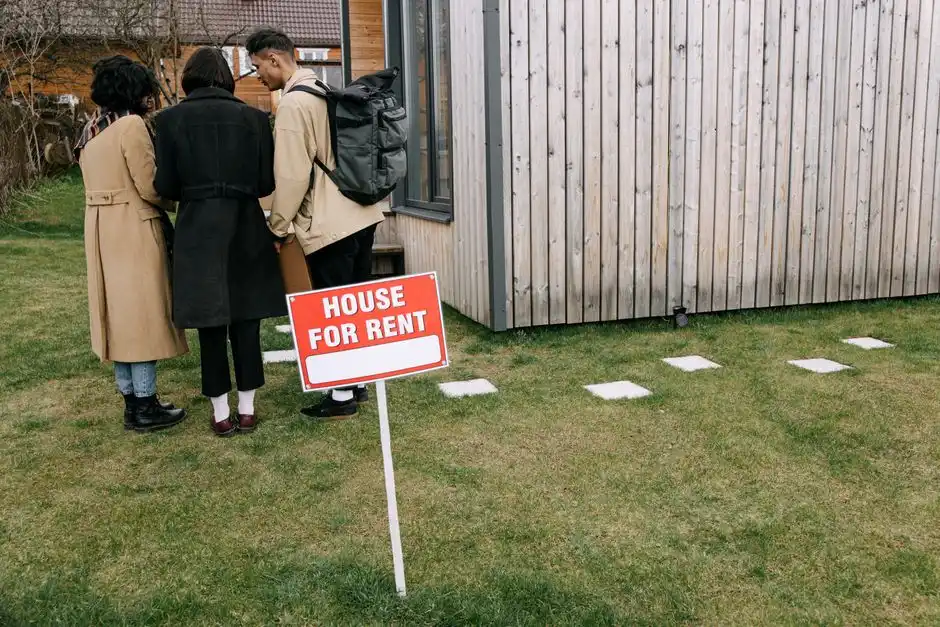
Downtown Salt Lake City includes older masonry buildings and newer high-rise construction, so water moves through different materials and assemblies. Cold-season temperature swings can create condensation at windows and other cold surfaces, while winter inversions raise practical concerns about ventilation and indoor air. A plumbing leak, roof entry, or damp basement still needs direct assessment; climate alone does not establish mold. Downtown Salt Lake City Mold Inspection and Testing starts with the property conditions and moisture history, then uses targeted testing where it answers a defined question.
Multifamily buildings often have plumbing routes and wet areas that extend beyond the visible stain. Water can travel along a ceiling, wall, or floor assembly before it appears in the occupied room. Repairs to the source do not always confirm that adjacent materials dried fully.
Cold outdoor conditions and indoor moisture can create condensation on colder glass, frames, and nearby finishes. Repeated wetting can damage paint or support surface growth, especially where airflow is limited. The building's use and ventilation affect the pattern, so each room needs its own assessment.
An odor can remain if wet materials were not fully dried, if a hidden cavity was affected, or if another source is present. Smell alone cannot identify mold or its location. In occupied downtown buildings, cleaning products and room use can also affect what occupants notice.
Roof leaks and ventilation imbalances can leave damp sheathing or contribute to seasonal condensation in attic spaces. Older buildings may have different access and roof assemblies from newer construction. A ceiling mark below an attic does not by itself prove that the space above remains wet.
Call for Mold Inspection and Testing in Downtown Salt Lake City when visible growth returns after cleaning, a musty odor persists, or a leak has left materials damp. A water stain alone does not prove mold, but it tells you to check for the source and current moisture. In apartments and offices with shared walls or floors, the affected area may not match the path of the water. If you are looking for an affordable mold inspector near Downtown Salt Lake City, start by describing the room, leak history, and how long the symptom has been present; those details help focus the visit.
Musty odor that returns after airing
A recurring odor can point to damp materials or a concealed source, particularly if it becomes stronger near a cabinet, wall, or HVAC register. Note where and when you notice it. A focused inspection can check moisture conditions and determine whether sampling would add useful evidence.
Dark spotting around a window frame
Condensation can wet window edges during cold weather, and recurring dampness can support growth on nearby finishes. Wipeable dust and old staining can look similar, so inspect the surface and check whether it feels damp or returns after cleaning. Persistent growth or wet material deserves prompt assessment.
Ceiling stain after a plumbing leak
A stain may remain after materials dry, but a new or enlarging mark can indicate ongoing water entry. In a multifamily building, the source could be above or beside the affected room. Record when it appeared and whether it changes; we can inspect the visible area and nearby accessible surfaces.
Growth or residue near HVAC components
Dust buildup, condensation, and mold can be confused around HVAC equipment. If residue returns after cleaning or is paired with dampness or an odor, an inspection can check accessible components and adjacent materials. Avoid disturbing suspected growth before the area has been assessed.
Damp basement materials or stored items
A damp smell, wet cardboard, or spotting on basement surfaces indicates moisture that needs attention, whether the source is a leak, seepage, or condensation. Remove items from direct contact with wet materials and arrange a moisture check. Ongoing dampness can affect finishes and stored belongings.
Downtown Salt Lake City addresses are easier to locate when the building entrance is tied to a familiar landmark or transit stop. We use these references for navigation only, then confirm the exact street address, suite, and access instructions with you. Landmarks do not determine whether a property needs inspection; the reported moisture, odor, or visible condition does. ZIP code 84114 is another central-area reference for address checks, while 84116 is part of the broader Salt Lake City service coverage.
Temple Square is a central downtown landmark and a practical orientation point for nearby streets. Providing the nearest entrance or cross street helps distinguish a building's public-facing address from its service access.
City Creek Center is a recognizable downtown location for route orientation. A property address near it still needs a complete street and suite detail so the right building entrance can be identified.
The Salt Lake City and County Building is a prominent civic landmark. It can help orient a route through the downtown area, but the inspection visit is directed by the property's specific address.
Plus surrounding Salt Lake County neighborhoods, with same-day routing on most appointments.
Averaging 4.9 / 5 across verified reviews.
“We had an odor in our apartment near South Temple after a small leak, and the inspector checked the wall and surrounding area instead of jumping straight to a broad test. The moisture readings and one sample were explained clearly. The report gave our property manager specific areas to follow up on, which made the next conversation much easier.”
Megan R.
South Temple
“Our West Downtown office had a ceiling stain after water came in. The inspection was organized around our access window, and the technician explained what the thermal image could show and what needed a direct moisture check. We received a concise report covering the affected area and practical repair follow-up, without treating the whole floor as contaminated.”
David K.
West Downtown
“I booked an inspection for a condo close to City Creek Center before moving forward with a purchase. The inspector looked at the discolored utility-area surface, checked nearby materials, and explained why a sample was useful. The findings were specific to the places examined, and I understood what the lab result could and could not tell me.”
Alyssa T.
City Creek
As November brings colder conditions, Downtown Salt Lake City property owners should watch for window condensation, indoor ventilation concerns, and leaks that become harder to spot behind closed rooms. Winter inversions and cold-season temperature swings can change how occupants use ventilation, but inspection findings still depend on building evidence. During the rest of the year, spring rain and snowmelt, summer cooling systems, and fall roof checks create different reasons to look for moisture. If you need mold sampling near Downtown Salt Lake City, the timing and room conditions are recorded so results have useful context.
As snowmelt and spring precipitation arrive, check basements, lower walls, and areas around roof transitions for new dampness. Older downtown masonry and below-grade spaces can show water entry in different places. A stain that enlarges or material that remains wet deserves investigation.
Tip: Photograph the stain and note when it appeared. If water is active, address the source promptly, then have affected materials checked before covering or repainting them.
Cooling systems can create condensation where cold surfaces meet warm indoor air, and HVAC components may draw attention when odors or residue appear. Occupied offices and apartments also have varying airflow and room use, which matters when air samples are planned.
Tip: Keep condensate drains clear and report recurring moisture near equipment. Tell us whether the system was running before sampling so the room conditions can be documented.
Fall is a useful time to look for roof-entry signs, attic moisture, and leaks before colder weather limits ventilation habits. Leaves or debris are not a mold diagnosis, but water stains and damp materials should be assessed before winter occupancy increases.
Tip: Check accessible ceilings and attic areas after heavy rain. Record repairs and prior leak locations so an inspection can compare current conditions with the building's history.
In winter, cold surfaces and indoor moisture can lead to window condensation, while inversions and closed-window conditions increase concern about ventilation. Temperature swings can make some surfaces colder than adjoining rooms, but a moisture check is needed to establish whether materials are damp.
Tip: Wipe condensation, improve safe airflow, and watch whether spotting returns. For persistent dampness or odor, arrange an inspection and avoid disturbing suspected growth before the visit.
Downtown is the center of our Salt Lake City service area, and we also schedule inspections across nearby neighborhoods listed below. A shared service region helps when owners manage more than one property or need consistent documentation across addresses. Travel and access are planned by the property location, building entry, and the inspection concern. Call with your address and we can direct you to the relevant area page or service information.
(City)
Capitol Hill borders the downtown core to the north, making it a close neighboring service area for homes and multifamily buildings.
View Capitol Hill(City)
The Avenues lies northeast of downtown; residents and property managers can use the same inspection services across the adjoining area.
View The Avenues(City)
Federal Heights is northeast of the central business district and forms part of the wider Salt Lake City service coverage.
View Federal Heights(City)
The University District is east of downtown, with a separate neighborhood page for local residential and institutional property needs.
View University District(City)
East Bench extends eastward from the core and is served through the same Salt Lake City inspection and testing routes.
View East Bench(City)
Sugar House is southeast of downtown and part of the broader city service region for residential and commercial assessments.
View Sugar HouseReal answers from our team for the questions we hear most often before a job starts.
If a leak, musty odor, visible growth, or damp material is disrupting your home or business, call Salt Lake Mold Testing and tell us what you have found. We serve Downtown Salt Lake City, including City Creek, South Temple, and West Downtown, with inspection plans matched to the property. Our team documents the conditions and explains the next practical step. Call +18668968166 to schedule.
Salt Lake City homeowners and property managers can call +1 866-896-8166 to discuss a leak, odor, stain, or post-remediation concern. Our phone line is open Monday through Friday, 8:00 a.m. to 6:00 p.m.; tell us which rooms are affected and when the water event occurred. We will help you identify the inspection or testing service that fits.
Phone
+18668968166Address
Salt Lake City, Utah
Hours
Mon–Fri: 7AM – 7PM
Sat: 8AM – 4PM
Sun: Emergency Only
24/7 Emergency Available