Logo
Get Estimate

Mold Testing Salt Lake City UT for Clear Answers

Find moisture sources and understand what the samples show


Mold Testing Salt Lake City UT helps homeowners, renters, property managers, and buyers identify suspected mold and moisture concerns with targeted inspection and laboratory analysis. We explain what we test, collect samples where useful, and connect the findings to practical next steps. If you have a musty odor, visible growth, a recent leak, or concerns after cleanup, we help you replace guesswork with evidence.

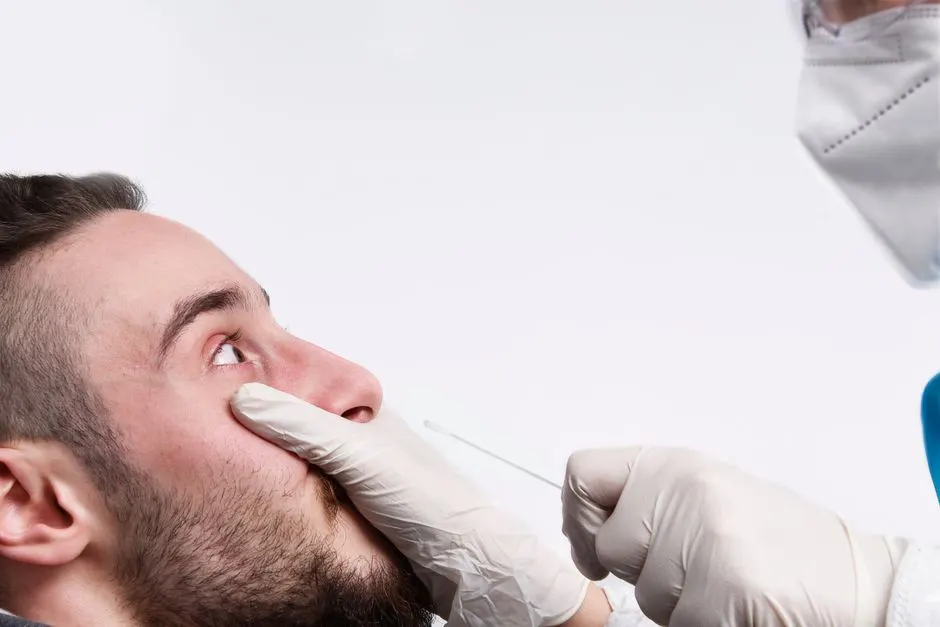
Healthcare worker giving a nasal swab test to a man on a white background.
Licensed Licensed & Bonded
Fully Insured Insured & Bonded
24/7 Emergency Same-Day Response
Warranty Backed Workmanship Guaranteed in Salt Lake City

What Salt Lake City Mold Testing Includes

A standard visit covers a focused discussion, visual inspection of the reported area, moisture checks where appropriate, and a sampling plan tied to the concern. We label and document collected samples, arrange laboratory analysis, and review the findings with you. Additional rooms, invasive access, specialized testing, or post-remediation verification require a broader plan when the building conditions call for it.

Concern-Focused Inspection

We inspect the reported area and nearby materials for visible growth, staining, water damage, condensation, or odor patterns. The review follows your concern through the relevant rooms rather than assuming a single stain represents the whole property. You can show us previous leaks and repairs during the visit.

Moisture Checks

We take readings on suspect materials and record where conditions appear damp or unusual. Those observations help distinguish a current moisture problem from an old stain and guide any sample locations. A reading is interpreted in context with the material, room conditions, and nearby surfaces.

Targeted Sample Collection

When sampling is appropriate, we select air, surface, or bulk methods based on the question at hand. Each specimen is labeled with its collection location and handled using suitable materials. Sample count depends on the affected area and the comparison needed for a useful interpretation.

Laboratory Result Review

We provide a review of the laboratory findings tied to the documented sample locations. We explain what was detected, what the result does not prove, and whether the evidence supports more investigation or moisture correction. You can use the explanation to plan repairs or discuss a remediation project.

Mold Testing Salt Lake City UT: What It Shows


Mold Testing Salt Lake City UT is an indoor environmental assessment that uses inspection, moisture measurements, and targeted sampling to evaluate suspected mold conditions. We look for visible indoor mold growth, water intrusion, damp building materials, and signs of hidden moisture before choosing an air, surface, or bulk sample. A Moisture meter helps compare readings across materials, while a Thermal imaging camera can flag temperature patterns that deserve closer inspection. Laboratory results identify the types of spores or growth detected; they do not, by themselves, establish a health diagnosis or prove that every area is mold-free.

Salt Lake City mold testing is useful after a plumbing leak, roof intrusion, basement seepage, or persistent musty odor, especially when the source is not visible. Cold-season condensation around windows and attic ventilation problems can leave damp surfaces even when a room looks clean. We investigate the building conditions alongside samples, then explain what findings mean for your property. If you are searching for affordable mold testing in Salt Lake City, a focused plan based on the suspected area can avoid unnecessary sampling while still answering the question that brought you to us.

How the Testing Visit Works

Mold testing in Salt Lake City, Utah follows a deliberate sequence: understand the concern, inspect the building, select justified samples, and explain the results. Most site visits take about 1 to 3 hours, depending on access, the number of rooms, and whether concealed areas need closer examination.

01

Schedule

Call or book online — a real human picks up and confirms a 2-hour arrival window.

02

Diagnose

Licensed tech inspects on-site, then walks you through the cause and your options.

03

Fix

The job is completed to code and done right the first time — no shortcuts, no surprises.

04

Guarantee

Every job backed by a written workmanship warranty — and we stand behind it.

Tools and Testing Methods

Tools & Equipment

Moisture meter

Measures moisture in suspect building materials so we can compare affected areas with nearby surfaces. Readings help direct inspection; they are interpreted in context and do not identify mold by themselves.

FLIR Thermal imaging camera

Shows temperature patterns that may reveal areas needing closer moisture investigation. We verify suspicious patterns with direct inspection or moisture readings because thermal images alone do not confirm water or mold.

Zefon Air-o-Cell cassette

Collects airborne particles during a defined sampling period for laboratory examination. We choose placement and duration to match the investigation question and document the sample location.

Surface sampling swab

Collects material from a specific surface where visible growth or residue is present. The sample describes that location only, so we pair it with observations of the wider room and moisture conditions.

Data-logging hygrometer

Records humidity conditions over time when a short visit cannot show how a room changes. Its readings can help assess recurring condensation concerns and interpret building conditions alongside the inspection.

Methods & Standards

Targeted visual and moisture assessment

We start with the reported concern and inspect the affected area, adjacent materials, and likely moisture pathways. Readings and observations guide sampling decisions. This keeps the assessment grounded in building conditions instead of treating a laboratory result as a substitute for finding and correcting water intrusion.

Air sampling with reference context

Air samples are collected at selected locations using appropriate cassettes and equipment, then submitted for analysis. Where useful, a comparison sample helps place indoor findings in context. We record conditions and locations because airborne counts can vary with activity, ventilation, and the time of collection.

Surface or material sampling

A swab, tape lift, or bulk material specimen is chosen when the question concerns a particular visible surface or building component. We label and document the collection point, then connect the laboratory report to that exact location. This method does not characterize every room or hidden cavity.

Guidance-based interpretation

We interpret results with inspection observations and established EPA guidance for mold and moisture in buildings. When remediation is involved, the IICRC S520 mold remediation standard provides relevant industry context. We focus on controlling moisture and addressing affected materials rather than treating a single laboratory number as a universal safety threshold.

When to Arrange Mold Testing

01

A Sugar House homeowner notices a musty odor after a basement pipe leak was repaired.

What we do: We inspect the leak area and adjacent materials, take moisture readings, and ask how long the materials stayed wet. If evidence supports sampling, we select a method suited to the specific concern. The lab results are reviewed alongside the building observations rather than used as a stand-alone verdict.

→ You learn which areas show moisture evidence, what the sample detected, and whether further inspection or drying work is the sensible next step.

02

A Downtown Salt Lake City tenant reports a recurring ceiling stain after roof repairs.

What we do: We examine the ceiling and accessible nearby surfaces, document the stain and moisture readings, and identify whether the pattern points to continued intrusion. Targeted sampling can help characterize material at the affected area. We explain what the findings mean for the unit and what should be rechecked after repairs.

→ You receive a documented view of the affected space that can help coordinate communication among the tenant, owner, and repair contractor.

03

A buyer in The Avenues sees attic discoloration during a pre-purchase walk-through.

What we do: We assess accessible attic materials for visible growth, staining, and moisture conditions, then discuss whether samples would clarify the concern. We note possible roof or ventilation factors and keep conclusions limited to what the inspection and tests establish. The buyer can use the findings to plan a focused follow-up.

→ You get evidence tied to the attic condition, helping you ask informed questions and understand whether additional evaluation is warranted.

04

A property manager needs to check a work area after mold cleanup in Rose Park.

What we do: We inspect the cleaned area for visible residue and moisture concerns, then collect appropriate clearance samples if the project criteria call for them. We document locations and explain results in relation to the work area. If moisture remains, we identify that as a separate condition requiring attention.

→ You have a clear record of what was checked and whether the tested area supports the next step in returning the space to use.

How Mold Testing Works in Salt Lake City

Salt Lake City mold testing reflects the building and the season. As colder weather arrives in November, indoor-outdoor temperature differences can contribute to condensation on windows, exterior walls, and poorly ventilated attic surfaces. Winter roof leaks, plumbing failures, and basement seepage also leave materials damp where a quick visual check may miss the source. We inspect for water intrusion and damp building materials, then choose samples based on what the property shows. Older homes in Capitol Hill and The Avenues may have layered renovations or limited access to wall cavities; newer additions and finished basements bring different moisture paths. We do not infer a cause from the neighborhood or age alone. For mold sample testing Salt Lake City UT customers receive, sample locations, room conditions, and collection methods are recorded so the laboratory report stays tied to the site. If you are wondering how to schedule mold testing in Salt Lake City, call with the affected room, recent water history, and access details. We serve Salt Lake County, including addresses in ZIP codes 84112, 84113, and 84114, and explain the visit before collecting samples.

Neighborhoods We Serve

  • The Avenues

    Older homes and remodeled interiors can have concealed plumbing or roof-leak paths. We focus inspection on the reported room and accessible adjacent materials before recommending any sampling.

  • Sugar House

    Basements, additions, and utility areas can hold damp materials after a leak. Moisture mapping helps show whether the concern is limited to one area or extends along a wall or floor.

  • Downtown Salt Lake City

    Apartments and commercial spaces often require careful coordination around occupied rooms. We document each sample location so findings remain clear when multiple parties are involved.

  • Rose Park

    A roof or plumbing event can leave staining that persists after visible water is gone. We check current moisture conditions before interpreting a surface sample or recommending further investigation.

Local Conditions We Plan For

  • Winter condensation forms on cold windows and exterior surfaces.

    Repeated moisture on glass, trim, or nearby walls can support localized growth. We assess the affected material and room conditions, then distinguish condensation patterns from evidence of a separate leak.

  • Basement seepage or plumbing leaks dampen lower-level materials.

    Water can travel behind finishes or under flooring before a stain becomes obvious. Moisture readings and a focused inspection help identify where further access or sampling could provide useful evidence.

  • Attic moisture follows roof leaks or limited ventilation.

    Staining and damp insulation can reflect different causes, including intrusion or condensation. We inspect accessible surfaces and relate any sample results to the roof and ventilation observations.

Basement Leak, Clearer Scope

Before

A homeowner had repaired a pipe leak, but a musty odor remained in a finished basement. The floor looked dry, and there was no obvious surface growth. Without measurements, the owner could not tell whether dampness remained behind the baseboard or whether the smell had another source.

After

We checked 4 suspect locations and found one area with elevated moisture compared with adjacent material. A targeted sample was collected from the concern area, and the report connected the result to its location. The owner had a specific area to open and dry instead of removing finishes throughout the room.

Maintenance: Keep the repaired pipe accessible, check the area after heavy water use, and maintain indoor humidity near 30% to 50% when practical. Recheck the baseboard if the odor returns.

Before

A Salt Lake City owner noticed dark staining on attic sheathing after a winter roof leak. The roofer had repaired the suspected entry point, but the owner could not tell whether the material was still damp or whether ventilation was contributing to condensation.

After

We inspected the accessible attic, took moisture readings at 3 points, and documented the stain and nearby materials. The findings separated a dry, older mark from a location needing follow-up. The owner could direct attention to the relevant roof and ventilation details rather than treating the entire attic as affected.

Maintenance: After roof work, check the attic after the next substantial snowfall or rain event. Keep vents clear and address any new dampness promptly rather than painting over the stain.

Before

A rental unit had been cleaned after visible growth near a bathroom leak. The repair was complete, but the property manager wanted documentation that the tested area was dry and that no obvious residue remained before returning the room to normal use.

After

We inspected the work area, checked 2 nearby material locations, and collected a clearance sample suited to the project question. The report recorded the tested locations and laboratory findings. The manager had a clear follow-up record and could address one remaining moisture concern separately.

Maintenance: Keep the bathroom exhaust fan working and run it during bathing and for about 20 minutes afterward. Inspect the repaired area monthly for the first 3 months for new staining or dampness.

Solve Mold Testing Concerns in Salt Lake City

A stain, odor, or air concern is a clue, not a diagnosis. We use a focused inspection and appropriate sampling to help Salt Lake City customers identify what evidence is present and what building condition needs attention. That is especially useful when the visible area does not explain the source.

Problem

A musty basement odor persists after a small plumbing leak.

The odor can remain while damp materials or concealed moisture go unnoticed, allowing damage to continue and making it difficult to identify the affected area.

Our Fix

We inspect the basement and nearby materials, record moisture conditions, and select samples only where they help answer the question. If readings point to a wet wall or floor edge, we explain what needs further inspection and how the laboratory findings relate to that location.

Problem

Visible mold returns around a window during cold weather.

Recurring condensation can keep the surface damp, while repainting alone hides the appearance without correcting the moisture pattern that supports repeated growth.

Our Fix

We examine the window area, surrounding materials, and room conditions to distinguish a surface moisture pattern from a hidden leak. Sampling can identify material collected from the affected surface, while moisture observations help you address the condition that is feeding the recurrence.

Problem

A repaired roof leak leaves attic staining and uncertainty.

Staining may remain after materials dry, but damp insulation or concealed roof materials can still need attention if the leak path was not fully resolved.

Our Fix

We assess accessible attic areas for moisture evidence, ventilation-related condensation, and visible growth. If testing is warranted, we document sample locations and review results alongside the roof and material observations, so you can coordinate any needed repair or remediation.

Problem

Post-cleanup questions remain about a treated room.

Without a documented check, an owner may not know whether visible residue remains, moisture has returned, or the original concern was addressed in the work area.

Our Fix

We review the work area, check relevant materials for moisture, and collect clearance samples when suitable. The report connects the findings to the sampled locations and observed conditions, helping you decide whether the area is ready for normal use or needs follow-up.

Practical Answers, Better Decisions

Practical Answers, Better Decisions

Mold sampling services Salt Lake City residents use should answer a specific building question, not produce a stack of unexplained lab pages. We pair observations and moisture readings with suitable samples, then make the findings understandable so you can decide whether to repair a leak, investigate further, or verify completed cleanup.

  • Pinpoint Suspected Areas

    We follow moisture evidence, odor patterns, and visible staining to choose sample locations with a reason behind each one. A targeted indoor mold test Salt Lake City assessment can distinguish a concern in one room from a wider building issue, helping you avoid treating every surface as if it had the same condition.

  • Understand Lab Findings

    We explain what the laboratory detected, where the sample came from, and how that result fits the inspection. You get context rather than a species name without explanation. Results help direct the next step, but moisture control and removal of affected material remain central to resolving mold growth.

  • Document Building Conditions

    A written record connects sample locations with moisture observations, room conditions, and the reason testing was requested. That detail is useful when you are coordinating with a property manager, contractor, buyer, or remediation provider. Photos and sample identifiers help everyone discuss the same areas accurately.

  • Check Cleanup Results

    After remediation, we can evaluate the work area and collect clearance samples when appropriate. The comparison focuses on visible cleanliness, moisture control, and relevant air or surface findings-not a promise that all mold spores have disappeared. You receive a clear account of what was checked and what remains.

Standards and Credentials

Licensed & Certified

  • Council-certified Microbial Investigator (CMI) — issued by American Council for Accredited Certification
  • Council-certified Indoor Environmental Consultant (CIEC) — issued by American Council for Accredited Certification
  • Council-certified Indoor Environmentalist (CIE) — issued by American Council for Accredited Certification
  • AIHA Laboratory Accreditation Programs — issued by American Industrial Hygiene Association Laboratory Accreditation Programs

Verified Reviews

Google ★★★★★4.9

A homeowner in Salt Lake City described a clear inspection after finding a musty smell near a basement wall. The review noted moisture readings, targeted sampling, and a useful explanation of the laboratory report, with next steps tied to the exact area checked.

Yelp ★★★★★4.8

A property manager in Downtown Salt Lake City appreciated the organized sample locations and straightforward discussion after a ceiling leak. The review highlighted documentation that helped coordinate follow-up with the repair contractor.

Google ★★★★★4.9

A buyer from The Avenues said the attic assessment clarified what a stain could and could not show. The reviewer valued having moisture observations and laboratory findings explained together before deciding what to address.

Field Knowledge and Careful Sampling

Our local experience comes from assessing homes, rentals, and commercial spaces where the visible stain is not always the source of the moisture. We look at building materials, ventilation, plumbing history, and room conditions before selecting samples. Training and recognized credentials matter because sampling technique affects what a laboratory can reliably report. We use careful documentation, appropriate protective practices, and established guidance for mold and moisture in buildings. Our findings are written for owners and occupants, not just technical readers, so you can connect the evidence to repairs and follow-up.

  • Sampling plans are tied to the concern, with locations and sample types recorded before specimens are sent for analysis.
  • A Council-certified Microbial Investigator credential reflects specialized training in microbial investigation and building assessment.
  • We distinguish moisture evidence from laboratory identification; a positive sample alone does not locate or correct a water source.
  • Chain-of-custody forms and clear sample labels keep each specimen connected to its room and collection method.
  • We apply EPA guidance for mold and moisture in buildings and consider the IICRC S520 mold remediation standard when discussing remediation context.
Get Started Today
Field Knowledge and Careful Sampling

Mold Testing Questions, Answered

Real answers to the questions we hear most often from local homeowners and property managers.

How much does mold testing cost in Salt Lake City?
Typical 2026 pricing ranges from $250 to $850, depending on inspection size, sample count, and laboratory analysis. A focused residential visit with a few samples costs less than a multi-room assessment or commercial investigation. We explain the price before work begins and base the plan on your concern rather than adding samples without a reason. If you have a leak history, photos, or a specific room in mind, sharing those details helps us identify the likely scope.
Where can I get mold sampling near me in Salt Lake City?
Salt Lake Mold Testing provides local mold sampling services across Salt Lake City, including Downtown, Capitol Hill, Sugar House, and Rose Park. We inspect the concern first, then select air, surface, or material samples that answer a defined question. Call +18668968166 to describe the room, odor, or water event. For a suspected hidden source, mention whether the wall, ceiling, or floor is accessible so we can plan an appropriate inspection.
How long does mold test analysis take?
Laboratory analysis commonly takes 1 to 3 business days after the lab receives the samples. The site visit itself often takes 1 to 3 hours for a typical home concern, while larger buildings require more time. Timing depends on the test type and laboratory workload. We explain how you will receive the findings and review what the results mean for the sampled locations, moisture conditions, and any next steps.
When should I arrange professional mold testing?
Arrange testing when visible growth, a persistent musty odor, unexplained dampness, or a post-remediation question needs evidence. It is also useful after a leak when materials remain wet or hidden mold behind walls is suspected. Testing is most informative after the moisture source is controlled; otherwise, active water intrusion can keep changing conditions. If you are unsure, describe the problem and timing, and we can help determine whether sampling is the right next step.

Related Mold Services

Mold Inspection

Mold inspection adds a structured visual and moisture-focused review to testing. We examine suspect rooms, note building conditions, and use those observations to guide sample selection. For Salt Lake City customers, this is useful when a stain or odor needs investigation before deciding whether laboratory testing will answer the question.

View Mold Inspection

Indoor Air Quality Testing

Indoor air quality testing looks beyond a single visible spot when airborne concerns, odors, or occupant questions involve a larger area. We select appropriate measurements or samples based on the concern and explain what each result can establish. It can complement Mold Testing Salt Lake City UT when multiple rooms need evaluation.

View Indoor Air Quality Testing

Mold Assessment and Written Reports

A mold assessment and written report connects inspection observations, moisture readings, sample locations, and laboratory findings. Salt Lake City owners can use the report to coordinate repairs, communicate with a property manager, or document post-remediation conditions. We write findings in clear language and identify practical next steps.

View Mold Assessment and Written Reports

Residential Mold Inspection

Residential mold inspection focuses on the rooms and materials that affect your household, including basements, bathrooms, attics, and areas near plumbing. We look for moisture patterns before recommending samples. The inspection helps Salt Lake City homeowners understand whether a concern is isolated or needs broader testing.

View Residential Mold Inspection

Commercial Mold Inspection

Commercial mold inspection considers larger floor plans, occupied work areas, mechanical spaces, and access requirements. We document the concern and select locations that reflect how the space is used. Businesses in Salt Lake City receive findings that help organize follow-up without treating every room as identical.

View Commercial Mold Inspection

Pre-Purchase Mold Inspection

Pre-purchase mold inspection evaluates visible moisture concerns before a property transaction, especially around basements, bathrooms, roofs, and prior repairs. If findings justify it, targeted samples can add laboratory evidence. Buyers in Salt Lake City get a clearer picture of observed conditions before planning repairs or requesting further review.

View Pre-Purchase Mold Inspection

Schedule Mold Testing Salt Lake City UT

Tell us what you found, where it is, and whether there has been a leak or cleanup. We will help you choose a focused inspection and sampling plan, then explain the results in plain terms. Call Salt Lake Mold Testing at +18668968166 to get started.

Call Our Team Schedule Testing

Contact Salt Lake Mold Testing

Salt Lake City homeowners and property managers can call +1 866-896-8166 to discuss a leak, odor, stain, or post-remediation concern. Our phone line is open Monday through Friday, 8:00 a.m. to 6:00 p.m.; tell us which rooms are affected and when the water event occurred. We will help you identify the inspection or testing service that fits.

Or call us right now at +18668968166 — we answer.

Salt Lake Mold Testing


  • Phone

    +18668968166
  • Address

    Salt Lake City, Utah

  • Hours

    Mon–Fri: 7AM – 7PM
    Sat: 8AM – 4PM
    Sun: Emergency Only
    24/7 Emergency Available

Call +18668968166 Get Quote
Call Quote