Logo
Get Estimate

Pre-Purchase Mold Inspection Salt Lake City UT

Know what is behind the walls before you buy


Pre-Purchase Mold Inspection Salt Lake City UT gives you a focused look at visible growth, moisture clues, and areas where mold may be concealed before you commit to a property. We inspect for homebuyers, review accessible spaces, and explain what findings mean for your purchase timeline. A homebuyer mold inspection Salt Lake City UT can help you raise specific questions with the seller while inspection contingencies and closing dates are still in play.

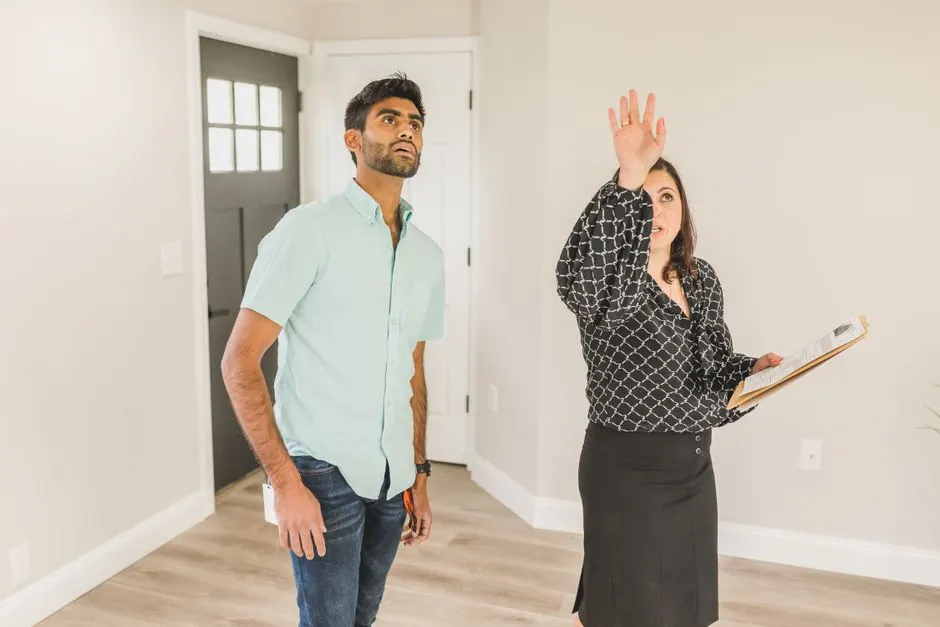
A real estate agent shows a house to a client, discussing the property details.
Licensed Licensed & Bonded
Fully Insured Insured & Bonded
24/7 Emergency Same-Day Response
Warranty Backed Workmanship Guaranteed in Salt Lake City

What Your Purchase Inspection Includes

Your inspection includes a visual review of accessible areas, moisture checks where conditions warrant them, documentation of suspect findings, and a clear explanation of next steps. We focus on the property and concerns you identify. Laboratory sampling is an additional step when it answers a specific question; we explain the purpose and collection location before taking a sample.

Property concern review

We ask about visible staining, musty odors, known leaks, repairs, and the areas you want prioritized. That history helps us focus the walkthrough on practical purchase concerns, including a patched ceiling, basement wall, or plumbing cabinet that may otherwise be overlooked.

Accessible area walkthrough

We inspect accessible rooms and relevant areas such as bathrooms, kitchens, utility spaces, basements, and attics. We document visible growth, water staining, damp materials, and access restrictions. We do not treat an inaccessible cavity as inspected; the report clearly identifies the areas we could and could not evaluate.

Moisture observations

We use a moisture meter to check suspect materials and compare readings with nearby areas when useful. These measurements help identify dampness patterns but do not independently confirm mold. We note locations and conditions so you can understand why a particular area needs repair, monitoring, or further evaluation.

Targeted sampling option

If laboratory analysis would help answer a defined question, we discuss an air or surface sample and collect it from a documented location. Samples are not automatically included in every visual inspection. We explain what the result can establish and how it relates to the visible and moisture findings.

Findings and next steps

We explain observations in plain language and identify practical next steps for each concern. Your findings connect to specific rooms or materials rather than broad statements about the entire property, helping you discuss repairs, access, or follow-up with the people involved in your purchase.

Pre-Purchase Mold Inspection Salt Lake City UT


Pre-Purchase Mold Inspection Salt Lake City UT is a property condition assessment that checks for visible mold, moisture sources, and conditions that can support growth before a home purchase. We examine accessible rooms, basements, crawl spaces, attics, plumbing areas, and HVAC components, then use a moisture meter and visual evidence to guide further investigation. If sampling is warranted, we collect targeted air or surface samples and document the locations. The goal is practical: identify concerns, distinguish a moisture issue from a confirmed mold finding, and give you usable information before closing.

Salt Lake City homes range from older brick houses to newer construction, and each presents different inspection clues. Winter inversions keep homes closed up, while snowmelt, roof leaks, plumbing failures, and summer irrigation can leave damp building materials behind. If you are arranging a mold inspection before buying a house in Salt Lake City, we focus on evidence rather than assumptions: staining, odor, elevated moisture, and conditions around foundations or rooflines. We explain which findings need prompt attention and which areas deserve follow-up.

What Happens During Inspection

Salt Lake City pre-purchase mold inspection follows a clear sequence: establish the property history, inspect accessible areas, document moisture clues, and explain findings. We coordinate access with you or your agent, keep the inspection focused on purchase-related concerns, and tell you when optional sampling adds useful information.

01

Schedule

Call or book online — a real human picks up and confirms a 2-hour arrival window.

02

Diagnose

Licensed tech inspects on-site, then walks you through the cause and your options.

03

Fix

The job is completed to code and done right the first time — no shortcuts, no surprises.

04

Guarantee

Every job backed by a written workmanship warranty — and we stand behind it.

Tools and Inspection Methods

Tools & Equipment

Moisture meter

We check suspect building materials and compare them with nearby areas to identify moisture patterns. A reading supports the inspection; it does not identify mold on its own.

FLIR thermal imaging camera

We use temperature patterns to help target areas for closer moisture checks. The image is a screening clue, not proof of water or mold, so we confirm observations with other methods.

HEPA air sampling pump

When airborne sampling is appropriate, the pump draws a measured air volume through a Spore trap cassette. We document the room and collection conditions for interpretation.

Surface sampling swab

A swab collects material from a selected suspect surface for laboratory analysis. We record the exact location and explain that results apply to that sample, not every surface in the home.

Data-logging hygrometer

This instrument records humidity conditions over time when a short reading cannot explain a moisture concern. Context helps assess ventilation and condensation clues in the inspected area.

Methods & Standards

Visual moisture-pathway inspection

We follow visible clues from the affected surface toward likely sources such as plumbing, exterior openings, roof transitions, or foundation edges. We record what is accessible and identify concealed areas separately. This method keeps the inspection tied to the property's actual conditions rather than assumptions based on color or odor alone.

EPA moisture guidance

We use EPA guidance for mold and moisture in buildings to frame practical observations: find the moisture source, assess affected materials, and identify needed corrective action. The guidance informs the inspection conversation; it does not replace building-specific evaluation or laboratory analysis when sampling is appropriate.

Targeted sample collection

We collect samples only when they address a defined inspection question, such as whether suspect surface material contains mold or what particles are present in a selected air sample. Each sample is associated with a documented location and collection method. Results are interpreted alongside moisture and visual findings, not in isolation.

IICRC S520-informed terminology

The IICRC S520 mold remediation standard provides a reference for discussing remediation concepts and affected materials. A pre-purchase inspection is not remediation, and we do not claim that an inspection alone establishes a complete cleanup protocol. We use clear terminology so buyers can understand when a specialist follow-up is warranted.

When Buyers Should Book

01

A home tour reveals a musty basement odor in an older Capitol Hill property.

What we do: We inspect accessible basement surfaces, utility and plumbing areas, and foundation edges for water intrusion, damp materials, and visible growth. We use a moisture meter to compare suspect areas and document the location of each concern. If a sample would answer a specific question, we explain the option before collection.

→ You learn which areas show moisture evidence and what follow-up is practical before your contingency period ends.

02

A Sugar House seller reports a repaired roof leak but has no clear attic documentation.

What we do: We review the reported leak location, inspect accessible attic materials, and look for staining, visible growth, or dampness around the roofline. We note ventilation and access conditions without assuming that a past leak means current mold. Photos and observations help you request relevant repair records.

→ You receive a property-specific account of accessible attic conditions and any areas that still need attention.

03

A finished lower level in Rose Park has fresh paint and a history of water entry.

What we do: We examine accessible baseboards, corners, plumbing areas, and nearby surfaces for odor, staining, and moisture differences. If the suspected source is behind a finished wall, we explain that limitation and identify evidence that supports further evaluation. Targeted sampling is considered only when it adds useful information.

→ You can weigh the visible evidence and access limits before deciding whether to request further investigation.

04

A buyer is purchasing a Central City home with documented bathroom plumbing repairs.

What we do: We inspect the repaired cabinet, adjacent wall and floor, and accessible areas below or beside the plumbing. We check whether nearby materials show moisture clues and document any suspect surface. If sampling is useful, we label the sample by location and relate the result to the repair area.

→ You get a focused review of the repaired zone rather than a broad, unsupported conclusion about the entire home.

How Inspections Work in Salt Lake City

Pre-purchase mold inspection in Salt Lake City, Utah, accounts for the city's varied housing stock and seasonal moisture patterns. Older homes near Capitol Hill and The Avenues may have finished basements, masonry walls, older plumbing, or attic ventilation details that require careful observation. Newer homes still need attention around roof penetrations, bathrooms, windows, and HVAC equipment. As colder weather arrives in November, closed windows and indoor heating can make condensation clues more noticeable; spring snowmelt and summer irrigation can expose foundation or lower-level moisture issues. We check accessible areas and distinguish a cold surface or temperature pattern from confirmed dampness. A mold inspection before buying a house in Salt Lake City also needs to fit the buyer's inspection window, so tell us about the deadline when you call. We serve Salt Lake County and inspect properties across central neighborhoods and surrounding residential areas. Findings are tied to the specific building, not generalized from its age or neighborhood.

Neighborhoods We Serve

  • The Avenues

    Older houses and varied rooflines make attic access, roof leak history, and basement moisture useful points to review during a purchase inspection.

  • Sugar House

    Finished lower levels and landscaping near foundations can make prior water entry or damp materials important to check before closing.

  • Capitol Hill

    Older construction may include remodeled rooms and concealed plumbing routes, so we document access limits and follow visible moisture clues carefully.

  • Rose Park

    We focus on the property's own history, checking accessible basement, roof, and plumbing areas rather than assuming conditions from the neighborhood.

Local Conditions We Plan For

  • Winter heating and closed windows increase indoor condensation clues

    Cold exterior surfaces and limited ventilation can contribute to condensation around windows or exterior walls. We check for actual dampness and material changes, distinguishing a temperature pattern from confirmed moisture or mold.

  • Spring snowmelt can reveal foundation and lower-level water entry

    Water may enter at foundation edges, window wells, or below-grade transitions as snowmelt reaches the property. We inspect accessible surfaces for staining, dampness, and musty odor, then note locations that need repair or monitoring.

  • Roof leaks and attic ventilation issues can leave concealed clues

    A past roof leak may leave staining or damp roof materials even after a repair, while condensation can affect attic surfaces. We inspect accessible areas and relate observations to the reported leak history.

Basement Odor Before Closing

Before

A buyer noticed a musty odor in a finished basement but could not locate a visible leak. The showing had lasted less than an hour, and stored items blocked part of one wall. With closing approaching, the buyer needed to know whether the odor aligned with moisture clues or an obvious source.

After

We checked accessible basement surfaces and the utility area, then recorded moisture readings at the suspect wall and a nearby comparison point. The report identified the exact area with elevated readings and noted the blocked section as inaccessible. The buyer had a clear basis for requesting access and repair details.

Maintenance: After purchase, keep stored items several inches from basement walls and inspect the area after heavy rain or snowmelt. If odor returns or materials feel damp, address the water source promptly and arrange a targeted follow-up.

Before

A seller disclosed a previous roof repair, but the buyer had no clear record of the leak location or attic condition. A ceiling patch below the roofline raised concern, while the attic access was small and some framing could not be reached safely.

After

We inspected accessible attic materials around the reported area and documented visible staining, surface conditions, and access limits. The buyer received photographs and a concise list of questions for the seller about the repair. The assessment did not label inaccessible materials as clear or affected.

Maintenance: Keep roof repair records with property documents and look over accessible attic areas after significant storms. Have roof concerns addressed by the appropriate trade, then check nearby materials for new staining or dampness.

Before

A condo buyer learned that a bathroom supply line had leaked and been repaired. The cabinet interior looked dry, but the buyer wanted to know whether nearby materials showed current moisture or visible suspect growth before accepting the unit.

After

We inspected the cabinet, adjacent floor, and accessible wall surfaces, documenting the repair area and comparison readings. A targeted surface sample was collected from a specific suspect spot for lab analysis. The buyer could distinguish the visual observation from the laboratory result and discuss both with the seller.

Maintenance: Check under the sink periodically for drips, swelling, or fresh staining, especially after plumbing work. Keep the cabinet accessible and have leaks repaired promptly so water does not remain against concealed materials.

Catch Purchase-Blocking Moisture Problems

A quick showing cannot reveal every water history or concealed moisture clue. If you are considering a mold check for a home purchase near Sugar House, we look beyond the obvious stain and connect odors, surface conditions, and accessible building areas. Our goal is to give you facts you can act on before closing.

Problem

A persistent musty odor with no visible source

An unexplained odor can point to damp materials behind finishes or in a basement, leaving you unsure whether the issue is active, limited, or tied to an old event.

Our Fix

We trace the odor through accessible rooms and inspect likely moisture sources, including plumbing areas, lower-level walls, and HVAC components. We record visible conditions and readings, then recommend focused sampling or further access only when evidence supports it. You receive a clear explanation of what was checked and what remains concealed.

Problem

Fresh paint conceals an old leak mark

A repaired surface can hide the original extent of water intrusion, making it difficult to understand whether the building material dried or whether moisture remains behind the finish.

Our Fix

We look for surrounding clues such as changed textures, adjacent staining, odor, and moisture patterns. A moisture meter helps compare the suspect area with nearby materials, while thermal imaging can guide additional checks. We document evidence and limitations so you can request relevant repair history or access.

Problem

Basement or crawl space materials feel damp

Unresolved lower-level moisture can affect stored belongings, finished surfaces, and indoor conditions; it may also signal water entry that needs attention before ownership transfers.

Our Fix

We inspect accessible foundation edges, framing, plumbing, and stored-area boundaries for dampness, visible growth, and water pathways. Where appropriate, we map readings across multiple points rather than relying on one spot. You get specific locations and next steps to discuss before committing to the property.

Problem

Prior remediation has no clear completion evidence

Without documentation or a check of the treated area, a buyer cannot tell whether visible material was removed, moisture was addressed, or the original problem could return.

Our Fix

We review available information, inspect accessible treated areas, and look for remaining moisture or visible concerns. If the transaction requires more evidence, we discuss appropriate clearance testing. Findings distinguish what the current inspection observes from what prior work records claim.

Make Your Purchase Decision Clearer

Make Your Purchase Decision Clearer

A focused inspection turns a vague musty smell or suspicious stain into documented observations you can use. We connect moisture readings to actual building locations, explain sampling results in plain language, and help you separate an active concern from an old, dry mark. You leave with next steps tied to the property, not a generic checklist.

  • Find moisture early

    We check common failure points such as under-sink cabinets, basement corners, window wells, and roof penetrations. A moisture meter helps compare suspect materials with nearby dry areas, so you can see whether a 12-inch stain is isolated or part of a broader damp zone. That detail helps you discuss repairs before ownership changes.

  • Investigate hidden clues

    Persistent musty odors, bubbling paint, or a recently patched wall can point to a concealed moisture source. We use visual inspection and targeted tools to narrow the area without treating every discolored surface as mold. If access is limited, we explain what the evidence supports and what would require additional investigation.

  • Get usable findings

    You receive observations tied to rooms and surfaces, plus photographs and clear recommendations. If laboratory sampling is appropriate, we identify the sample location and explain what the result can and cannot establish. A documented report gives you specific items to discuss with your agent, seller, or other property professionals.

  • Protect the closing timeline

    A typical visual assessment takes about two to four hours, depending on size and access. Booking the inspection early in your contingency period leaves room to review findings and request follow-up. We prioritize areas with active leaks or elevated readings so urgent questions do not get buried in minor cosmetic notes.

Inspection Standards and Practice

Licensed & Certified

  • Council-certified Microbial Investigator — issued by American Council for Accredited Certification
  • Council-certified Indoor Environmental Consultant — issued by American Council for Accredited Certification
  • Council-certified Indoor Environmentalist — issued by American Council for Accredited Certification
  • AIHA Laboratory Accreditation Programs laboratory accreditation — issued by AIHA Laboratory Accreditation Programs

Verified Reviews

Customer feedback ★★★★★5.0

We needed a pre-purchase inspection in Salt Lake City before our contingency ended. The technician explained the basement readings and showed us where the dampness was concentrated. The report separated direct observations from areas that were blocked, which helped us ask the seller for access and repair information.

Customer feedback ★★★★★5.0

Our home in The Avenues had a prior roof leak and a patched ceiling. The inspector checked the accessible attic area, took photos, and explained the limits around the tight access. We left with specific questions about the repair instead of a broad guess about the whole house.

Customer feedback ★★★★★5.0

A musty smell in a Sugar House basement worried us before closing. The inspection included moisture checks and a clear explanation of what the readings meant. We appreciated that sampling was discussed as an option for a particular concern, not presented as an automatic answer for every room.

Inspection Knowledge That Matters

Our local experience is built around tracing moisture conditions in homes, not diagnosing a property from a photograph. We distinguish visible growth from water staining, note where access limits certainty, and use measurements in context. Our inspection approach follows EPA guidance for mold and moisture in buildings; sampling is selected for a defined question and handled with documented locations. We explain the difference between a visual observation and a laboratory result, so your decision is grounded in what the inspection can establish.

  • We assess visible growth, moisture pathways, odors, and building conditions as separate findings instead of treating every stain as confirmed mold.
  • A Council-certified Microbial Investigator credential supports technical inspection knowledge; we describe findings in direct, buyer-friendly language.
  • We document accessible areas and clearly identify concealed spaces that could not be inspected without opening finishes.
  • Sampling is targeted to the question at hand, with sample location and collection method recorded for meaningful interpretation.
  • Our reports connect observed conditions to practical next steps you can discuss during the purchase process.
Get Started Today
Inspection Knowledge That Matters

Pre-Purchase Mold Inspection FAQs

Real answers to the questions we hear most often from local homeowners and property managers.

How much does a pre-purchase mold inspection cost in Salt Lake City?
A visual pre-purchase inspection commonly costs $250-$600, with laboratory sampling adding about $75-$150 per sample. The final price depends on property size, access, and how many samples are useful; these are typical 2026 pricing ranges, not a quote for every home. We explain the price before booking. A smaller, accessible property with no sampling needs less inspection time than a large home with an attic, crawl space, or multiple moisture concerns.
Who offers homebuyer mold inspections near me?
Salt Lake Mold Testing provides homebuyer mold inspections across Salt Lake City and Salt Lake County. Call +18668968166 to arrange an appointment and tell us your closing timeline and the areas that concern you. If you searched for a pre-purchase mold inspection near me Salt Lake City UT, we can discuss the property's size, access, and whether sampling fits the question. Service coverage includes neighborhoods such as The Avenues, Sugar House, and Rose Park.
Should I get a mold inspection before buying a Salt Lake City home?
Yes, consider an inspection before closing if you notice musty odors, water staining, past leaks, visible growth, or damp basement materials. A mold inspection before buying a home Salt Lake City can clarify whether there is current moisture evidence and what deserves follow-up. It is especially useful when a home has a patched ceiling, finished basement, or documented water event. The inspection does not replace a general home inspection; it focuses on mold and moisture conditions.
How quickly can a mold inspector assess a property before closing?
An on-site assessment usually takes two to four hours, and scheduling depends on access and the transaction deadline. Lab analysis, if sampling is collected, takes additional processing time, so tell us your closing date when you call. We focus first on active leaks, damp materials, and suspect growth. If you need to schedule a pre-purchase mold inspection Salt Lake City UT, contact us as soon as the inspection period opens.

Related Inspection Services

Mold Inspection

A general mold inspection examines visible growth, moisture clues, odors, and accessible areas throughout your Salt Lake City property. It complements a purchase-focused assessment when you need a wider review of a home or want to investigate concerns that fall outside a specific transaction question.

View Mold Inspection

Mold Testing

Mold testing adds laboratory analysis to a physical inspection when a defined question needs sample evidence. We explain whether air, surface, or bulk sampling makes sense for your Salt Lake City purchase concern and connect each result to its collection location.

View Mold Testing

Indoor Air Quality Testing

Indoor air quality testing can help investigate airborne particles or persistent indoor odors in a home you are considering. We discuss the reason for testing first and select a method suited to the concern, rather than presenting one sample as a complete measure of overall air quality.

View Indoor Air Quality Testing

Mold Assessment and Written Reports

A written mold assessment organizes observations, moisture readings, photographs, and any laboratory findings into a usable record. For buyers in Salt Lake City, the report identifies the affected location and practical follow-up, making it easier to discuss a finding with the seller or agent.

View Mold Assessment and Written Reports

Residential Mold Inspection

Residential mold inspection covers homes, condos, and other living spaces, including accessible basements, attics, bathrooms, and utility areas. It is useful when your purchase involves more than one unit or when you want a broader review of moisture and visible growth.

View Residential Mold Inspection

Commercial Mold Inspection

Commercial mold inspection evaluates workplaces and other non-residential properties for moisture conditions and suspect growth. If you are purchasing a mixed-use building or investment property in Salt Lake City, we focus the assessment on accessible areas relevant to the transaction.

View Commercial Mold Inspection

Book Your Salt Lake City Buyer Inspection

Get clear, location-specific findings before your purchase deadline. Our technicians inspect accessible areas, document moisture clues, and explain what needs follow-up. Call Salt Lake Mold Testing at +18668968166 to arrange your inspection.

Call today Schedule Inspection

Contact Salt Lake Mold Testing

Salt Lake City homeowners and property managers can call +1 866-896-8166 to discuss a leak, odor, stain, or post-remediation concern. Our phone line is open Monday through Friday, 8:00 a.m. to 6:00 p.m.; tell us which rooms are affected and when the water event occurred. We will help you identify the inspection or testing service that fits.

Or call us right now at +18668968166 — we answer.

Salt Lake Mold Testing


  • Phone

    +18668968166
  • Address

    Salt Lake City, Utah

  • Hours

    Mon–Fri: 7AM – 7PM
    Sat: 8AM – 4PM
    Sun: Emergency Only
    24/7 Emergency Available

Call +18668968166 Get Quote
Call Quote