
Liberty Park
Liberty Park is a prominent public park within the Liberty Wells area and a practical orientation reference for nearby streets. We use your exact property address for routing and do not treat the park as a service location.
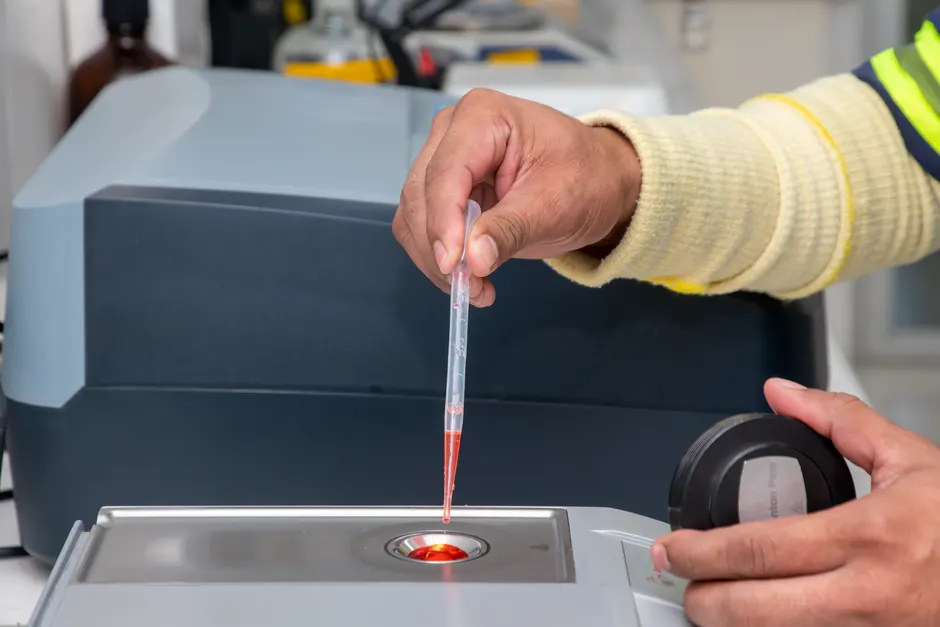
Mold Inspection and Testing in Liberty Wells is a property assessment service that traces moisture conditions, checks suspected growth, and uses targeted samples when testing is needed. You get a room-by-room inspection focused on the source of the concern, not just the visible spot. We serve the Liberty Wells Historic District, East Liberty Park, West Liberty Park, and the Ballpark edge, where building age, basement layouts, and past plumbing repairs call for careful investigation.
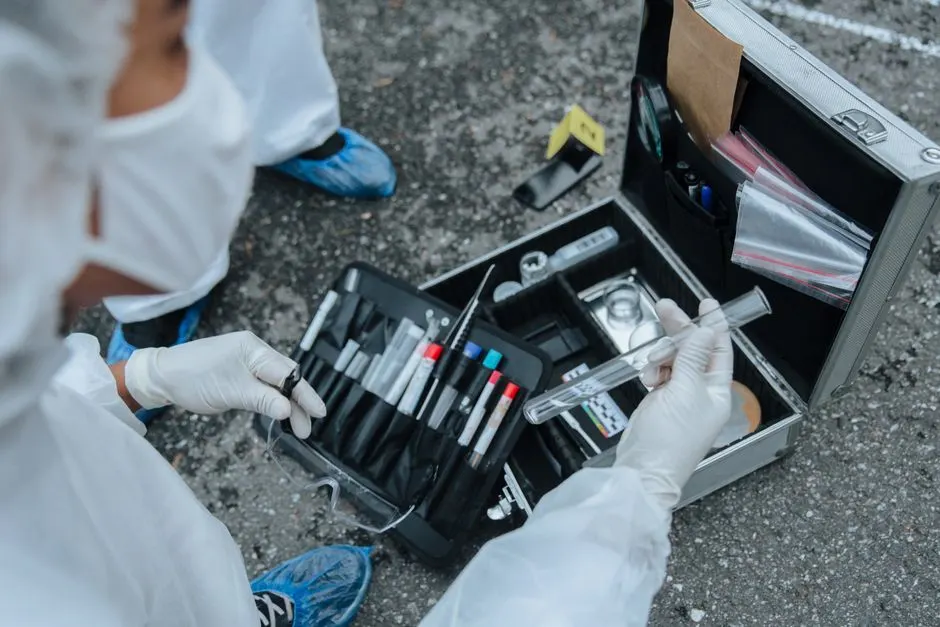
Our Mold Inspection and Testing Liberty Wells UT visits start with your history of leaks, odors, and repairs, then move to visual checks and moisture readings. A moisture meter helps compare damp and dry materials; a FLIR thermal imaging camera can flag temperature patterns that deserve closer inspection, but it does not identify mold on its own. If sampling answers a specific question, we explain the method and collect samples for laboratory analysis.
Salt Lake Mold Testing serves properties throughout Salt Lake County, including homes, rentals, and small commercial spaces. You receive clear findings, photographs where useful, and practical moisture-control recommendations. We distinguish evidence from assumptions, so you can decide whether to repair a leak, open a concealed area, or seek remediation.
Moisture concerns in Liberty Wells range from a single leak stain to persistent odors with no visible source. Our service starts by matching the inspection method to your building and question; testing is not automatic when visual and moisture evidence already explains the issue. If you're searching for Mold Inspection and Testing near me in Liberty Wells UT, we can inspect occupied homes, rental units, and commercial interiors, then explain findings in plain language. You can request focused sampling, a broader assessment, or a written report for a purchase or repair decision.
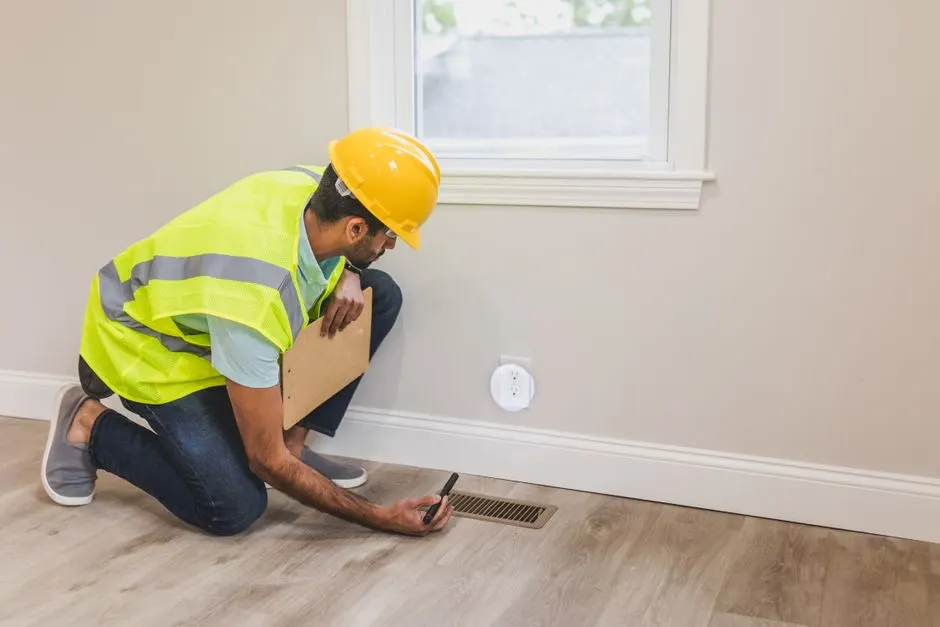

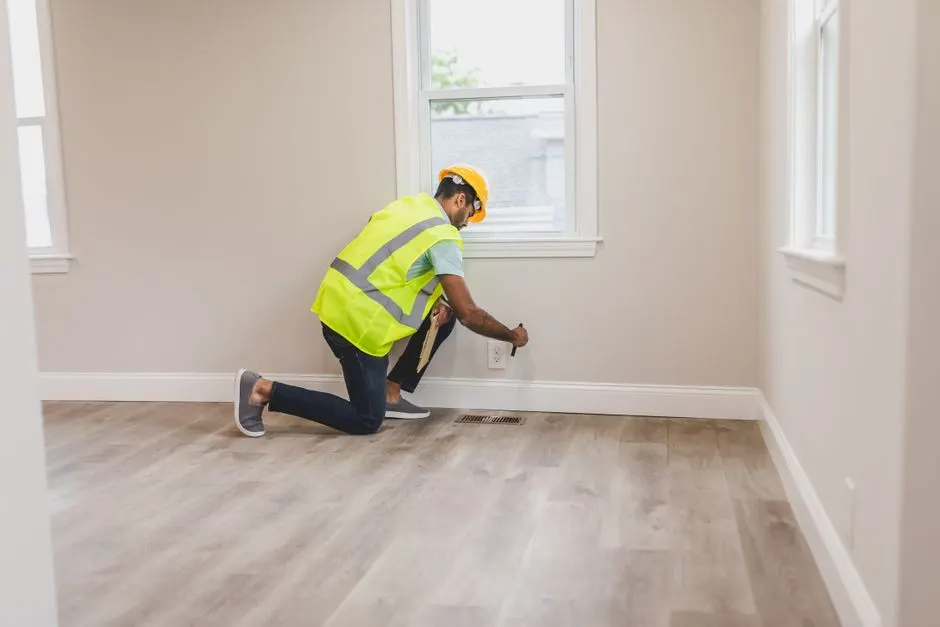
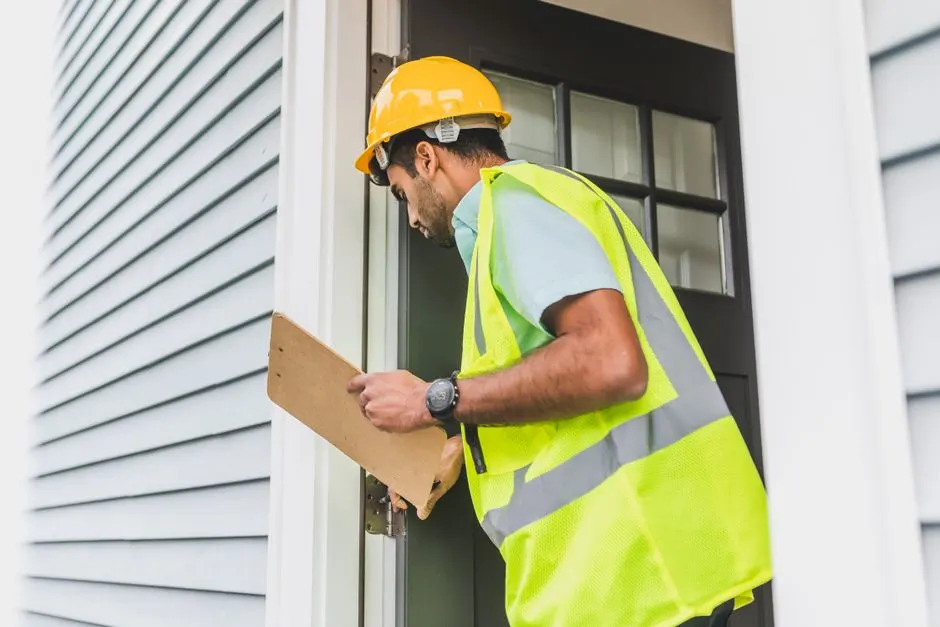
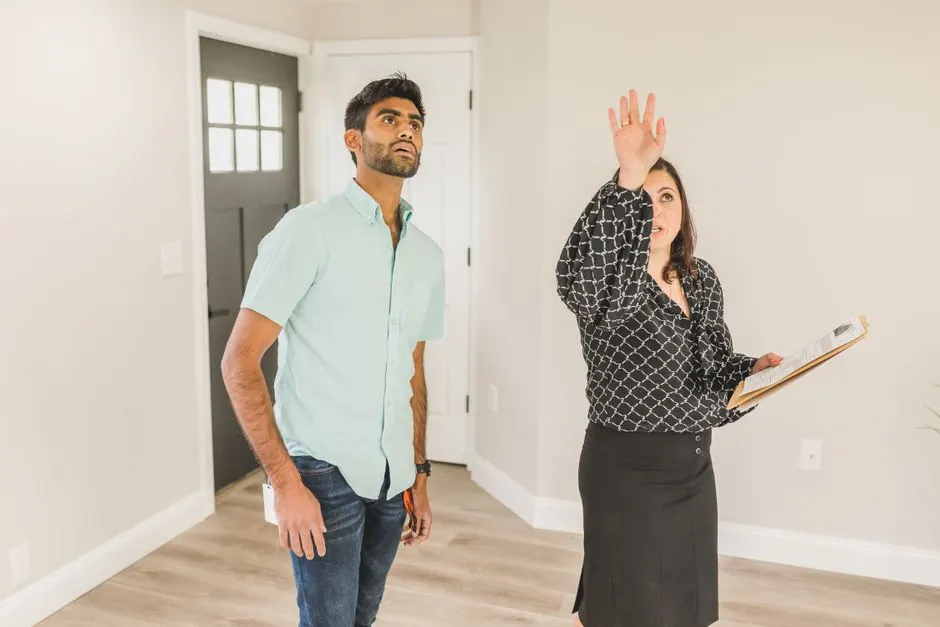

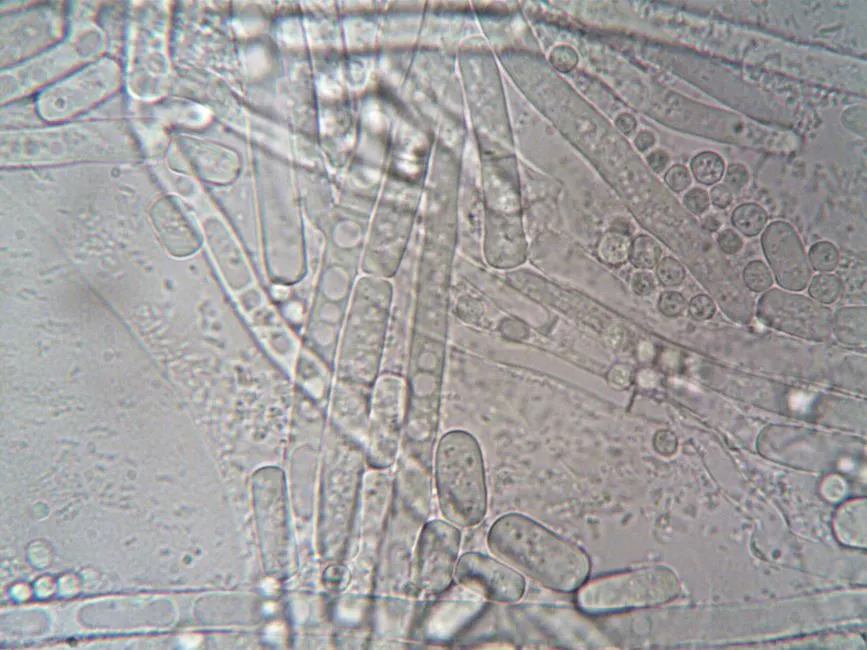


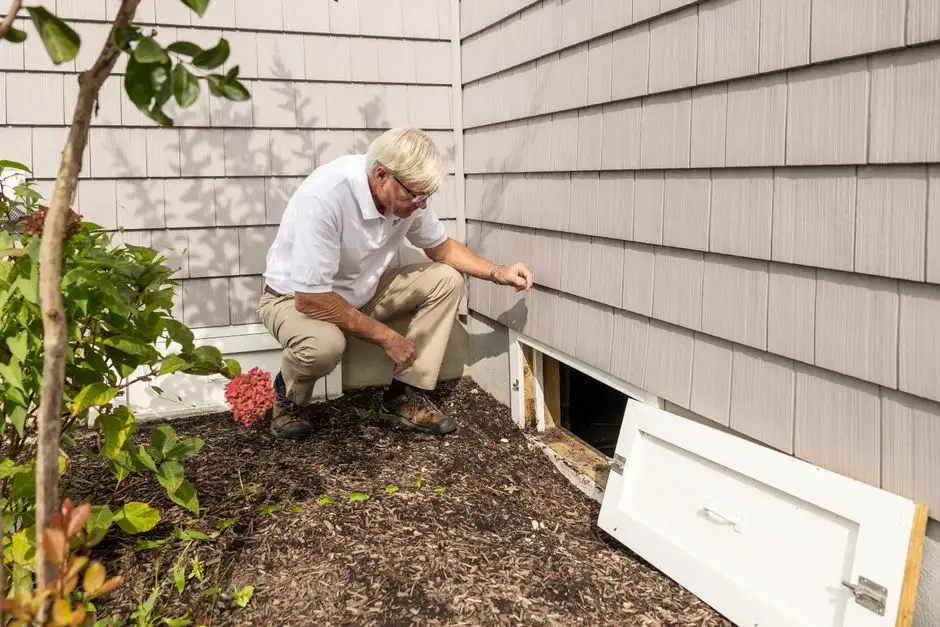
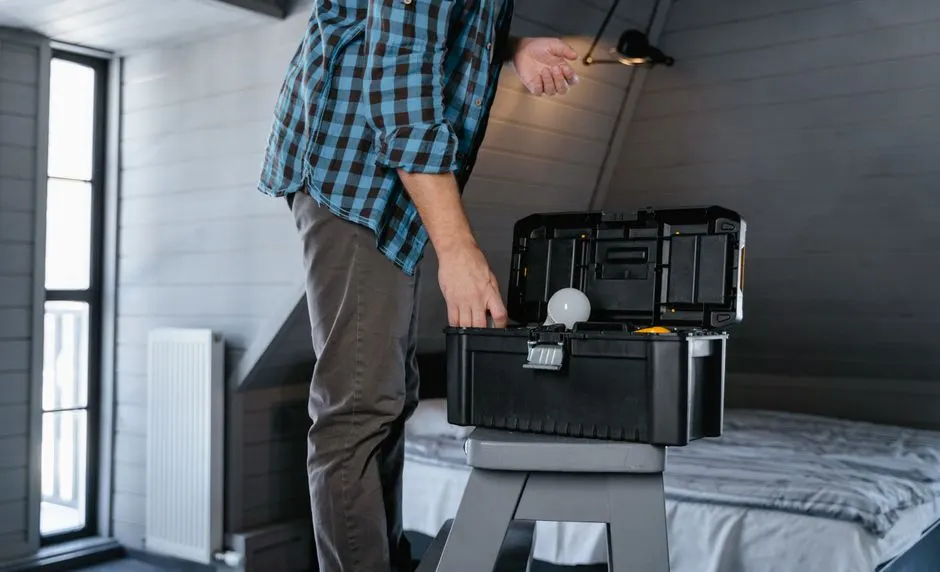
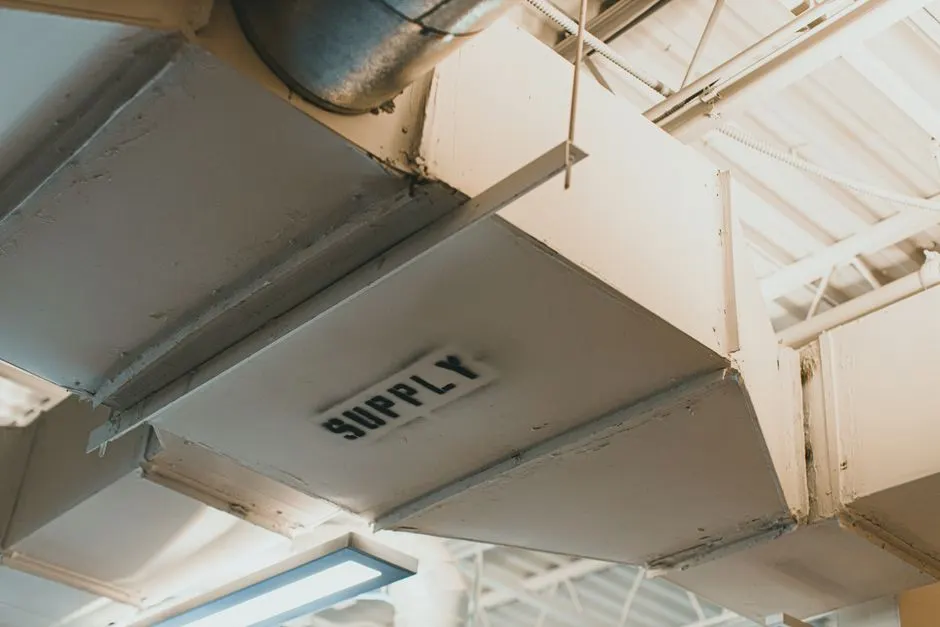
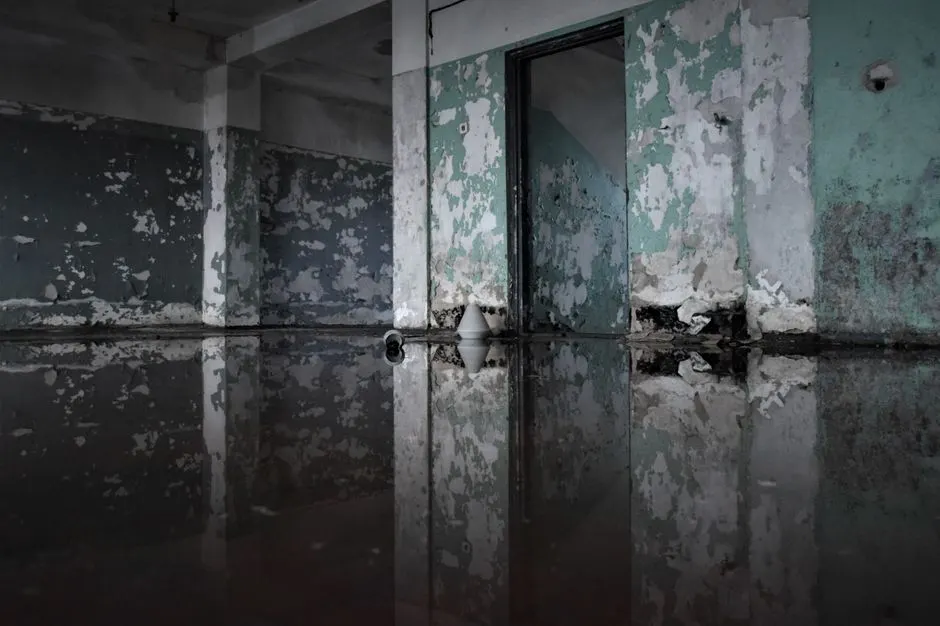
Liberty Wells includes older homes and historic buildings, and their basements, crawl spaces, and attic assemblies can respond differently to leaks and seasonal conditions. Mature trees and landscaped lots can contribute to localized moisture conditions, while cold winters can increase condensation risk where ventilation is limited. A prior plumbing repair or heavy runoff may leave a damp building material even after visible water is gone. Liberty Wells Mold Inspection and Testing focuses on locating the moisture pattern and documenting visible evidence before deciding whether laboratory analysis adds value.
Older basements and crawl spaces may need attention after plumbing leaks or heavy runoff. Water can affect concealed edges, stored materials, or wall finishes, leaving an odor after the visible water has dried. The original leak history helps narrow where inspection should begin.
Cold winters can increase condensation risks in buildings with limited ventilation. Cool exterior surfaces and closed rooms can collect moisture, especially when indoor humidity stays elevated. The resulting pattern may resemble a leak stain, so season and room use matter.
Attic mold concerns can follow a roof leak or occur where ventilation does not manage indoor moisture effectively. In older Liberty Wells buildings, the distribution of dampness and staining helps separate a localized roof entry from broader condensation conditions.
A past leak may be patched or painted before the underlying material is fully dry. If an odor or stain returns, concealed materials can remain a concern even when the wall surface looks clean. Access and repair history affect what can be confirmed during a visual visit.
Call for an inspection when a Liberty Wells room smells musty after a leak, a stain returns after repainting, or a basement stays damp despite routine cleanup. Visible indoor mold growth is one reason to investigate, but hidden mold behind walls may be suspected when moisture or odor persists without a visible patch. Cold winters can increase condensation risks in buildings with limited ventilation. If you are looking for mold testing for homes in Liberty Wells, Salt Lake City, we first check whether inspection evidence points to a specific sampling question.
Musty odor returns after a repair
A recurring odor can mean materials stayed damp, a leak was not fully corrected, or ventilation conditions are contributing. In an older Liberty Wells basement, inspect the affected room and nearby surfaces rather than masking the smell. Prompt moisture checks help identify whether more investigation is needed.
Water stain reappears after repainting
A stain that returns can indicate continued water entry or moisture held within the material. Note when it changes, check for a plumbing or roof history, and avoid covering it again before the source is understood. We compare readings around the mark and document the pattern.
Basement materials feel damp or cool
A damp wall, stored item, or floor edge may reflect condensation, seepage, or a plumbing issue. The sensation alone does not identify the source. We check multiple points and compare the affected area with nearby materials so you can choose the right repair follow-up.
Growth appears around HVAC components
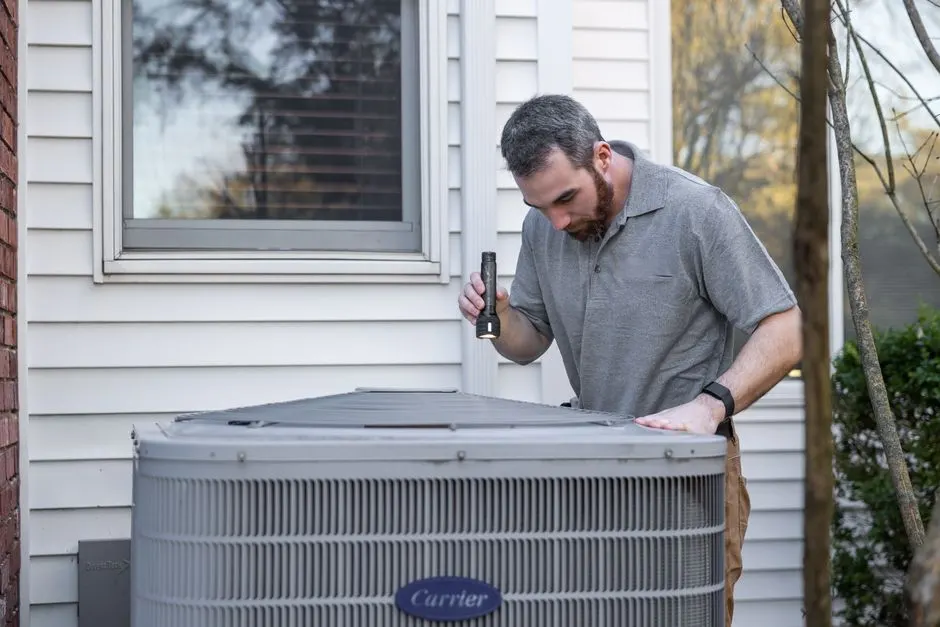
Suspected growth near a register, drain pan, or air handler deserves a closer look, especially if the odor returns when the system runs. We inspect accessible components and surrounding surfaces, then recommend targeted sampling only if it will help answer your specific concern.
Attic odor follows cold weather
An attic odor that appears during winter can be associated with limited ventilation, condensation, or a roof leak. We look for the distribution of staining and damp materials, then separate likely moisture patterns from assumptions. A prompt inspection is useful before seasonal changes obscure the evidence.
Liberty Park is a useful orientation point when arranging a visit in Liberty Wells; we still use your street address to plan the final approach. The surrounding area includes familiar public destinations that help distinguish nearby blocks during scheduling. For an inspection, please identify the entrance, parking restrictions, and any locked basement or attic access. That information helps us bring the right equipment and reach the rooms you want checked without confusing a landmark with the property location.
Liberty Park is a prominent public park within the Liberty Wells area and a practical orientation reference for nearby streets. We use your exact property address for routing and do not treat the park as a service location.
Tracy Aviary is located within Liberty Park, making it a recognizable point of reference when describing the park's position. For an inspection appointment, your street address and entry instructions remain the useful navigation details.
The Chase Home Museum of Utah Folk Arts is a named destination within Liberty Park. It can help orient a caller describing the park area, while our route and arrival plan are based on the Liberty Wells property address.
Gilgal Sculpture Garden is a public garden and recognizable Salt Lake City landmark near the Liberty Wells area. It can help clarify general direction during scheduling, but it is not a substitute for the exact address and access details.
Plus surrounding Salt Lake County neighborhoods, with same-day routing on most appointments.
Averaging 4.9 / 5 across verified reviews.
“We had a musty smell in the basement and could not tell if the old leak was still causing trouble. The inspector checked the wall and floor, explained the moisture readings, and showed us where the numbers changed. The report was straightforward and gave us a useful next step instead of pushing unnecessary testing.”
Mara L.
Liberty Wells Historic District
“We were buying a home and found a water mark during the walkthrough. Salt Lake Mold Testing inspected the lower level, checked nearby materials, and explained what was dry on the day of the visit. The photos and written findings helped us ask focused questions about the prior repair.”
David R.
East Liberty Park
“Our rental had a recurring odor after a cold spell. The inspection covered the reported room and accessible attic area, and the technician explained why ventilation and moisture readings mattered. We received a clear summary for our property records and knew which maintenance items to address next.”
Nina P.
West Liberty Park
As November brings colder conditions, Liberty Wells homes with limited ventilation face more condensation risk, especially in closed rooms and older basements. Winter checks often focus on persistent odors, cold surfaces, and attic moisture. Spring brings runoff and renewed attention to basement dampness; summer can reveal lingering effects of leaks as rooms warm; and fall is a good time to check roof and ventilation conditions before colder weather returns. If you notice a seasonal pattern, note the room, weather, and timing before booking a local mold assessment in Liberty Wells. Those details help us target the inspection.
As snowmelt and spring storms pass, owners may notice damp basement edges or water marks that were less obvious during winter. Older basements and crawl spaces deserve a check after a leak or heavy runoff. Watch for odors that persist after the surface appears dry.
Tip: After water enters, record the affected rooms and remove standing water safely. Arrange moisture inspection before repainting or replacing finishes so the source and extent are easier to document.
Warm weather can make a previously hidden musty odor more noticeable, while ventilation and indoor humidity patterns change with open windows and cooling use. A past leak may leave damp materials even when the original stain has faded.
Tip: Check under sinks, around cooling equipment, and near basement storage after seasonal use begins. If an odor returns, describe when it occurs and whether the HVAC system is running.
Fall is a useful time to notice roofline marks, attic odors, or basement conditions before winter limits ventilation. Recent roof work or earlier storm water should be considered alongside visible staining, not assumed to be the cause.
Tip: Inspect accessible attic and basement areas before storing seasonal items. Keep access clear around suspect walls and note any repairs so an inspection can focus on the right locations.
Cold winters can increase condensation risks in buildings with limited ventilation. Liberty Wells owners may notice window-side dampness, musty closed rooms, or attic concerns when indoor and outdoor conditions differ sharply. A recurring pattern deserves a moisture check.
Tip: Keep a short log of room temperature, humidity if available, and when odors appear. Avoid covering a recurring stain; photograph it and arrange an inspection to distinguish condensation from water entry.
Liberty Wells sits within Salt Lake City, and our service area also covers nearby neighborhoods across the city. If you manage properties in more than one area, we can discuss the affected address and inspection need for each location. Routes vary with traffic and access, so we use the property's address rather than relying on a fixed distance. The nearby location pages below outline additional coverage.
(City)
Downtown Salt Lake City is north of Liberty Wells within the same city service region, with routes depending on the specific property address.
View Downtown Salt Lake City(City)
Capitol Hill lies north of Liberty Wells; customers with properties in both areas can arrange inspections by address and access needs.
View Capitol Hill(City)
The Avenues is another Salt Lake City service area north of Liberty Wells, connected through the city's residential street network.
View The Avenues(City)
Federal Heights is within the same Salt Lake City service region, and appointment routing depends on the specific building and current road conditions.
View Federal Heights(City)
The University District is a separate nearby service area in Salt Lake City; we schedule visits using the property address and access details.
View University District(City)
East Bench extends Salt Lake City's service coverage beyond Liberty Wells, allowing owners to coordinate inspections across multiple local properties.
View East BenchReal answers from our team for the questions we hear most often before a job starts.
A musty basement, recurring stain, or suspected hidden growth needs a clear inspection plan. We check moisture conditions, document what we find, and explain whether sampling will answer your question. Salt Lake Mold Testing serves Liberty Wells and the wider Salt Lake County area. Call +18668968166 to arrange a visit and tell us which rooms need attention.
Salt Lake City homeowners and property managers can call +1 866-896-8166 to discuss a leak, odor, stain, or post-remediation concern. Our phone line is open Monday through Friday, 8:00 a.m. to 6:00 p.m.; tell us which rooms are affected and when the water event occurred. We will help you identify the inspection or testing service that fits.
Phone
+18668968166Address
Salt Lake City, Utah
Hours
Mon–Fri: 7AM – 7PM
Sat: 8AM – 4PM
Sun: Emergency Only
24/7 Emergency Available