Logo
Get Estimate

Indoor Air Quality Testing Salt Lake City UT

Find airborne concerns and get clear next steps


Indoor Air Quality Testing Salt Lake City UT helps homeowners, landlords, and commercial property managers investigate musty odors, visible growth, and unexplained indoor air concerns. Our team checks moisture conditions and collects targeted samples so you can understand what is present and where to look next. Salt Lake City indoor air quality testing is especially useful after a leak, during a property purchase, or when concerns persist after cleanup.

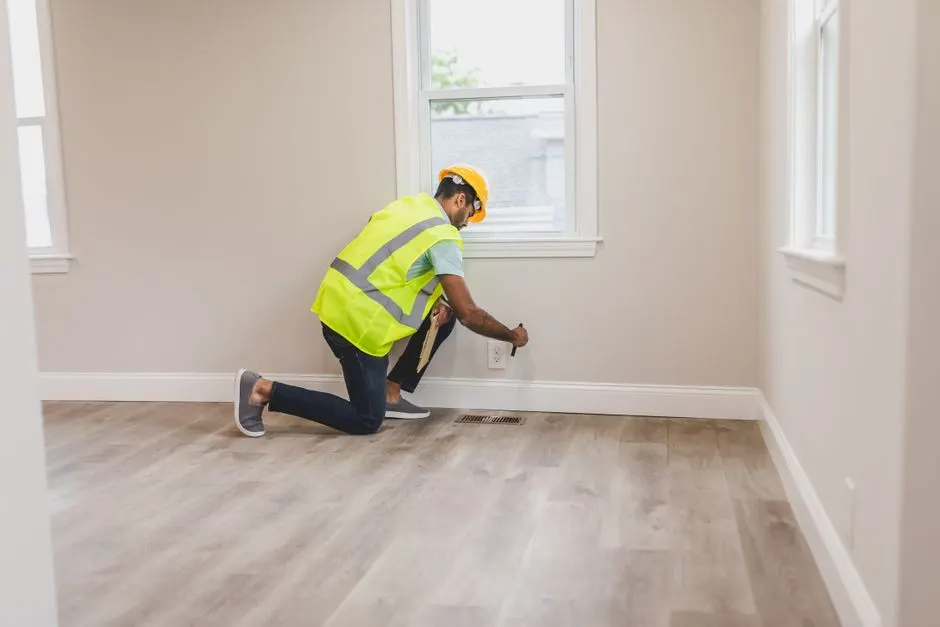
A home inspector in high visibility vest examines an electrical outlet in a modern room.
Licensed Licensed & Bonded
Fully Insured Insured & Bonded
24/7 Emergency Same-Day Response
Warranty Backed Workmanship Guaranteed in Salt Lake City

What Indoor Air Testing Includes

Indoor air testing includes a discussion of your concern, a focused visual review, relevant moisture checks, and sample collection when the conditions support it. We document sampled locations and explain laboratory results alongside field observations. Additional surface or bulk sampling, concealed-area access, and testing for pollutants other than mold require a separate method chosen for that question; we explain the difference before proceeding.

Concern and History Review

We ask about the rooms affected, the timeline, past leaks, odors, and previous remediation. Your answers help focus the inspection on a likely source or pathway, rather than treating every room as equally relevant. Bring any repair or cleanup records you have available.

Visual and Moisture Checks

We inspect accessible areas connected to the complaint and take moisture readings where materials appear suspect. The findings help distinguish a dry surface from a damp condition that needs attention. We record visible concerns without assuming that every stain is active mold.

Targeted Air Collection

When appropriate, we collect airborne samples at locations selected for the building question. Each sample is identified and documented for laboratory handling. The number and placement of samples depend on the property layout and concern, not a one-size-fits-all formula.

Result Interpretation

We review laboratory findings with sample locations, inspection notes, and moisture observations. You get an explanation of what the results support, what they cannot answer, and whether additional investigation or moisture correction is warranted. This keeps the report useful for a practical decision.

Indoor Air Quality Testing Salt Lake City UT


Indoor Air Quality Testing Salt Lake City UT is an indoor environmental service that measures airborne particles and investigates possible mold-related conditions when occupants notice odors, water damage, or visible growth. We begin with a visual review, ask about the building's history, and check moisture at relevant surfaces before selecting sampling locations. Air samples are collected with a HEPA air sampling pump and spore trap cassette when conditions support that method. Results are interpreted alongside the inspection findings; a sample alone does not identify the source or explain every health symptom.

Salt Lake City's dry summers, winter inversions, snowmelt, and sharp indoor-outdoor temperature changes create different moisture and ventilation patterns through the year. Older homes around Capitol Hill and The Avenues may have basements, enclosed crawl spaces, or aging roof details, while newer, tighter buildings depend heavily on HVAC operation. If a musty smell remains after a plumbing leak or wet building materials, a residential air quality test in Salt Lake City can help determine whether airborne mold spores warrant further investigation. We serve Salt Lake County and explain what each result does and does not establish.

What Happens During Testing

Indoor air testing in Salt Lake City, Utah follows a measured sequence: understand the concern, inspect the relevant areas, collect appropriate samples, and explain the results. A typical site visit takes about 1.5 to 3 hours, depending on property size and access. We keep you informed about each step and avoid treating a single sample as a complete diagnosis.

01

Schedule

Call or book online — a real human picks up and confirms a 2-hour arrival window.

02

Diagnose

Licensed tech inspects on-site, then walks you through the cause and your options.

03

Fix

The job is completed to code and done right the first time — no shortcuts, no surprises.

04

Guarantee

Every job backed by a written workmanship warranty — and we stand behind it.

Sampling Tools and Methods

Tools & Equipment

HEPA air sampling pump

We use a pump to draw a measured volume of air through a prepared cassette at a selected location. The sample identifies airborne structures captured during that collection period, not every condition in the building.

Spore trap cassette

A spore trap cassette captures airborne particles for laboratory examination. We label each cassette with its sample location and maintain handling records so the result can be connected to the inspected room.

Moisture meter

A moisture meter compares readings on suspect building materials with nearby reference areas. It helps us locate dampness that may explain visible changes or odors, while readings are interpreted in relation to the material and site conditions.

Thermal imaging camera

A thermal imaging camera displays surface temperature patterns that can guide a closer look at possible anomalies. We verify relevant areas with direct inspection or moisture readings; an image alone does not confirm hidden water or mold.

Surface sampling swab

A surface sampling swab collects material from a defined suspect spot when the question concerns growth on that surface. It complements air collection but does not measure airborne conditions throughout the room.

Methods & Standards

Targeted indoor and comparison sampling

We place samples where they answer the reported concern and consider a comparison location when it improves interpretation. Room use, recent cleaning, ventilation, and the presence of open windows can affect collection conditions. We record relevant details so the laboratory result is not separated from the setting in which it was collected.

Moisture-led investigation

We follow water pathways from the reported area and compare readings across affected and nearby materials. This can help distinguish a localized leak from condensation or a broader damp condition. Sampling follows the inspection question; it does not replace correcting an active source of water.

Documented sample handling

We identify samples by location and complete chain-of-custody forms before laboratory submission. The records preserve the relationship between the collection point and the analysis. We review results against field notes and explain limitations, including the fact that a sample represents only the air or material collected.

EPA moisture guidance

We use EPA guidance for mold and moisture in buildings as a practical reference for emphasizing moisture control and correcting water problems. The guidance does not turn one air sample into a whole-building certification. Our recommendations focus on observed conditions, sampled areas, and a reasonable way to address the source.

When to Test Indoor Air

01

A Sugar House home has a musty basement odor after spring snowmelt and a repaired foundation seep.

What we do: We inspect accessible basement walls and stored-material areas, compare moisture readings, and select air or surface samples only where they address the odor concern. We note whether materials remain damp and explain what a sample can establish about the tested room.

→ You get a clearer distinction between a current moisture problem and airborne findings in the sampled locations, plus a documented next step.

02

A Capitol Hill owner sees a ceiling stain after a winter roof leak but cannot tell if the attic is affected.

What we do: We examine accessible ceiling and attic areas, look for moisture patterns, and use a thermal imaging camera as a guide when temperature differences warrant closer checking. Direct moisture readings verify suspicious areas. Air sampling is considered only if it answers a relevant indoor question.

→ You learn whether the concern appears localized, whether damp materials need attention, and whether indoor sampling would add useful evidence.

03

A Downtown Salt Lake City office reports a recurring odor near an HVAC return after maintenance.

What we do: We review the complaint history, inspect accessible nearby components, and check relevant materials for moisture or visible changes. If sampling is appropriate, we document the return area and comparison location. We do not assume an HVAC odor proves mold growth or affects the entire building.

→ Facility staff receive findings tied to specific rooms and components, helping them coordinate targeted cleaning, repair, or further inspection.

04

A buyer in The Avenues requests testing after finding visible growth in a lower-level utility room.

What we do: We inspect the utility room and adjacent accessible spaces, record moisture conditions, and select samples based on the buyer's concern and inspection timeline. The report identifies sampled areas and explains any limits, so the buyer can discuss the findings with the appropriate property professionals.

→ The buyer gets evidence about the tested conditions before making a decision, with clear separation between observed facts and items needing further investigation.

How Testing Works in Salt Lake City

Salt Lake City's high-desert climate brings dry outdoor air for much of the year, but indoor moisture still builds around plumbing leaks, humidifiers, cooking, and poorly ventilated bathrooms. Winter inversions can also lead occupants to keep windows closed, making ventilation habits and HVAC operation relevant to an odor investigation. In November and through winter, roof leaks, condensation on cold surfaces, and freeze-related plumbing failures deserve close attention; spring snowmelt can expose basement seepage later. We adapt Salt Lake City indoor air quality testing to the building's age and construction, from older homes with stone or masonry foundations to newer, tighter homes with controlled ventilation. Our team checks accessible areas, records moisture observations, and selects sample locations that match the reported problem. If you need professional indoor air testing near Downtown Salt Lake City, we can assess the specific rooms and explain what results would answer. We serve Salt Lake County, including residential and commercial properties, and report observed conditions without implying that a sample represents every room.

Neighborhoods We Serve

  • Sugar House

    Older homes and remodeled lower levels can have mixed construction materials; we check basement moisture and the history of seepage before choosing sample locations.

  • The Avenues

    Stepped lots and older roof details can make attic or upper-wall leaks worth reviewing when a ceiling stain or persistent odor follows a storm.

  • Downtown Salt Lake City

    Office and apartment concerns often involve shared ventilation and multiple room uses, so we document which areas were accessible and sampled.

  • Rose Park

    After a plumbing or roof leak, we compare readings around affected materials with nearby areas to help identify whether dampness remains localized.

Local Conditions We Plan For

  • Winter condensation on cold windows and exterior walls

    Closed windows and indoor humidity can leave condensation on cold surfaces. We check nearby materials and ventilation clues so a recurring patch is not mistaken for a roof or plumbing leak without evidence.

  • Spring snowmelt reaching lower-level walls

    Water can enter through foundation details or drainage problems after thaw. Moisture readings and a basement inspection help identify affected areas before air samples are selected to answer a separate airborne question.

  • Roof leaks and attic moisture after winter storms

    A small roof opening can wet sheathing or insulation while the living area remains visually unchanged. We inspect accessible attic conditions and consider whether the building layout creates a pathway to occupied rooms.

Basement Odor After a Leak

Before

A homeowner in Sugar House noticed a musty odor several weeks after a supply-line leak was repaired. The visible floor had dried, but the smell remained near a finished basement wall. No one knew whether the wall cavity was still damp or whether airborne sampling would provide useful information.

After

We checked accessible surfaces, compared moisture readings at the wall and nearby materials, and collected targeted air samples in the affected room and a comparison area. The report documented the exact locations and laboratory findings, then identified the damp material as the next item to investigate rather than treating the air result as a source map.

Maintenance: Keep the repaired plumbing area accessible and watch for renewed staining or odor. Recheck the wall after heavy spring runoff, and correct any new water entry promptly before considering repeat air sampling.

Before

A Capitol Hill homeowner found dark marks on attic sheathing after a winter roof leak was patched. They wanted to know whether the marks were limited to the attic or connected to an upstairs bedroom odor. The repair was complete, but no one had documented material moisture or sample locations.

After

We inspected accessible sheathing and nearby framing, recorded moisture readings, and collected samples only where the findings and indoor concern justified them. The visit covered the attic and bedroom in about two hours. The report separated the observed attic condition from the results in the occupied room, preventing one finding from being applied to the whole house.

Maintenance: Check the repaired roof area after the next significant storm and keep attic ventilation paths clear. If staining expands or moisture returns, investigate the roof assembly before relying on another air sample.

Before

A Downtown office manager received repeated odor complaints near one conference room after HVAC maintenance. The building had several adjacent work areas, but the complaint did not identify whether the odor followed the equipment or stayed in one room. Staff needed a documented baseline to coordinate follow-up.

After

We documented the conference room and a comparison area, inspected accessible HVAC-adjacent materials, and collected samples tied to those locations. The manager received a report with room-specific observations and lab findings. This gave facilities staff a defined starting point instead of treating the entire floor as affected.

Maintenance: Record future complaints by room and time, and note HVAC operation or cleaning immediately beforehand. Reinspect the affected area if dampness, visible growth, or a stronger odor appears.

Resolve Indoor Air Concerns in Salt Lake City

Persistent odors, damp materials, and visible growth often leave you unsure whether the concern is isolated or affecting indoor air. An air quality assessment for mold concerns Salt Lake City UT pairs targeted sampling with inspection evidence. We help identify which question the available results answer and what physical condition should be addressed next.

Problem

Musty odor persists after a basement leak was repaired

The smell may continue if materials remain damp or a concealed area was missed, and repeated masking does not locate the source.

Our Fix

We inspect the affected basement and adjacent areas, compare moisture readings, and collect air samples when appropriate. If readings point to a damp material, we explain where focused follow-up could help. You receive a record of what was checked and a practical direction for drying, repair, or additional access.

Problem

Visible growth appears near a window or exterior wall

Condensation can recur when cold surfaces meet humid indoor air, while a leak can keep materials wet and allow damage to spread.

Our Fix

We examine the surface and nearby materials, check moisture, and consider how the room is used and ventilated. A surface sample can address uncertain material, while air sampling answers a different question. We explain which method fits the concern and whether the likely driver is moisture intrusion or condensation.

Problem

Air concerns remain after cleanup or remediation

Without a documented follow-up, you may not know whether the treated area was cleaned adequately or whether moisture has returned.

Our Fix

We review the treated locations, inspect accessible surfaces, and collect post-remediation samples when the project conditions call for them. Findings are tied to the tested area and the work completed. If moisture remains, we identify that condition as a separate issue requiring correction before relying on air results alone.

Problem

A rental or office complaint has no documented baseline

Unclear room boundaries and missing records can make it harder to coordinate repairs, communicate findings, or verify a later change.

Our Fix

We identify the reported rooms, document visible and moisture conditions, and note each sample location. The resulting record gives owners, managers, and occupants a shared description of the inspection. Follow-up testing can then compare defined areas rather than relying only on a general odor report.

Clear Findings, Practical Next Steps

Clear Findings, Practical Next Steps

A useful test answers a specific building question rather than producing numbers without context. We connect sample locations, moisture observations, and visible conditions so you can decide whether to monitor, repair a leak, investigate a cavity, or arrange remediation. You receive findings in plain language, with the limits of sampling explained.

  • Targeted Sampling Plan

    We choose sample locations based on your concern, the building layout, and the inspection observations. A comparison sample may help put indoor results in context, while a focused sample near a damp room addresses a different question. This approach keeps Salt Lake City indoor air quality testing tied to an actual decision instead of collecting air at random.

  • Moisture Source Clues

    Air sampling tells only part of the story, so we also look for damp materials and likely water pathways. A moisture meter can compare readings at suspect drywall, trim, or flooring with nearby unaffected areas. That evidence helps you distinguish a current moisture issue from an odor that needs a different investigation.

  • Actionable Lab Findings

    Collected samples are documented and submitted for analysis, then explained in relation to the site observations. We identify what the reported results show, where additional inspection could help, and when a result does not support a broad conclusion. You leave with a practical sequence of next steps rather than an unexplained lab sheet.

  • Useful Property Record

    A dated report can help homeowners, buyers, landlords, and facility managers record the conditions observed during testing. It can support a repair conversation or provide a baseline for follow-up after moisture correction. For a property transaction, arrange testing before deadlines so findings can be considered alongside the inspection period.

Testing Standards and Proof

Licensed & Certified

  • Council-certified Microbial Investigator (CMI) — issued by American Council for Accredited Certification
  • Council-certified Indoor Environmental Consultant (CIEC) — issued by American Council for Accredited Certification
  • Council-certified Indoor Environmentalist (CIE) — issued by American Council for Accredited Certification
  • AIHA Laboratory Accreditation Programs — issued by American Industrial Hygiene Association Laboratory Accreditation Programs

Verified Reviews

Google ★★★★★4.9

Our Sugar House basement had a damp smell after a leak, and we needed more than a quick guess. The inspector checked moisture at the affected wall, explained the air-sampling locations, and reviewed the lab findings with us. The report made it clear what was tested and what needed follow-up.

Google ★★★★★5.0

We called about an odor in a Downtown Salt Lake City office. The team documented the conference room and nearby comparison area rather than making claims about the whole building. Their explanation helped us coordinate the next HVAC and moisture checks with our facilities staff.

Yelp ★★★★★4.8

Testing after a roof repair in The Avenues gave us a much clearer picture of the attic and upstairs room. The technician checked accessible materials, explained the limits of sampling, and went through the results without jargon. We left knowing what to monitor after the next storm.

Field-Based Testing Expertise

Our Salt Lake City team combines visual inspection, moisture investigation, and targeted air sampling instead of relying on a lab result in isolation. We account for the building's use, recent water events, ventilation, and the specific rooms where you have concerns. Sampling follows documented handling practices, including sample identification and chain-of-custody records. Our approach draws on EPA guidance for mold and moisture in buildings and recognized industry practices, while keeping conclusions limited to what the site observations and collected samples support.

  • We use a Council-certified Microbial Investigator (CMI) credential as a relevant benchmark for field investigation and sampling practice.
  • Our inspection notes distinguish visible conditions, moisture readings, sample locations, and laboratory findings instead of blending them into one claim.
  • We investigate common sources including roof leaks, plumbing failures, damp basements, condensation, and mold growth around HVAC components.
  • We explain when surface sampling, air sampling, or additional access is better suited to the question you need answered.
  • Reports are prepared to help homeowners and property professionals understand findings, limits, and a reasonable next action.
Get Started Today
Field-Based Testing Expertise

Indoor Air Testing Questions

Real answers to the questions we hear most often from local homeowners and property managers.

How much does indoor air quality testing cost in Salt Lake City?
A focused indoor air quality test commonly costs $250 to $650 in Salt Lake City, with larger or multi-area investigations reaching $850 or more. The 2026 price depends on property size, sample count, travel within the service area, and whether moisture mapping or surface sampling is added. We explain the price before booking. The right sample plan can prevent paying for locations that do not address your concern.
Who offers indoor air testing near me in Salt Lake City?
Salt Lake Mold Testing provides indoor air testing in Salt Lake City, Utah for homes, rentals, and commercial properties. We inspect the areas connected to your concern, collect samples when appropriate, and explain laboratory findings with site observations. Call +1 866-896-8166 to discuss your property, including service in Sugar House, Downtown, and other Salt Lake City neighborhoods. Tell us about leaks, odors, or previous remediation so we can identify a useful testing approach.
What does an indoor air quality test check for?
An indoor air quality test can measure airborne mold structures in collected samples and document conditions in the sampled rooms. It does not test every possible indoor pollutant unless those analyses are specifically selected. We also inspect for visible growth, water intrusion, damp materials, and ventilation clues. Results are interpreted with the sample locations and comparison conditions, so you understand what the test supports and what it cannot establish.
Can indoor air testing identify mold-related concerns?
Yes, indoor air testing can identify airborne mold structures in the sampled air, but it cannot locate every hidden source by itself. We compare laboratory results with moisture readings, odors, and visible conditions to decide whether further inspection is warranted. If you need an air quality assessment for mold concerns Salt Lake City UT, we can focus sampling around the affected rooms and explain whether a surface sample or additional access would add useful evidence.

Related Mold Testing Services

Mold Inspection

A visual mold inspection helps locate visible growth, moisture pathways, and suspect materials before air samples are selected. For Salt Lake City properties, we connect inspection observations to indoor air testing so you can understand whether a sample addresses the actual concern or whether the source needs closer examination.

View Mold Inspection

Mold Testing

Mold testing can include air, surface, or bulk-material sampling depending on the building question. Combined with Indoor Air Quality Testing Salt Lake City UT, the selected method helps distinguish airborne findings from growth on a specific surface and gives you a clearer basis for follow-up.

View Mold Testing

Mold Assessment and Written Reports

A written assessment organizes observations, moisture evidence, sample locations, and laboratory results in one record. It helps Salt Lake City owners explain findings to a contractor, property manager, or buyer. We keep conclusions tied to the inspected conditions rather than making claims beyond the evidence.

View Mold Assessment and Written Reports

Residential Mold Inspection

Residential inspections focus on living areas, bedrooms, basements, attics, and other spaces where household concerns arise. When a home has a persistent odor or past water damage, indoor air testing can add sample evidence to the visual and moisture findings.

View Residential Mold Inspection

Commercial Mold Inspection

Commercial inspections consider occupancy, room use, HVAC operation, and the locations where staff report concerns. We coordinate testing around the affected areas and document findings in a way facility managers can use to plan investigation or moisture correction without confusing one room's sample with the entire building.

View Commercial Mold Inspection

Pre-Purchase Mold Inspection

A pre-purchase mold inspection checks for visible moisture issues and conditions that could merit testing before a transaction deadline. Buyers in Salt Lake City can add air sampling when an odor, leak history, or damp basement raises a specific concern, then use the report to inform their next property decision.

View Pre-Purchase Mold Inspection

Book Indoor Air Quality Testing

Get a focused inspection and clear results for your Salt Lake City property. Our team explains the testing plan and upfront pricing before the visit. Call Salt Lake Mold Testing at +1 866-896-8166 to book an indoor air quality test in Salt Lake City.

Call Today Book Testing

Contact Salt Lake Mold Testing

Salt Lake City homeowners and property managers can call +1 866-896-8166 to discuss a leak, odor, stain, or post-remediation concern. Our phone line is open Monday through Friday, 8:00 a.m. to 6:00 p.m.; tell us which rooms are affected and when the water event occurred. We will help you identify the inspection or testing service that fits.

Or call us right now at +18668968166 — we answer.

Salt Lake Mold Testing


  • Phone

    +18668968166
  • Address

    Salt Lake City, Utah

  • Hours

    Mon–Fri: 7AM – 7PM
    Sat: 8AM – 4PM
    Sun: Emergency Only
    24/7 Emergency Available

Call +18668968166 Get Quote
Call Quote