Logo
Get Estimate

Commercial Mold Inspection Salt Lake City UT for Clear Answers

Find moisture, document mold concerns, and plan next steps


Commercial Mold Inspection Salt Lake City UT helps property owners, facility managers, and tenants identify visible growth, hidden moisture, and indoor air concerns before they disrupt operations. Our team inspects offices, retail spaces, warehouses, and multi-unit properties across Salt Lake City, Utah. We trace conditions to likely sources, use sampling when it answers a specific question, and deliver findings you can use to choose practical repairs or follow-up testing.

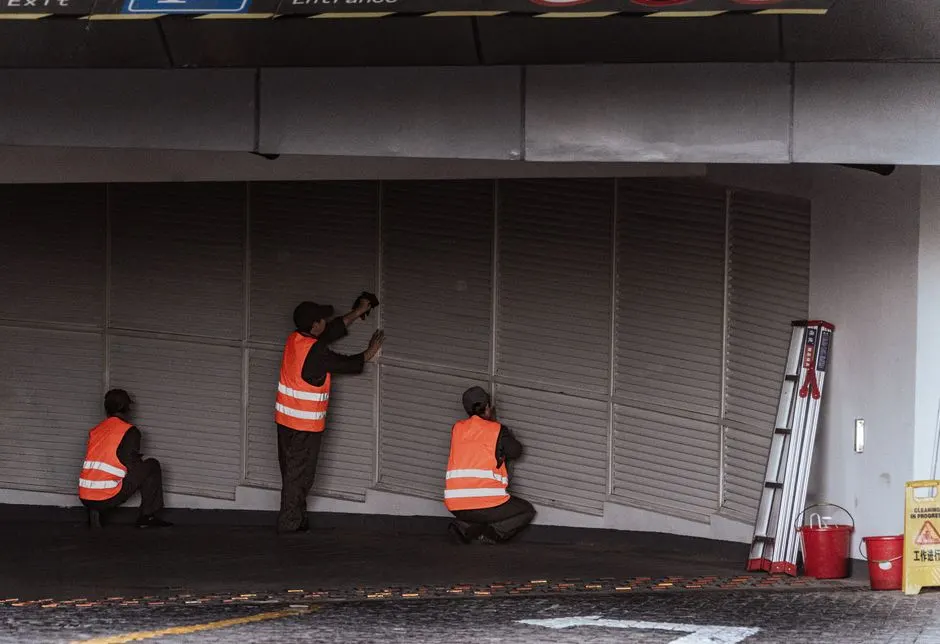
Three workers in safety vests install security shutters at an indoor entrance.
Licensed Licensed & Bonded
Fully Insured Insured & Bonded
24/7 Emergency Same-Day Response
Warranty Backed Workmanship Guaranteed in Salt Lake City

What Commercial Mold Inspection Includes

Your inspection covers accessible areas connected to the reported concern, visual observations, moisture checks, and a written summary of findings. Sampling is selected when it helps answer a defined question; laboratory analysis is documented with sample locations and results. The inspection does not replace repairs or remediation, and concealed areas are reported as inaccessible unless opened or otherwise evaluated.

Building History Review

We record the rooms involved, reported odors or visible growth, known leaks, and prior repair work. Your maintenance notes and photographs help us follow likely water pathways and choose relevant comparison areas during the visit.

Visual and Moisture Checks

We inspect accessible surfaces and use a moisture meter to compare suspect materials with nearby areas. Findings note the location and condition observed, including staining, dampness, condensation, or visible growth, rather than relying on appearance alone.

Targeted Sampling Options

When useful, we collect air or surface samples from identified locations and document the method. Each sample is labeled for laboratory handling, and your report explains the purpose and limits of the result in relation to the site observations.

Written Findings and Next Steps

The report summarizes inspected areas, moisture indicators, sample results when ordered, and recommended follow-up. You can use it to coordinate leak repairs, remediation planning, monitoring, or a later clearance assessment for the defined work area.

Commercial Mold Inspection Salt Lake City UT: Scope


Commercial Mold Inspection Salt Lake City UT is a building assessment that locates moisture conditions and evaluates suspected mold growth in commercial spaces. We review the reported history, inspect accessible rooms and building components, map damp areas with a moisture meter, and use thermal imaging when surface temperature patterns warrant a closer look. If sampling is appropriate, we collect air or surface material using documented procedures and submit samples to a qualified laboratory. Your report connects observations, readings, and sample results to the locations checked, so you can distinguish a confirmed concern from an area that needs monitoring or repair.

Salt Lake City buildings face winter freeze-thaw cycles, spring runoff, summer cooling loads, and dry indoor air that can conceal leaks behind finishes. Roof penetrations, plumbing chases, below-grade rooms, and HVAC components deserve attention after water intrusion or persistent musty odors. A mold assessment for a Salt Lake City office building is especially useful after a leak, tenant complaint, renovation discovery, or clearance request. We focus inspection time on the history and building conditions you describe, not a one-size-fits-all checklist.

Inspection Steps and Deliverables

Salt Lake City commercial mold inspection follows a practical sequence: understand the concern, inspect the building, document conditions, collect targeted samples if useful, and explain the findings. We coordinate access with your point person so occupied areas, restricted rooms, and operating equipment are handled deliberately. You see what we are checking and why.

01

Schedule

Call or book online — a real human picks up and confirms a 2-hour arrival window.

02

Diagnose

Licensed tech inspects on-site, then walks you through the cause and your options.

03

Fix

The job is completed to code and done right the first time — no shortcuts, no surprises.

04

Guarantee

Every job backed by a written workmanship warranty — and we stand behind it.

Inspection Tools and Methods

Tools & Equipment

Moisture meter

We compare readings at suspect and reference materials to locate damp areas and document where further leak investigation or drying checks are needed.

FLIR thermal imaging camera

We scan for temperature patterns that may guide direct moisture checks around roofs, windows, plumbing routes, and interior finishes; the image is not treated as proof of mold.

HEPA air sampling pump

We use controlled air collection with a spore trap cassette when airborne sampling is relevant to the documented complaint and building conditions.

Surface sampling swab

We collect material from a selected visible area when laboratory identification can help clarify the nature of a deposit or suspected growth.

Data-logging hygrometer

We record temperature and relative humidity over a defined period when changing indoor conditions or condensation patterns are part of the investigation.

Methods & Standards

Moisture-first visual inspection

We begin with building history and visual review, then map moisture indicators before deciding whether samples add value. This sequence helps connect suspected growth with a water source and prevents a laboratory result from being treated as a full building diagnosis. Locations, comparison areas, and access limits are recorded.

Targeted air and surface sampling

Sampling locations are chosen to answer a specific question, such as comparing a complaint room with a reference area or characterizing visible material. We record collection details and sample identifiers, then interpret laboratory findings alongside room conditions. Results are not used alone to determine the extent of a building problem.

Moisture and remediation context

We use EPA guidance for mold and moisture in buildings and consider the IICRC S520 mold remediation standard when discussing remediation-related findings. Recommendations remain tied to observed conditions and the project question. A separate post-remediation check can document a defined work area after cleanup is complete.

When to Schedule an Inspection

01

A Downtown Salt Lake City office reports a persistent odor after a roof leak dried and ceiling tiles were replaced.

What we do: We review the leak history, inspect the affected room and adjoining accessible areas, and check for remaining moisture indicators. If material above the ceiling is inaccessible, we document that limit and discuss targeted access. Air or surface sampling is added only when it addresses a defined concern.

→ You get a location-specific record of observed conditions and a practical sequence for roof repair follow-up, drying, or additional investigation.

02

A Sugar House retail tenant finds discoloration near a storefront after repeated condensation during cold weather.

What we do: We compare the affected surface with nearby materials, inspect window edges and accessible wall areas, and note indoor conditions that could contribute to condensation. A thermal imaging camera can help identify patterns for direct verification, but measurements guide the conclusion.

→ Your property team can separate a moisture source requiring repair from a surface condition that needs monitoring or further testing.

03

A Salt Lake City property manager is preparing a multi-tenant suite for a new occupant after a plumbing leak.

What we do: We inspect the repaired area and adjacent rooms, map moisture readings, and document visible conditions before the suite is turned over. Where requested, we collect targeted samples and include locations and results in the final report.

→ The manager receives a clear condition record to support turnover planning and communicate what was checked before occupancy.

04

Staff report a musty smell near a mechanical room while HVAC equipment runs through a winter heating cycle.

What we do: We inspect accessible equipment surroundings, nearby surfaces, and the route between the mechanical room and complaint area. We document moisture and visible conditions, then recommend focused HVAC follow-up if system access or operation limits the inspection.

→ Facilities staff learn whether the concern aligns with a visible moisture issue, a system area needing closer review, or a condition requiring additional assessment.

How Commercial Mold Inspection Works in Salt Lake City

Commercial mold inspection in Salt Lake City, Utah, must account for varied building ages and construction: older masonry and converted commercial spaces sit alongside modern office suites with concealed ceiling plenums and complex mechanical systems. Winter temperature swings can expose weak window seals and roof details, while spring runoff and plumbing failures can leave below-grade storage or mechanical rooms damp. Summer cooling can create condensation where warm, humid air meets chilled surfaces. We ask where the concern began and when it changes, then inspect the accessible route between the complaint and likely moisture source. A business mold inspector Salt Lake City UT should document the limits of access as carefully as the findings. In areas such as Downtown and Central City, shared systems and multiple tenants often require coordinated room access. Our team records the inspected locations and explains what further access or repair would clarify. For a commercial property mold evaluation Salt Lake City, the report links observations, moisture readings, and any lab results to specific areas rather than making a building-wide claim from one sample. We serve Salt Lake County and central Salt Lake City addresses including 84112 and 84113, coordinating with your facility contact to keep the inspection focused and workable.

Neighborhoods We Serve

  • Downtown Salt Lake City

    Older commercial buildings and newer office towers can conceal plumbing routes above finished ceilings; we document accessible areas and coordinate with building management when shared spaces are involved.

  • The Avenues

    Commercial and mixed-use properties near older residential blocks can have varied roof and masonry details. We check reported leak paths and compare affected materials with nearby conditions.

  • Sugar House

    Retail suites and renovated spaces may combine new finishes with older building components. We focus on the transition areas where water intrusion or condensation can recur.

  • University District

    Offices and institutional spaces often have scheduled occupancy and controlled access. We coordinate room entry and record which locations were inspected during the visit.

Local Conditions We Plan For

  • Winter freeze-thaw cycles stress roof edges and exterior openings

    Repeated temperature shifts can expose weak seals and allow intermittent water entry. We look for staining, damp materials, and patterns that point toward an exterior pathway, then recommend the next repair investigation.

  • Spring runoff can affect below-grade commercial rooms

    Storage rooms and mechanical spaces may retain dampness after seepage or drainage problems. We check accessible surfaces and compare readings with drier areas to help identify where drying or building-envelope review is needed.

  • Dry indoor heating can mask intermittent moisture complaints

    Low indoor humidity does not rule out a localized leak or condensation event. We use the complaint timeline and material readings together, documenting whether the room was dry during the visit and where follow-up monitoring would help.

Ceiling Leak in an Office Suite

Before

An office had a recurring odor below a roof area that had been patched, and stained ceiling tiles had already been replaced. Staff could not tell whether the repair had stopped the water or simply removed the visible evidence. The affected room and nearby corridor had not been compared or documented.

After

Our inspection recorded the affected ceiling locations, compared moisture readings across the room, and identified one area requiring further roof-side review. The written findings separated dry replacement materials from the unresolved pathway. The property team used the location notes to direct follow-up rather than replacing additional tiles across the suite.

Maintenance: After the roof work, check the repaired area and nearby ceiling materials during the next two weeks of normal weather. Record any renewed odor or staining and request a focused follow-up if readings or visible conditions change.

Before

A retail tenant reported dampness and discoloration along a storefront wall during cold mornings. Cleaning reduced the appearance for a short time, but staff still noticed moisture near the window edge. No one had recorded indoor conditions or compared the wall with an unaffected section.

After

We documented the affected edge, checked adjacent materials, and recorded temperature and humidity conditions during the visit. Direct moisture checks helped distinguish a localized damp area from nearby dry finishes. The report directed the building team to review the window transition and monitor the specific wall section after corrective work.

Maintenance: Keep the storefront area clear enough for inspection and note when condensation appears. After the building-envelope adjustment, compare the same wall locations over several cold mornings and report any return of dampness.

Before

A plumbing leak in a commercial storage room had been repaired, but boxed supplies remained near the wall and the adjacent office had a faint musty smell. The manager needed to know whether the affected materials had dried and what areas were actually checked.

After

The inspection mapped readings at the repaired wall and adjacent office, documented visible conditions, and identified the accessible area requiring continued drying verification. Targeted sampling was used only for the defined concern. The manager received a room-specific report to guide storage removal and the next maintenance check.

Maintenance: Keep stored items several inches away from the repaired wall until the material is dry and the source remains controlled. Recheck the mapped locations after drying and address any new odor, staining, or elevated moisture promptly.

Resolve Commercial Mold Concerns Before They Spread

A mold evaluation for commercial buildings in Salt Lake City starts with the building condition behind the complaint. Odor, staining, or an occupant report is a reason to investigate, not proof of the source. We locate accessible moisture indicators, document affected areas, and explain what needs repair, testing, or further access.

Problem

Musty odors return after surface cleaning in an occupied office

The odor can persist because damp material or a concealed leak remains untreated, disrupting staff and prompting repeated cleaning without resolving the cause.

Our Fix

We trace the reported odor through affected and adjoining accessible areas, check for moisture patterns, and note building conditions that may contribute. If a sample will answer a specific question, we collect one and document its location. Your team receives findings that distinguish observed evidence from suspected concealed conditions.

Problem

Water staining appears below a roof or plumbing route

A continuing leak can damage ceiling finishes, insulation, and nearby contents; delayed discovery also makes it harder to identify the original moisture path.

Our Fix

We inspect the stain and relevant areas above or beside it when access is available, compare moisture readings, and document likely pathways. Thermal imaging can guide checks but is verified directly. We identify where repair investigation should focus and whether additional material access is needed.

Problem

Tenants report discomfort but no visible growth is found

Unresolved complaints can lead to repeated room closures and disputes, even when the cause is ventilation, dust, moisture, or another indoor condition.

Our Fix

We record complaint locations and timing, inspect accessible surfaces and HVAC-related areas, and select air sampling only when it fits the question. Results are reviewed with the site observations and room conditions, giving managers a defensible next step rather than an unsupported assumption.

Problem

Post-remediation rooms need a documented condition check

Returning a space to use without checking the defined work area can leave owners uncertain about cleaning quality or remaining visible moisture concerns.

Our Fix

We inspect the agreed area after remediation, document visible conditions and moisture status, and collect clearance samples when specified by the project criteria. The report identifies the rooms and sampling points evaluated, helping you make a documented decision about the completed work.

Practical Answers for Your Property

Practical Answers for Your Property

A focused inspection helps you decide what needs repair, what needs sampling, and what can remain in service. We document locations and conditions in plain language, giving owners and facility teams useful evidence for maintenance planning, contractor coordination, and occupant communication. The goal is a clear next step, not a stack of unexplained readings.

  • Find Moisture Sources

    We trace visible staining, damp finishes, and elevated readings toward likely water pathways, including window edges, roof details, supply lines, and mechanical rooms. A moisture meter helps compare suspect material with nearby dry surfaces. Your maintenance team gets specific locations to investigate instead of a general instruction to watch for mold.

  • Target Sampling Carefully

    Sampling is selected to answer a defined question, such as whether airborne particles differ between a complaint room and a reference area. We use spore trap cassettes or a surface sampling swab when conditions support collection. Results are interpreted alongside the inspection; a sample alone does not map the full building condition.

  • Support Repair Decisions

    A room-by-room record can help you prioritize a small plumbing repair before it becomes a broader interior project. We identify observed growth, moisture indicators, access limits, and recommended follow-up. That helps you communicate with building engineers, remediation contractors, insurers, or ownership without treating every discoloration as the same problem.

  • Document Occupant Concerns

    Persistent odors or recurring complaints need a measured investigation. We record the reported locations, visible conditions, and relevant environmental readings, then explain what the evidence supports. For a Salt Lake City commercial mold inspection, this creates a useful baseline for comparing conditions after a repair or during a later follow-up visit.

Field Knowledge and Reporting

Commercial inspections require more than spotting discoloration: the inspector must relate building history, moisture pathways, accessible construction, and sampling limits. Our local experience covers offices, retail suites, older masonry buildings, and newer tenant improvements throughout Salt Lake City. We use recognized investigation practices, explain the difference between observation and laboratory evidence, and keep recommendations tied to what the inspection found. When a project needs specialist remediation, our findings help define the affected area without presenting an inspection as a repair or clearance guarantee.

  • We apply moisture mapping and visual inspection before selecting samples, keeping laboratory testing tied to a clear field question.
  • Our reporting distinguishes visible growth, suspect staining, damp materials, and inaccessible spaces rather than treating them as equivalent findings.
  • We follow applicable EPA guidance for mold and moisture in buildings and reference the IICRC S520 mold remediation standard when discussing remediation context.
  • Sample handling uses labeled containers, suitable collection materials, and chain-of-custody forms to preserve traceability from room to laboratory.
  • We explain instrument limits: a thermal image indicates a temperature pattern, while direct moisture readings and visual checks verify the condition.
Get Started Today
Field Knowledge and Reporting

Commercial Inspection Questions

Real answers to the questions we hear most often from local homeowners and property managers.

How much does commercial mold inspection cost in Salt Lake City?
A focused commercial inspection often costs $350-$1,200 in 2026, with larger buildings and laboratory sampling increasing the total. Price depends on square footage, number of affected areas, access, and how many samples are useful. We explain the price before the work starts. A site with one reported leak is usually simpler than a multi-floor property with several odor complaints and concealed construction concerns.
Who provides commercial mold assessment near me?
Salt Lake Mold Testing provides commercial mold assessment in Salt Lake City for offices, retail spaces, and other business properties. We inspect visible conditions, map moisture, and arrange targeted sampling when it answers a specific question. For a mold assessment for a Salt Lake City office building, have the affected room list and leak history ready; that helps us focus the inspection and coordinate access efficiently.
What areas are checked during a commercial mold inspection?
A commercial mold inspection checks reported rooms, adjacent areas, accessible wall and ceiling surfaces, plumbing or roof-related moisture paths, and relevant HVAC components. We also inspect basements, storage areas, and mechanical spaces when the concern points there. Hidden cavities are not assumed clear without access. Your report identifies inspected locations and any limits, so you can see exactly where observations and measurements came from.
Can a commercial mold inspector assess an office building?
Yes, a commercial mold inspector can assess an office building, including private offices, conference rooms, shared corridors, and accessible mechanical areas. We coordinate with your building contact to avoid disrupting active work and document the reported complaint locations. A focused visit often takes two to four hours; a large or multi-floor building takes longer, especially when several suites or concealed moisture pathways need evaluation.

Related Inspection Services

Mold Inspection

A general inspection can investigate a suspected issue in one suite or a wider property. For Salt Lake City commercial mold inspection, the same visual and moisture-focused approach helps establish where concerns exist and whether targeted sampling would add useful evidence.

View Mold Inspection

Mold Testing

Testing adds laboratory analysis when a specific air or surface question needs an answer. We select collection points based on building conditions and interpret results with the inspection record, rather than treating a lab result as a stand-alone diagnosis.

View Mold Testing

Indoor Air Quality Testing

Indoor air quality testing can assess selected airborne concerns in occupied commercial spaces. We coordinate sample locations with your complaint history and room use, then explain how results relate to observed moisture and ventilation conditions.

View Indoor Air Quality Testing

Mold Assessment and Written Reports

A written assessment organizes observations, moisture readings, sample locations, and recommended next steps. It gives property managers and owners a clear record to share with maintenance teams, remediation contractors, or other stakeholders.

View Mold Assessment and Written Reports

Residential Mold Inspection

Our residential service uses the same evidence-led approach for homes and small residential properties. Commercial clients who manage mixed-use buildings can address separate residential spaces with an inspection tailored to their occupancy and construction.

View Residential Mold Inspection

Pre-Purchase Mold Inspection

Before buying a commercial property, an inspection can identify visible growth, moisture concerns, and areas needing further access. Findings help buyers understand conditions before renovation or occupancy plans proceed.

View Pre-Purchase Mold Inspection

Book Commercial Mold Inspection Salt Lake City UT

Get a clear account of moisture conditions, suspected growth, and useful next steps for your property. Our inspectors document findings carefully and explain the evidence in plain language. Call Salt Lake Mold Testing at +18668968166 to schedule your inspection.

Call Today Schedule Inspection

Contact Salt Lake Mold Testing

Salt Lake City homeowners and property managers can call +1 866-896-8166 to discuss a leak, odor, stain, or post-remediation concern. Our phone line is open Monday through Friday, 8:00 a.m. to 6:00 p.m.; tell us which rooms are affected and when the water event occurred. We will help you identify the inspection or testing service that fits.

Or call us right now at +18668968166 — we answer.

Salt Lake Mold Testing


  • Phone

    +18668968166
  • Address

    Salt Lake City, Utah

  • Hours

    Mon–Fri: 7AM – 7PM
    Sat: 8AM – 4PM
    Sun: Emergency Only
    24/7 Emergency Available

Call +18668968166 Get Quote
Call Quote