
Utah State Capitol
The Capitol is a recognizable city landmark that helps orient routes near Capitol Hill and the western side of the Federal Heights area. We still use the property address for final navigation and access planning.
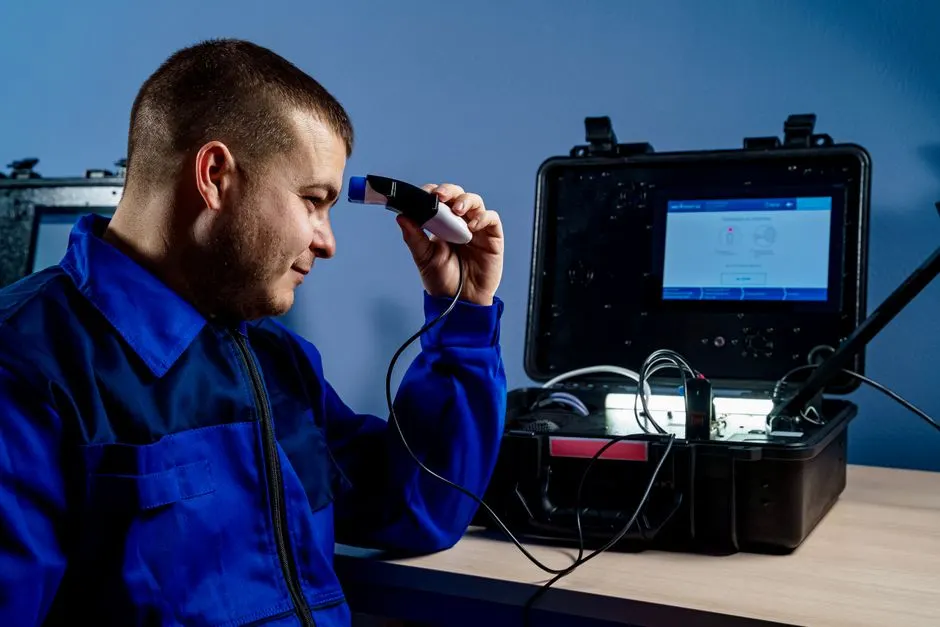
Mold Inspection and Testing in Federal Heights is a property assessment that checks for mold and moisture conditions when visible growth, odors, or water damage raise concern. Our team serves the Federal Heights Historic District, Upper Federal Heights, Lower Federal Heights, and the Wasatch Hollow edge, where older homes can have varied renovation histories and concealed building layers. We look at the room, the moisture source, and the materials before recommending a sample.
For Mold Inspection and Testing Federal Heights UT, we use a moisture meter and, when conditions call for it, a FLIR thermal imaging camera to investigate temperature patterns that may point to damp materials. Neither instrument identifies mold by itself; findings need context and, where useful, laboratory analysis. We document accessible areas and explain limits plainly.
A practical visit ends with a clear account of observed conditions, likely moisture pathways, and next steps. If sampling is warranted, we collect the right sample type and maintain chain-of-custody paperwork. We serve Salt Lake County from our Salt Lake City base, coordinating visits around property access and the areas you need checked.
Federal Heights properties call for focused inspections, not a one-size-fits-all sampling plan. Older finishes, hillside drainage, roof runoff, and basement or crawl space moisture can all shape what we check. If you need Mold Inspection and Testing near me in Federal Heights UT, tell us what changed, where you notice it, and whether a leak or repair came first. We match the visit to that history and collect samples only when they help answer the question.
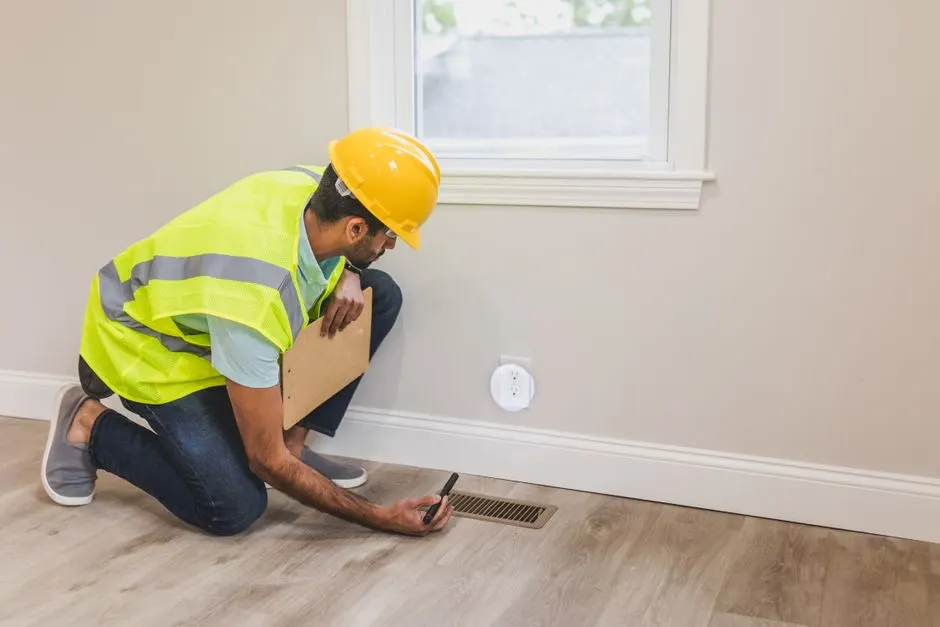
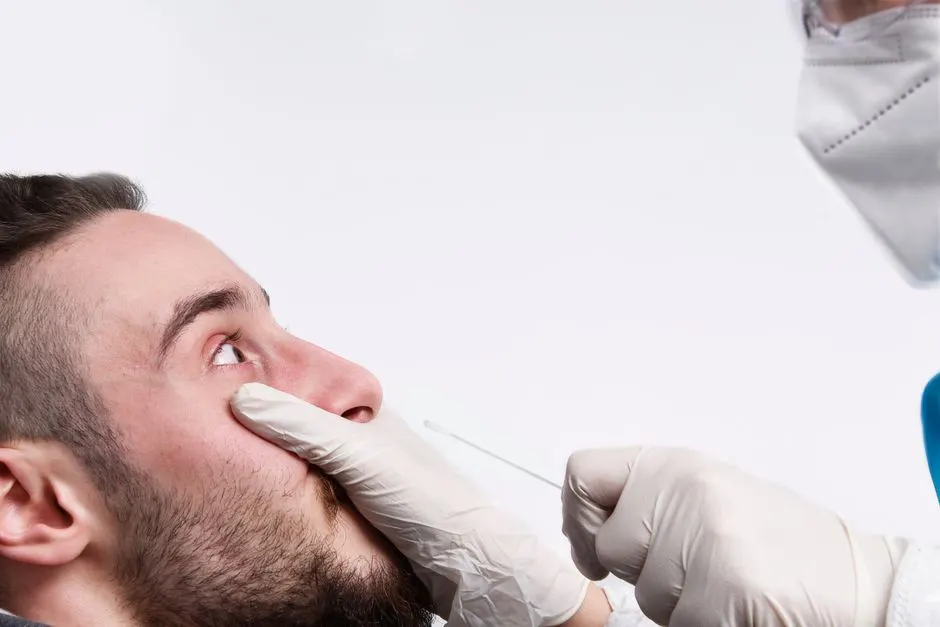
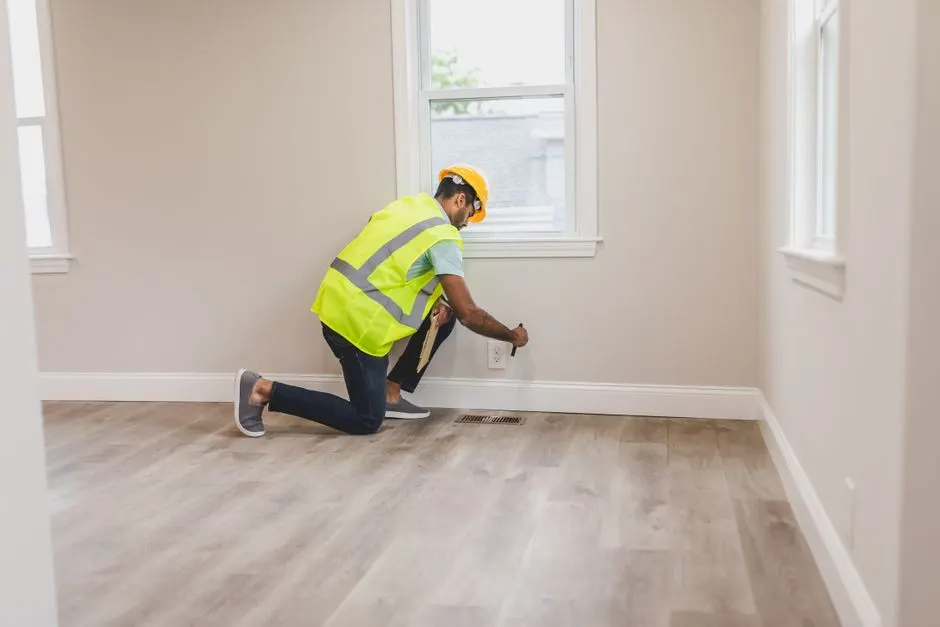
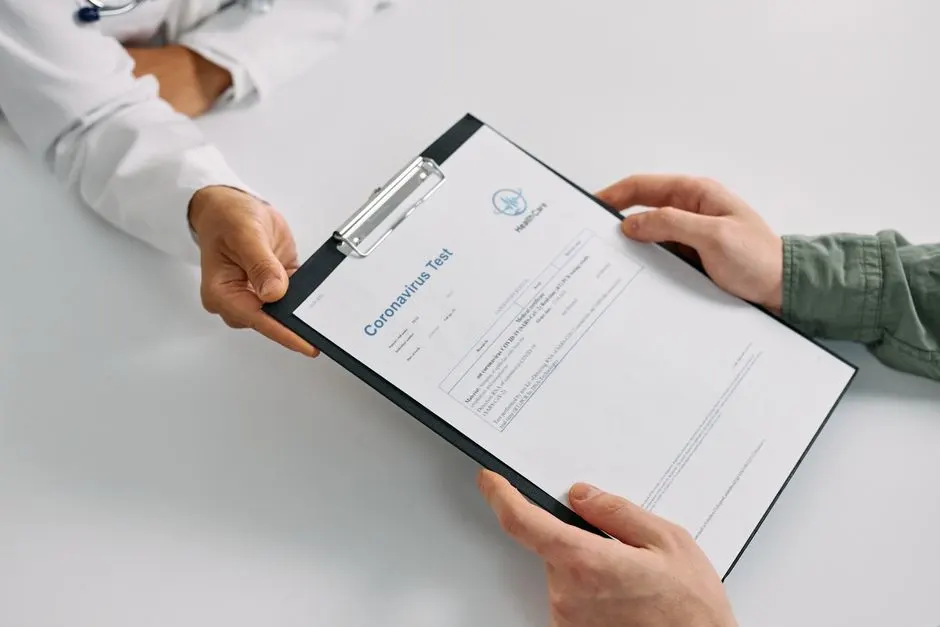

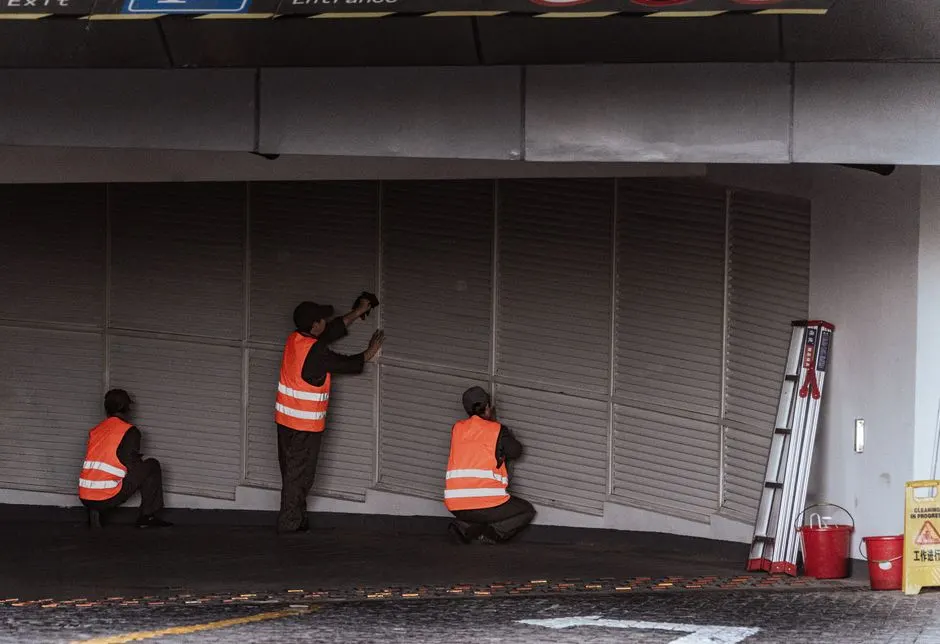
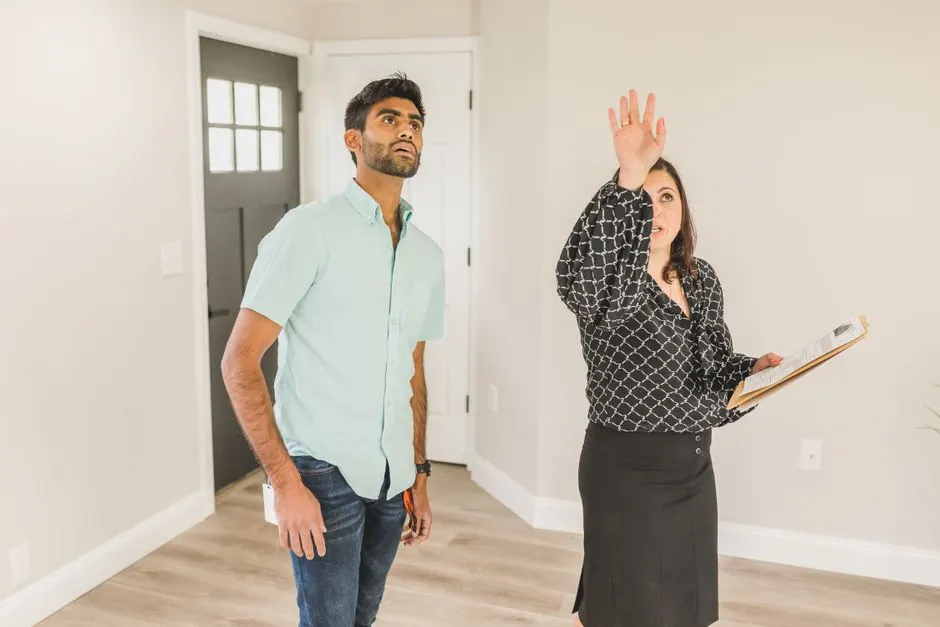
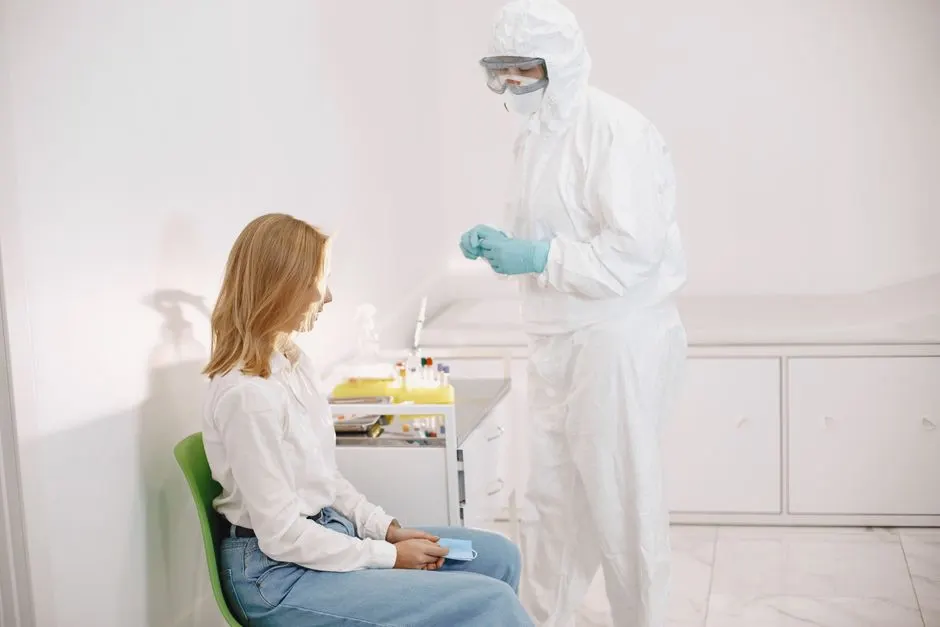
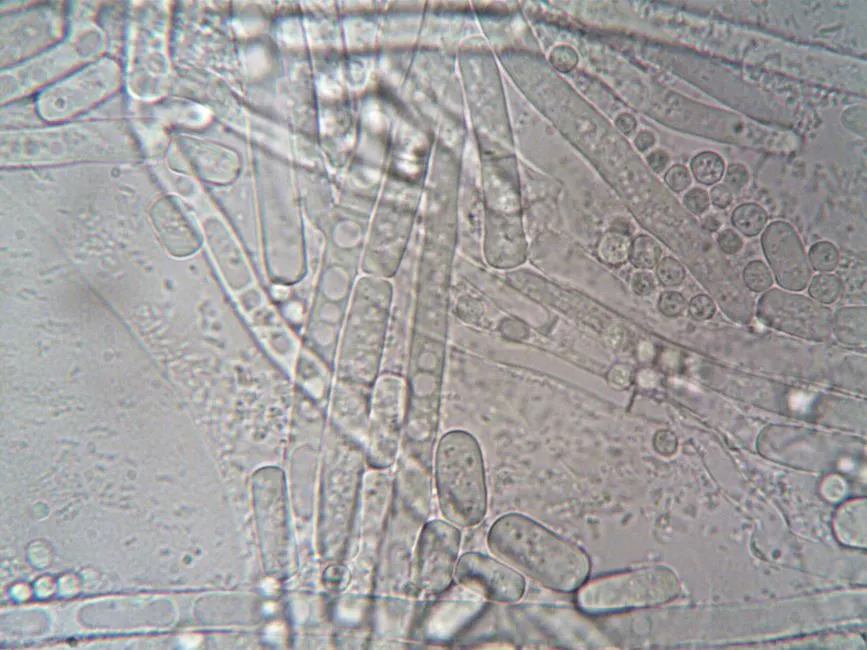

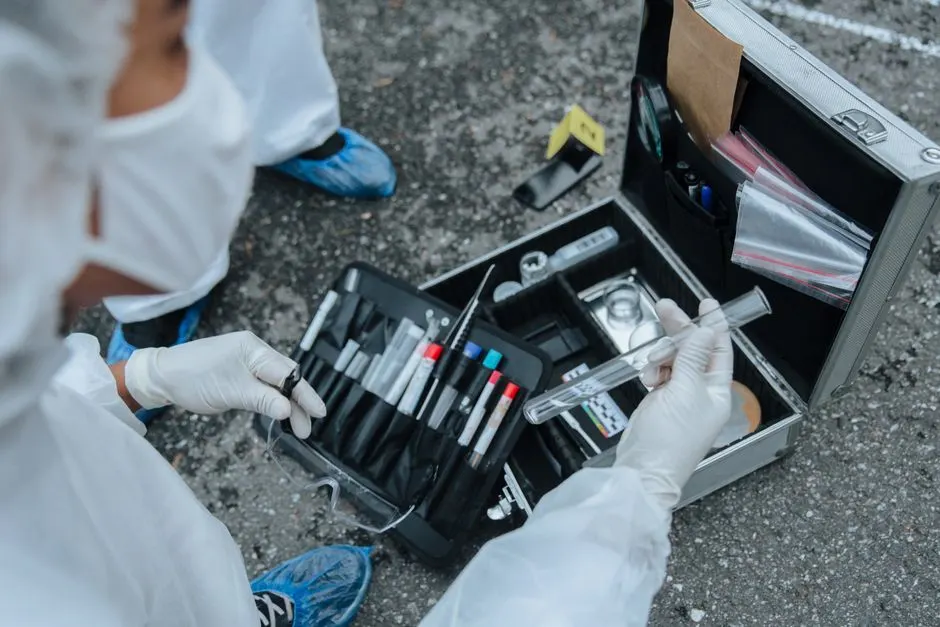
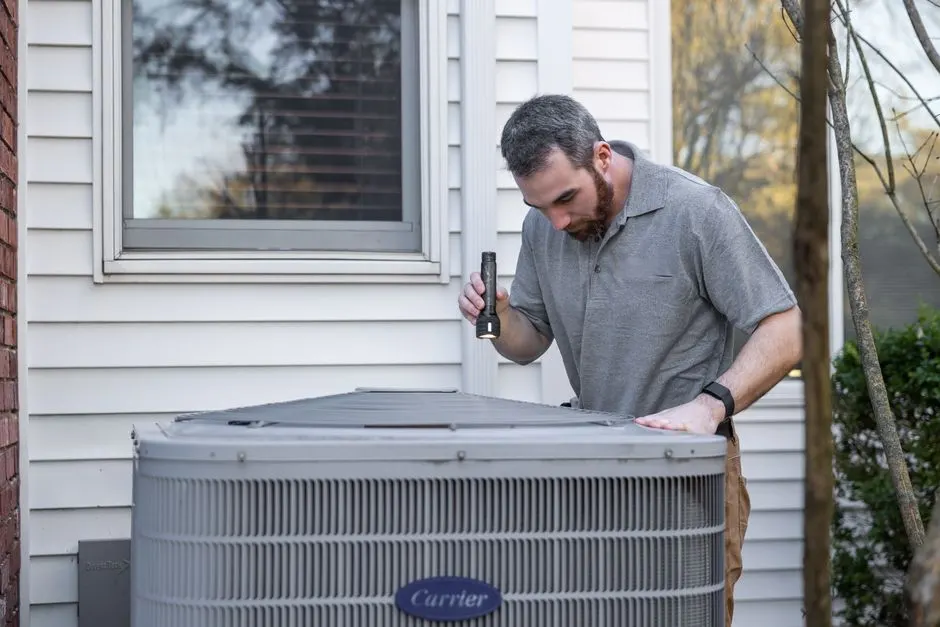
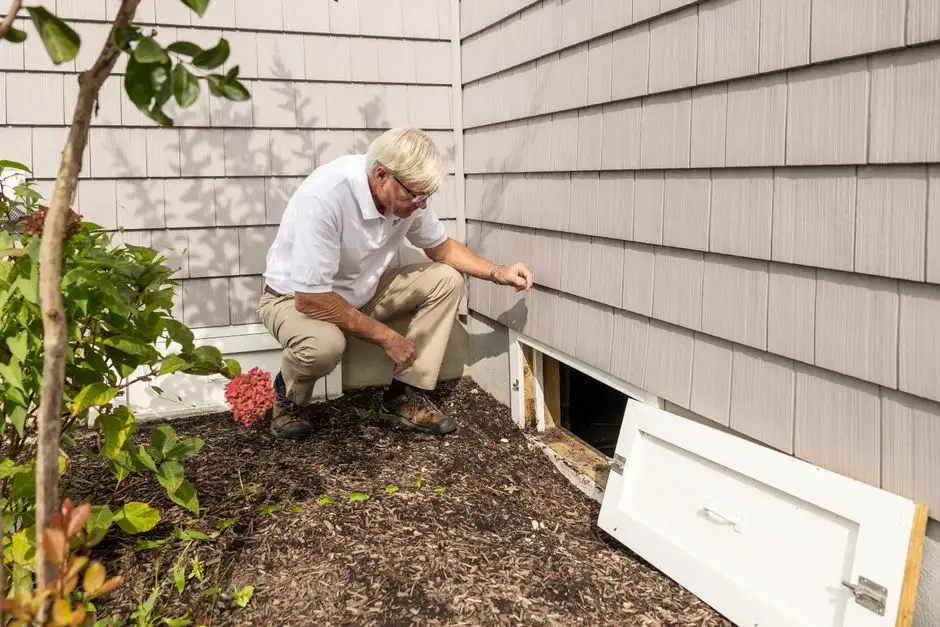
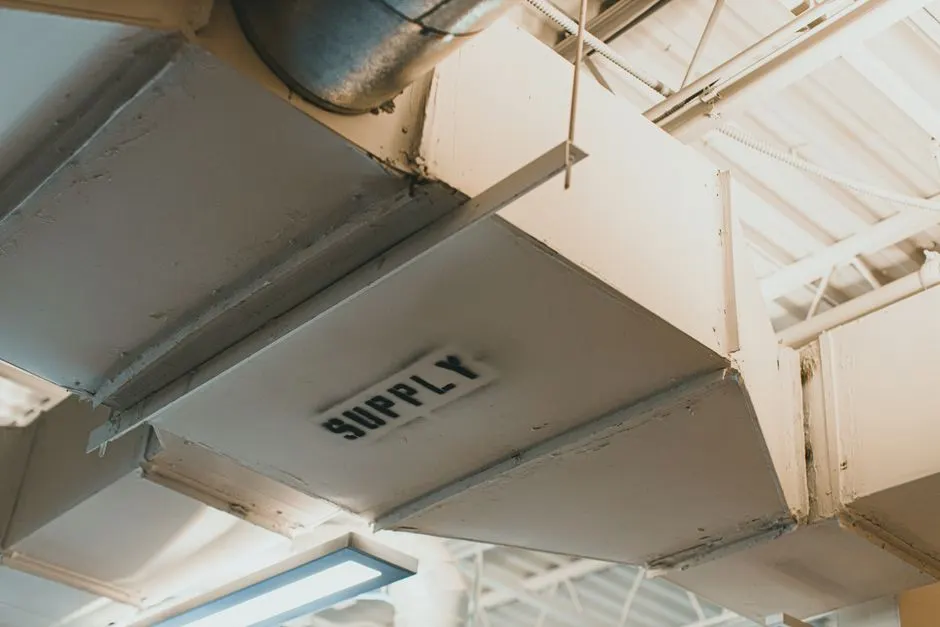
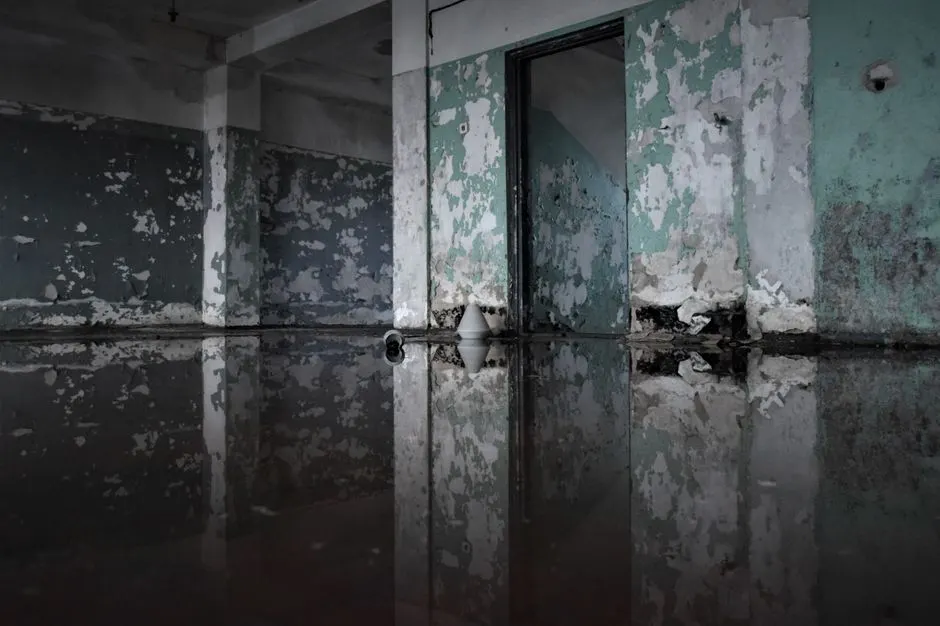
Federal Heights Mold Inspection and Testing often focuses on water intrusion, damp lower levels, and roof-related moisture because local properties vary in elevation and building history. Hillside properties may experience localized runoff and foundation moisture, but neighboring homes can have different drainage conditions. Snow, freeze-thaw cycles, and roof drainage can affect building moisture, while older renovations may conceal earlier repairs. A careful assessment distinguishes visible mold growth from a water stain, checks materials directly where accessible, and identifies when further testing is justified.
Hillside properties may experience localized runoff, and drainage paths differ by parcel. Water can reach foundation-adjacent materials during wet periods, while poor ventilation or stored items can slow drying. The actual cause depends on the building and must be checked on site.
Snow, freeze-thaw cycles, and roof drainage can expose weaknesses around roof coverings or flashing. Water may travel before appearing on a ceiling, making the visible mark a poor guide to the entry point. Older repairs can complicate the history.
Winter temperature differences, limited air movement, and indoor moisture can contribute to condensation on colder surfaces. Older homes may have been renovated with different insulation and ventilation details, so one room can behave differently from another.
Federal Heights homes have varied renovation histories. New finishes can cover past repairs, and persistent musty odors may come from concealed damp materials or a different source. A finished surface limits what a non-invasive inspection can establish.
Call for Mold Inspection and Testing in Federal Heights when a water event leaves a musty odor, damp materials, or a stain that changes over time. A recently repaired leak also deserves a check if the surrounding wall or flooring still feels damp. If you want to book a local mold assessment in Federal Heights, describe the room, the water source, and when the symptom appears; that history helps us choose the right inspection route. Visible mold is not the only reason to investigate, and a clean-looking surface does not rule out concealed moisture.
Musty odor returns after airing out
A recurring odor can indicate moisture or microbial growth in a concealed or poorly ventilated area, especially if it returns after windows are opened. Note the room and whether the smell changes when heating or cooling runs. A focused inspection can check nearby materials and likely water pathways.
Wall or ceiling stain grows after storms
A stain that expands after snowmelt, rainfall, or roof drainage points to a moisture pathway that needs attention. The stain itself does not identify mold, but damp drywall or insulation can support growth. Arrange an assessment promptly if the material remains wet or the mark continues to spread.
Basement floor edge feels damp
Persistent dampness near a foundation wall can reflect water entry, condensation, or another moisture condition. In Federal Heights, property topography and drainage differ from lot to lot, so the cause needs inspection rather than assumption. Record when the floor feels damp and whether the area changes after weather events.
Visible growth returns after cleaning
Growth that reappears after surface cleaning suggests the moisture source may remain or affected material may extend beyond the visible spot. Avoid simply repainting the area. We inspect the surface, check adjacent moisture conditions, and determine whether sampling or remediation assessment is useful.
Odor appears when HVAC starts
A smell that begins with heating or cooling may come from damp materials near equipment, a drain issue, or another source; it does not automatically mean the ducts contain mold. Note which system setting triggers it and which rooms are affected. A targeted HVAC-area inspection can narrow the question.
We use familiar Salt Lake City landmarks to orient routes near Federal Heights, then navigate to the property's exact address. The Utah State Capitol and Ensign Peak help distinguish the north and hillside portions of the area, while Presidents Circle and the University of Utah orient visits toward the east and southeast. Red Butte Garden is another recognizable reference on the foothill side. These are navigation references only; the inspection is performed at your property, not at a landmark.
The Capitol is a recognizable city landmark that helps orient routes near Capitol Hill and the western side of the Federal Heights area. We still use the property address for final navigation and access planning.
Ensign Peak provides a clear geographic reference north of central Salt Lake City. It helps orient the hillside area, while the specific property address determines the route and inspection access.
Presidents Circle at the University of Utah is a recognizable east-side reference. It helps distinguish nearby eastward routes from central city streets when planning travel to a Federal Heights address.
Red Butte Garden is a well-known foothill destination near the University of Utah. It serves as a general orientation point for the eastern side of the service area, not as a service location.
Plus surrounding Salt Lake County neighborhoods, with same-day routing on most appointments.
Averaging 0.0 / 5 across verified reviews.
“Customer reviews were not supplied for this page, so we cannot publish a customer quotation or rating as genuine feedback. If you contact us about a Federal Heights inspection, we will explain the visit, the areas to be checked, and whether sampling fits your concern. We report observed conditions rather than promising a particular result before entering the property.”
Unavailable
Federal Heights Historic District
“We do not create customer testimonials. For an Upper Federal Heights property, our work starts with your water or odor history, followed by an inspection of accessible affected materials. You can expect a clear explanation of readings, sample choices if needed, and what the findings mean for the next step.”
Unavailable
Upper Federal Heights
“No verified review text was provided for publication. If you are arranging an assessment near the Wasatch Hollow edge, call us with the property address and concern. We will discuss access, inspect the relevant areas, and document findings without presenting an unverified customer story as fact.”
Unavailable
Wasatch Hollow edge
As November brings colder weather, Federal Heights owners should watch for roof drainage, freeze-thaw effects, and condensation around cold surfaces. Winter heating and closed windows can make a recurring odor more noticeable, while spring thaw can expose runoff or foundation dampness. If you are considering mold testing for homes in Federal Heights, Salt Lake City, start with the water history and the room where symptoms occur. Seasonal timing helps explain patterns, but moisture readings and inspection evidence determine the next step.
Thawing snow and spring precipitation can reveal drainage issues around foundations or show that an earlier roof leak was not fully resolved. Lower-level materials may remain damp after the weather changes, while stains can become more visible as water tracks through finishes.
Tip: Check accessible basement and crawl space areas after thaw periods. If a wall or floor remains damp, note the location and arrange an inspection before covering or repainting the material.
Summer storms can test roof drainage and expose leaks that did not appear during dry weather. Warm indoor conditions can also make odors stronger in enclosed rooms, while a recently wet area may dry unevenly behind stored belongings or finished surfaces.
Tip: After a storm, check ceilings and upper-level rooms for new marks. Move stored items away from a damp wall when safe, and record when the stain or odor appeared.
Fall is a useful time to inspect roof drainage and address water entry before winter conditions arrive. Leaves or debris can affect drainage at a property, and earlier summer leaks may leave stains or damp materials that remain unnoticed until rooms are closed up.
Tip: Review attic and ceiling areas after roof work or a known leak. If a musty smell returns as windows close, note the room and call for a focused assessment.
Cold weather, indoor heating, and closed windows can make condensation-related mold growth more likely on cold surfaces when moisture and limited air movement coincide. Snow and freeze-thaw cycles may also affect roof drainage. A symptom that appears only during heating season still deserves a source check.
Tip: Keep furniture from blocking airflow at a persistently damp cold wall and document when condensation appears. Do not cover active dampness; arrange inspection if it continues or visible growth develops.
Federal Heights is part of our wider Salt Lake City service region in Salt Lake County. We coordinate work across adjoining neighborhoods so owners, buyers, and property managers can arrange inspections near home, a rental, or a property under consideration. ZIP codes 84103, 84108, and 84112 help describe portions of the local service area; central Salt Lake City routes also include 84111 and 84113, with 84114 and 84115 served across the broader city. We confirm the property address when scheduling.
(City)
Downtown lies southwest of Federal Heights within the same city service region; properties can be routed together by address and access needs.
View Downtown Salt Lake City(City)
Capitol Hill adjoins the broader Federal Heights area on the west, with the Utah State Capitol serving as a familiar orientation point.
View Capitol Hill(City)
The Avenues sit northwest of Federal Heights, making them a nearby Salt Lake City area for coordinated inspection routing.
View The Avenues(City)
The University District lies east of Federal Heights around the University of Utah, within the same citywide service area.
View University District(City)
East Bench extends the service region eastward from Federal Heights, where exact routes depend on the property address.
View East Bench(City)
Sugar House is farther south in Salt Lake City; we serve it as part of the connected regional route network.
View Sugar HouseReal answers from our team for the questions we hear most often before a job starts.
If a basement wall is damp, an attic stain has changed, or a musty odor keeps returning, call Salt Lake Mold Testing at +18668968166. We will discuss the Federal Heights property, the affected area, and whether inspection or sampling fits the concern. Our process documents moisture conditions and sample locations so you have a clear basis for the next step.
Salt Lake City homeowners and property managers can call +1 866-896-8166 to discuss a leak, odor, stain, or post-remediation concern. Our phone line is open Monday through Friday, 8:00 a.m. to 6:00 p.m.; tell us which rooms are affected and when the water event occurred. We will help you identify the inspection or testing service that fits.
Phone
+18668968166Address
Salt Lake City, Utah
Hours
Mon–Fri: 7AM – 7PM
Sat: 8AM – 4PM
Sun: Emergency Only
24/7 Emergency Available