Logo
Get Estimate

Post-Remediation Mold Clearance Testing Salt Lake City UT

Independent sampling verifies cleanup before rooms return to use.


Post-Remediation Mold Clearance Testing Salt Lake City UT gives homeowners, property managers, and contractors an independent check after mold cleanup. We inspect the treated area, check moisture, and collect samples when conditions call for them. Our findings help you decide whether the space is ready for rebuilding or occupancy, or whether remaining moisture or visible growth needs attention first.

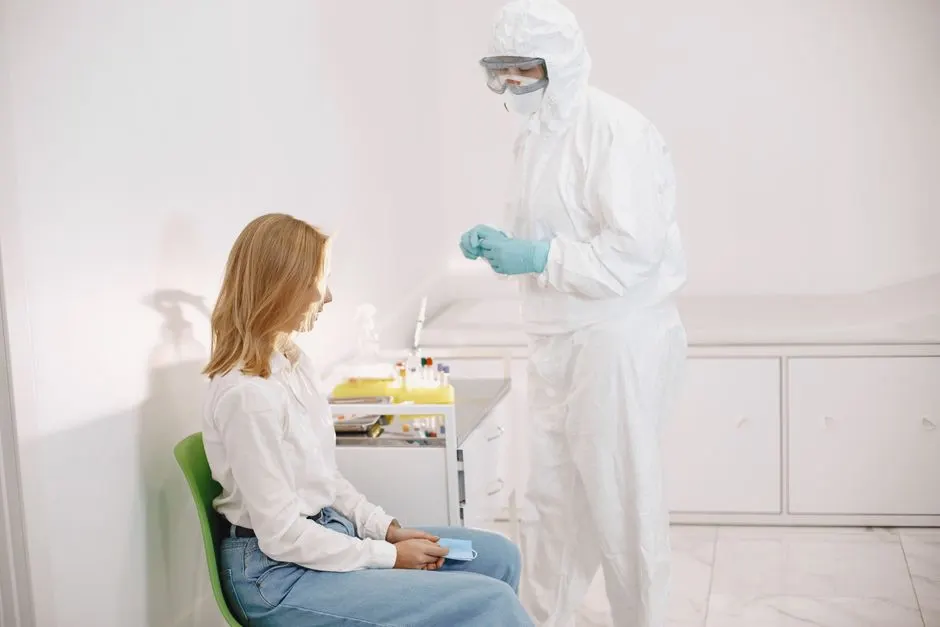
Medical professional in full PPE assisting a patient in a clinical setting.
Licensed Licensed & Bonded
Fully Insured Insured & Bonded
24/7 Emergency Same-Day Response
Warranty Backed Workmanship Guaranteed in Salt Lake City

What's Included In Clearance Testing

A clearance visit covers a visual review of the remediated area, moisture checks where accessible, targeted sampling when appropriate, and a written summary of observations and results. The exact sampling plan depends on the cleanup scope and the question you need answered. Repairs to a leak, additional remediation, or opening concealed assemblies are separate work performed by the relevant contractor.

Cleanup Area Inspection

We inspect accessible surfaces in the treated zone for visible residue, remaining suspect growth, and debris. We also look at the area immediately around the work zone when it helps determine whether the remediation boundary fits the observed conditions.

Moisture Condition Checks

We use appropriate moisture measurement tools on accessible materials and document locations with readings. The goal is to identify dampness that could compromise repairs, not to claim that a dry reading proves mold is absent everywhere in the building.

Targeted Sample Collection

When sampling is useful, we collect air or surface samples based on the site and testing question. Sample labels and locations are recorded, and laboratory handling follows documented chain-of-custody procedures.

Written Findings

Your report summarizes the inspected areas, field observations, moisture notes, sample details, and laboratory findings when applicable. We explain the result directly and identify practical follow-up if conditions do not support moving ahead with restoration.

Results Discussion

We review the report with you and answer questions about what the observations and samples establish. You can use that discussion to coordinate with your remediator, property manager, or repair contractor before the area is rebuilt or returned to use.

Post-Remediation Mold Clearance Testing Salt Lake City UT


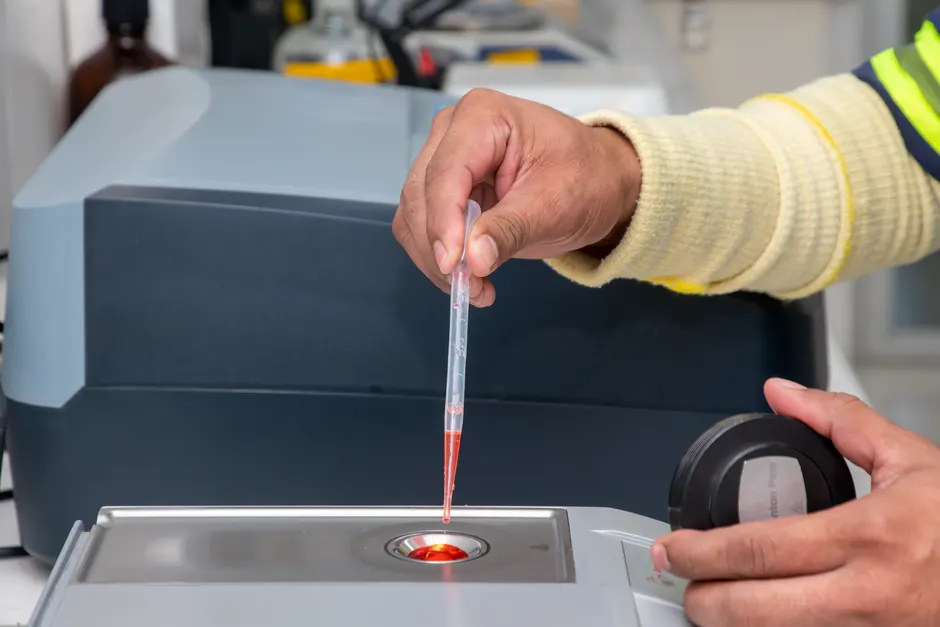
Post-Remediation Mold Clearance Testing Salt Lake City UT is an independent post-cleanup assessment that checks whether visible mold and moisture conditions have been addressed before an area is put back into service. We review the remediation work, inspect accessible surfaces, measure moisture, and collect air or surface samples where appropriate. A HEPA air sampling pump and spore trap cassette help capture airborne particles for laboratory analysis; results are interpreted alongside the site inspection, not in isolation. You receive documented observations and clear next steps.

Salt Lake City homes face winter condensation, spring snowmelt, plumbing leaks, and summer cooling-system moisture. Older basements, attic assemblies, and wall cavities can hold damp materials after the visible source is removed. Our post-remediation mold testing in Salt Lake City, Utah checks the repaired area and nearby conditions, so you can address lingering concerns before new drywall or flooring conceals them. If a cleanup follows a roof leak or basement seepage, an independent mold clearance test after cleanup Salt Lake City provides useful documentation for owners, tenants, and contractors.

What Happens During Clearance

Salt Lake City post-remediation mold clearance testing follows a defined sequence, from reviewing the cleanup scope to documenting results. We explain the visit before sampling begins, keep sample locations traceable, and tie recommendations to observed conditions rather than assumptions.

01

Schedule

Call or book online — a real human picks up and confirms a 2-hour arrival window.

02

Diagnose

Licensed tech inspects on-site, then walks you through the cause and your options.

03

Fix

The job is completed to code and done right the first time — no shortcuts, no surprises.

04

Guarantee

Every job backed by a written workmanship warranty — and we stand behind it.

Tools And Testing Methods

Tools & Equipment

Moisture meter

We check accessible building materials for moisture and compare readings with nearby reference areas. The readings help identify conditions that need drying or source repair before a finished surface is installed.

Thermal imaging camera

A thermal imaging camera shows temperature patterns that can guide closer inspection around a repaired wall, ceiling, or floor. We confirm concerns with appropriate moisture checks; thermal images alone do not diagnose mold.

HEPA air sampling pump

We use the pump with a spore trap cassette when airborne sampling is part of the clearance plan. Collection duration, sample location, and room conditions are recorded to give laboratory results useful context.

Surface sampling swab

A surface sampling swab collects material from a selected surface when a specific residue or growth question needs laboratory analysis. We document exactly where the sample came from and why that location was chosen.

Data-logging hygrometer

This instrument records temperature and relative humidity over a set period when changing indoor conditions matter. The information can help explain drying conditions or condensation concerns in the remediated space.

Methods & Standards

Visual and moisture assessment

We inspect the remediated area for visible growth, debris, and remaining suspect material, then check accessible materials for moisture. Findings are recorded by location. A clean surface does not override a damp reading, and a dry reading does not prove that every concealed cavity is clear.

Targeted air sampling

We collect air samples at selected locations when airborne conditions are relevant to the question. A comparison location may be included when the site and protocol support it. We document collection details and interpret laboratory findings with the inspection, room use, and conditions present during sampling.

Surface sampling

Surface sampling is used to assess a particular material or visible residue, not to provide a general verdict on an entire property. We select the location based on observed conditions, use an appropriate collection method, and connect the result to the location in the report.

Standards-informed review

We consider EPA guidance for mold and moisture in buildings and the IICRC S520 mold remediation standard as references for understanding cleanup and moisture control. These references inform the assessment; the report remains specific to your site observations, remediation scope, and stated testing question.

When Clearance Testing Helps

01

A Sugar House basement was remediated after a plumbing leak, and new wallboard is scheduled.

What we do: We inspect the treated wall and surrounding accessible surfaces, take moisture readings, and collect targeted samples if the project question calls for them. We document whether the area is visibly clean and whether the materials checked are dry enough for the next construction decision.

→ You get a documented checkpoint before the wall is closed, reducing the risk of concealing a remaining moisture problem.

02

A Downtown Salt Lake City office needs a post-remediation review before staff return.

What we do: We coordinate access to the affected room, check the cleanup boundary and nearby surfaces, and use an agreed sampling plan when appropriate. The report identifies which spaces were assessed and records sample locations for building management.

→ Your facilities team can make a better-informed reopening decision and keep a clear file of the inspection.

03

An Avenues attic was cleaned after a roof leak, but a musty smell remains.

What we do: We inspect accessible roof sheathing and nearby materials, check moisture indicators, and consider whether the leak repair and drying are complete. Targeted sampling is used only when it helps answer the specific concern.

→ You learn whether the remaining issue appears tied to moisture, visible residue, or another area that needs further investigation.

04

A rental unit in Central City needs clearance records after bathroom remediation.

What we do: We inspect the bathroom and affected adjoining areas, record visible conditions, and collect samples if the scope supports testing. We explain the findings in a report that the owner can share with maintenance staff and property records.

→ You have a location-specific record to support repair coordination before the unit returns to occupancy.

Clearance Work Across Salt Lake City

Salt Lake City properties see sharp seasonal shifts: cold winter nights can create condensation at exterior walls, while spring snowmelt and storms can expose foundation or roof leaks. Older houses around Capitol Hill and The Avenues may have basements, plaster walls, and attic spaces that complicate access. Newer renovations can also conceal a wet cavity behind fresh finishes. Our mold remediation clearance testing Salt Lake City UT starts with the location and history of the water event, then checks the treated zone and accessible adjoining materials. We plan sample placement around the work area rather than choosing locations at random. If you need to schedule mold clearance testing Salt Lake City UT before a contractor closes a wall, tell us when the cleanup and drying are complete so we can assess the area while it remains accessible. We serve Salt Lake County and nearby city neighborhoods, including ZIP codes 84112, 84113, and 84114. Testing documents observed conditions; it does not replace repairs required by building codes or by the source of water entry.

Neighborhoods We Serve

  • Sugar House

    Basement seepage and plumbing leaks can affect older finished rooms here. We check the remediation boundary and accessible adjacent materials before replacement finishes conceal the area.

  • The Avenues

    Roof and attic concerns can follow winter weather or flashing failures. We inspect accessible sheathing and repaired areas, documenting moisture conditions before insulation is replaced.

  • Downtown Salt Lake City

    Commercial and multi-unit work may involve shared corridors or occupied spaces. We identify the inspected rooms and sample locations clearly for building management.

  • Rose Park

    Basements and utility areas can remain damp after a leak is repaired. We compare moisture readings in the treated zone with nearby materials when access allows.

Local Conditions We Plan For

  • Winter condensation at cold exterior walls

    Condensation can keep a wall surface or nearby trim damp even after a separate leak is repaired. We document visible conditions and moisture readings so you can distinguish a completed remediation area from an ongoing humidity or insulation concern.

  • Spring snowmelt near basement foundations

    Water entry may recur if drainage or foundation conditions remain unresolved. Clearance testing checks the treated area at the time of the visit, while persistent dampness signals that the source needs attention before rebuilding.

  • Attic moisture following roof leaks

    Roof repairs do not immediately dry sheathing or insulation. We assess accessible materials and note any remaining moisture indicators before the cavity is closed or insulation is put back.

Basement Wall Cleanup Verified

Before

A Sugar House homeowner had a plumbing leak behind a basement wall. The remediator removed affected drywall and cleaned the exposed framing, but the owner still noticed a faint musty odor and had no independent moisture record. New wallboard was booked for the following week.

After

We inspected the open wall, checked accessible framing, and documented readings at the treated area and a nearby comparison location. Targeted air samples were collected as part of the agreed plan. The report recorded the conditions and gave the owner a clear basis for discussing the result with the contractor.

Maintenance: Keep the repaired plumbing accessible until it has been checked for leaks, and maintain indoor humidity near 30% to 50% when practical. Watch the wall base after heavy rain and address any new dampness promptly.

Before

A Downtown office had a ceiling leak that affected one meeting room and part of a hallway. Cleanup was finished, but staff needed a documented review before the room returned to regular use. The property manager also wanted sample locations tied clearly to the affected spaces.

After

We inspected the treated ceiling and adjacent surfaces, recorded the room conditions, and collected samples at selected locations. The written report identified the work zone, observations, and findings. Management used the documentation to coordinate the final ceiling repair and communicate the inspection outcome to staff.

Maintenance: Have the roof or plumbing source checked after major storms, and inspect the ceiling for new staining. Keep the repair record with the building file so future maintenance can compare any new moisture event with the prior work.

Before

An Avenues home had attic staining after a roof leak. The roof was repaired and affected material cleaned, but insulation replacement was on hold while the owner waited for confirmation that the accessible area was dry and ready for restoration.

After

We reviewed the cleaned section, checked accessible sheathing for moisture, and documented the inspection boundaries. The visit found no visible residue in the reviewed area and recorded readings at selected points. The owner had a clear report to share with the roofing and insulation contractors before work resumed.

Maintenance: Check the attic after heavy rain or snowmelt for fresh staining and keep roof drainage clear. If a musty odor or damp material returns, investigate the water source before adding insulation.

Resolve Post-Cleanup Mold Concerns

A completed cleanup can still leave questions about damp materials, dust, or a persistent musty odor. Post-remediation mold clearance testing Salt Lake City UT helps separate documented site conditions from assumptions, so you know whether the next step is restoration, additional cleaning, or investigation of the moisture source.

Problem

A musty odor remains after the visible mold was removed.

Odor can point to damp materials, hidden debris, or an unresolved water source; closing the area too soon can make follow-up work harder.

Our Fix

We inspect the treated room and accessible adjacent areas, check moisture where appropriate, and note conditions that could explain the odor. If samples are warranted, we collect them from locations tied to the concern. You receive findings that help direct the next conversation with your remediation or repair contractor.

Problem

The contractor finished cleanup, but no independent check was performed.

Without a documented review, owners and tenants have little information about the condition of the work zone before repairs or occupancy resume.

Our Fix

We conduct an independent mold clearance inspection Salt Lake City, documenting visible conditions, moisture observations, and any targeted samples. The report provides a clear record of what was inspected and what the findings support, giving you a practical basis for deciding whether to proceed.

Problem

A repaired basement wall still feels damp after cleanup.

Residual moisture can support renewed growth behind new finishes and may indicate that water entry or drying remains unresolved.

Our Fix

We take moisture readings at accessible locations and compare them with appropriate nearby materials. If readings or visible conditions raise concern, we identify the affected area for further drying or source investigation before it is enclosed. Testing does not replace the needed plumbing or building repair.

Problem

You need documentation before restoring a rental or office.

A missing or unclear record can delay tenant move-in, reopening, or contractor scheduling, especially when several rooms were affected.

Our Fix

We map the inspection and sample locations to the work zone and prepare a written summary that you can share with the people coordinating repairs. For a clearance test for a remediated home in Salt Lake City, that documentation helps keep the next step specific to the inspected conditions.

Clear Results, Practical Next Steps

Clear Results, Practical Next Steps

A clearance visit is useful when it answers a specific question: is the cleaned area visibly sound, dry, and consistent with the agreed sampling plan? We connect inspection observations, moisture readings, and laboratory results so you can make the next decision without guessing.

  • Verify Visible Cleanup

    We examine the remediated work zone for visible indoor mold growth, dust, debris, and remaining suspect material. The inspection documents conditions at the time of the visit and helps identify areas that need another cleaning pass. You get a practical record rather than a vague verbal assurance.

  • Check Moisture Before Rebuild

    A moisture meter helps us compare treated materials with nearby unaffected areas. We note readings and locations, then investigate dampness that could support renewed growth. This matters before installing insulation, drywall, or trim, because sealing a wet cavity can turn a completed cleanup into another repair.

  • Use Sampling With Purpose

    We select air or surface sampling based on the site, the remediation scope, and the question being answered. Mold remediation clearance testing Salt Lake City UT may include a comparison sample when useful, but a sample count is not a substitute for sound inspection and documented conditions.

  • Support Your Next Decision

    The report organizes observations, sample locations, and laboratory findings so you can discuss results with your remediator, insurer, property manager, or contractor. If the evidence supports clearance, you can move toward repairs. If it does not, the report points to the area that needs attention.

Methods And Documentation

Licensed & Certified

  • Council-certified Microbial Investigator — issued by American Council for Accredited Certification
  • Council-certified Indoor Environmental Consultant — issued by American Council for Accredited Certification
  • Council-certified Indoor Environmentalist — issued by American Council for Accredited Certification
  • ISO/IEC 17025 laboratory accreditation — issued by Laboratory accreditation program

Verified Reviews

Customer feedback Not stated

A Salt Lake City homeowner described a useful clearance visit after basement remediation: moisture readings were taken at the repaired wall, and sample locations were explained before collection. The written findings helped the homeowner decide whether to proceed with drywall replacement.

Customer feedback Not stated

A property manager appreciated that the inspection covered a rental bathroom and the adjacent hallway after cleanup. The location-specific notes and sample details made it easier to coordinate the final repair with the maintenance contractor.

Customer feedback Not stated

After an attic leak repair in Salt Lake City, a homeowner valued the moisture checks and plain-language report. The findings helped the roofing and insulation contractors understand what had been inspected before restoration continued.

Independent Testing Expertise

Salt Lake Mold Testing focuses on careful inspection and evidence-based sampling after remediation. We work from the actual cleanup scope, not a preset sample count, and distinguish moisture problems from laboratory findings. Our approach draws on EPA guidance for mold and moisture in buildings and the IICRC S520 mold remediation standard as useful references for understanding remediation practice. Where laboratory analysis is used, we document sample handling and identify the laboratory accreditation information supplied with the results. You get a clear explanation of what was observed, what was sampled, and what the findings can and cannot establish.

  • We document sample locations and collection details so your report can be matched to the remediated rooms and surfaces.
  • We use moisture readings and visual inspection alongside laboratory data rather than treating a single sample as a pass-or-fail answer.
  • We understand the practical difference between cleanup verification and diagnosing a separate, unresolved water intrusion source.
  • We can assess residential and commercial spaces, including occupied units, shared work areas, and staged renovation zones.
  • Our reporting links each finding to a location and a next step you can discuss with your remediation or repair contractor.
Get Started Today
Independent Testing Expertise

Clearance Testing Questions

Real answers to the questions we hear most often from local homeowners and property managers.

How much does post-remediation mold clearance testing cost in Salt Lake City?
A focused residential clearance visit commonly costs $250 to $650, depending on the area, inspection time, and number and type of samples. Typical 2026 pricing in Salt Lake City reflects laboratory fees and whether multiple rooms or a commercial site are involved. We explain the price before the visit. A moisture inspection without laboratory sampling costs less, while extensive containment areas or additional sample locations raise the total.
Where can I get independent mold remediation clearance testing?
Salt Lake Mold Testing provides independent mold remediation clearance testing in Salt Lake City and nearby neighborhoods. We inspect the completed work, document moisture conditions, and collect targeted samples when appropriate. If you need mold remediation clearance testing near Sugar House, we can assess a home, rental, or commercial space and explain how sample locations relate to the cleanup area.
When should mold clearance testing happen after cleanup?
Schedule testing after remediation cleaning is complete, containment is removed as planned, and the work area is dry and accessible; allow at least 24 hours after final cleaning when the project protocol calls for settling time. Your remediator should finish source repairs and remove debris first. We can coordinate the visit so testing occurs before new wallboard, insulation, or flooring covers the treated area.
What does a post-remediation mold clearance test confirm?
A clearance assessment documents visible conditions, moisture observations, and any laboratory results from the sampled locations; it does not certify that an entire building is mold-free. We check whether the remediated area appears clean and dry and whether the results are consistent with the sampling question. If residual dampness, visible growth, or concerning findings remain, we identify where follow-up is warranted.

Related Mold Services

Mold Inspection

A mold inspection investigates visible growth, musty odors, and moisture sources before or after remediation. In Salt Lake City, we can inspect adjoining rooms and accessible building materials alongside clearance work, helping you understand whether the original source has been corrected.

View Mold Inspection

Mold Testing

Mold testing uses air or surface samples to address a defined question about a property. For clearance, we select sampling locations that relate to the remediated zone and explain laboratory findings alongside site observations, rather than treating a sample as a complete building diagnosis.

View Mold Testing

Indoor Air Quality Testing

Indoor air quality testing can broaden the investigation when odors or airborne concerns remain after cleanup. We discuss the specific concern, inspect relevant spaces, and choose measurements or samples that fit the question, including whether a concern appears limited to the former work zone.

View Indoor Air Quality Testing

Mold Assessment and Written Reports

A written assessment records site conditions, moisture observations, and sampling results in one organized report. It can support your clearance decision, contractor coordination, or property file. We make findings location-specific so you can understand what was checked and what action follows.

View Mold Assessment and Written Reports

Residential Mold Inspection

Residential mold inspection checks homes for visible growth, concealed moisture indicators, and conditions around the remediated area. We can focus on a basement, bathroom, attic, or wall repair, then document whether the cleanup area appears ready for restoration.

View Residential Mold Inspection

Commercial Mold Inspection

Commercial mold inspection helps owners and managers assess remediation in offices, retail spaces, and multi-unit properties. We coordinate access to the work zone, document affected rooms, and tailor sampling to the building layout and the decisions needed before reopening or tenant occupancy.

View Commercial Mold Inspection

Book Independent Clearance Testing

If cleanup is complete but you still have concerns about moisture, odors, or visible residue, call Salt Lake Mold Testing. We inspect the work area, explain sampling options, and provide documented findings. Call +1 866-896-8166 to schedule your clearance visit in Salt Lake City, UT.

Call Today Schedule Testing

Contact Salt Lake Mold Testing

Salt Lake City homeowners and property managers can call +1 866-896-8166 to discuss a leak, odor, stain, or post-remediation concern. Our phone line is open Monday through Friday, 8:00 a.m. to 6:00 p.m.; tell us which rooms are affected and when the water event occurred. We will help you identify the inspection or testing service that fits.

Or call us right now at +18668968166 — we answer.

Salt Lake Mold Testing


  • Phone

    +18668968166
  • Address

    Salt Lake City, Utah

  • Hours

    Mon–Fri: 7AM – 7PM
    Sat: 8AM – 4PM
    Sun: Emergency Only
    24/7 Emergency Available

Call +18668968166 Get Quote
Call Quote