Logo
Get Estimate

Mold Assessment and Written Reports Salt Lake City UT

Clear findings and practical next steps for your property


Mold Assessment and Written Reports Salt Lake City UT gives homeowners, buyers, landlords, and property managers a documented picture of suspected mold and moisture. We inspect the affected areas, record conditions, and explain what the findings mean in plain language. If you have a musty odor, visible growth, water damage, or a post-remediation concern, a Salt Lake City mold assessment and written reports appointment can help you decide what to address next.

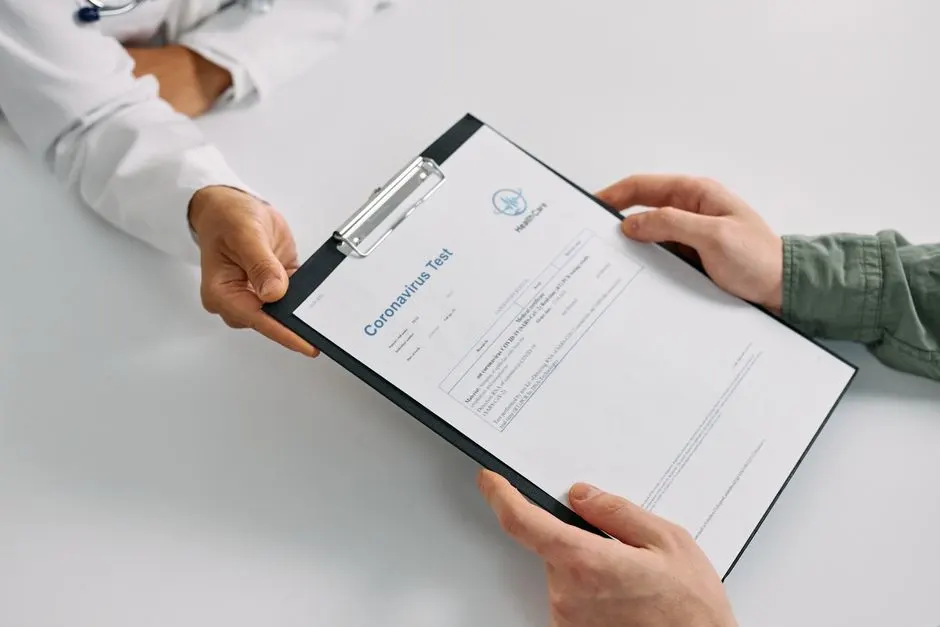
A doctor hands over coronavirus test results to a patient during a consultation in a medical clinic.
Licensed Licensed & Bonded
Fully Insured Insured & Bonded
24/7 Emergency Same-Day Response
Warranty Backed Workmanship Guaranteed in Salt Lake City

What the Written Assessment Includes

Your assessment covers the agreed areas, visual observations, relevant moisture checks, and a written account of findings. Sampling and laboratory analysis are included when they are selected for the question being investigated; they are not automatically required for every visit. We explain the methods used, identify limits such as concealed or inaccessible cavities, and connect results to practical next steps without making health claims.

Site Observations

We record the rooms and surfaces inspected, visible mold-like growth, staining, odors, and other relevant conditions. Photographs and location notes help you distinguish one affected area from another and make the findings easier to discuss with a repair professional.

Moisture Findings

Where appropriate, we take moisture readings and note the material and location measured. The report describes patterns that may relate to a leak, condensation, or damp building material. A reading is interpreted alongside the inspection, not treated as a stand-alone diagnosis.

Sampling Record

If sampling is part of the assessment, we record the sample type, collection location, and laboratory findings when available. Chain-of-custody documentation keeps each result tied to its source. We explain the purpose and limitations of air, surface, or bulk samples.

Actionable Report

Your written report summarizes the evidence and outlines practical follow-up, such as investigating a moisture source or arranging additional evaluation. It gives you a clear reference for repair discussions while distinguishing observed facts from recommendations and untested areas.

Mold Assessment and Written Reports in Salt Lake City


Mold Assessment and Written Reports Salt Lake City UT is a property assessment service that documents visible or suspected mold, moisture conditions, and relevant inspection findings so owners can make informed decisions. We review the areas you identify, look for moisture sources, take readings where appropriate, and record observations with photographs and clear location notes. When sampling is useful, we collect the agreed sample types and submit them under chain-of-custody procedures. Your report distinguishes observed conditions from lab results and gives practical next steps rather than a vague pass-or-fail label.

Salt Lake City homes face winter condensation, spring snowmelt, plumbing leaks, roof seepage, and basement or crawl-space dampness. Older plaster, masonry, and concealed wall cavities can make the source difficult to spot from a room surface. Our mold assessment in Salt Lake City, Utah, connects visible symptoms with moisture evidence and the building areas involved. If you are searching for an independent mold assessment with written report Salt Lake City UT, we document the inspection so you can discuss repairs, property decisions, or follow-up testing with a clear record.

What to Expect During Assessment

Salt Lake City mold assessment and written reports follow a clear sequence, from your first call through delivery of the findings. Tell us what you have noticed, when it began, and whether there has been a leak or repair. We then focus the visit on the concern rather than treating every building as the same job.

01

Schedule

Call or book online — a real human picks up and confirms a 2-hour arrival window.

02

Diagnose

Licensed tech inspects on-site, then walks you through the cause and your options.

03

Fix

The job is completed to code and done right the first time — no shortcuts, no surprises.

04

Guarantee

Every job backed by a written workmanship warranty — and we stand behind it.

Tools and Assessment Methods

Tools & Equipment

Moisture meter

We use a moisture meter to compare selected building materials and locate readings that deserve closer attention. Results are recorded with the material and location, then interpreted alongside visible conditions rather than presented as a diagnosis by themselves.

FLIR thermal imaging camera

A FLIR thermal imaging camera displays surface temperature patterns that can help direct inspection toward possible moisture-related areas. We verify suspicious patterns with direct examination or moisture measurements because thermal images do not independently confirm water or mold.

HEPA air sampling pump

When airborne sampling is appropriate, a HEPA air sampling pump draws a measured air sample through a spore trap cassette. We document the room and sampling conditions so laboratory results have context and are not interpreted as a complete building survey.

Surface sampling swab

A surface sampling swab collects material from a selected area for laboratory analysis when identification can help answer the assessment question. We label the location and connect the result to nearby visual and moisture findings in your report.

Data-logging hygrometer

A data-logging hygrometer records temperature and relative humidity over time when changing indoor conditions are relevant. The readings can help assess condensation concerns, but they are considered alongside building materials, ventilation, and observed moisture.

Methods & Standards

Visual and moisture assessment

We begin with the reported concern and inspect accessible surfaces, materials, and related areas. Moisture readings are taken at selected points and compared with surrounding conditions. The report records locations and observations, helping you see what evidence supports each conclusion without implying that inaccessible cavities were inspected.

Targeted sample collection

We select air, surface, or bulk sampling based on the question and the area being assessed. Each sample is labeled by location and handled with chain-of-custody documentation. Results are interpreted with the inspection evidence, because a sample represents its collection point and conditions, not every room in the building.

Moisture-source context

We consider how water may reach or remain in the affected materials, including plumbing leaks, roof entry, condensation, and basement dampness. EPA guidance for mold and moisture in buildings informs practical documentation. Your report identifies observed conditions and reasonable follow-up without assigning a cause that the evidence cannot establish.

Post-remediation review

For a follow-up assessment, we review the designated work area and document visible conditions and any agreed sampling. The report states the area reviewed, methods used, and results available at the time. This creates a clear record for comparison with the remediation work while recognizing that hidden or inaccessible areas have limits.

When to Request an Assessment

01

A Sugar House homeowner notices a basement odor after snowmelt and a damp patch along the foundation wall.

What we do: We inspect the affected wall and nearby accessible areas, document staining and moisture readings, and look for patterns consistent with water intrusion. If a sample is useful, we explain what it can answer before collecting it. Your report records the locations and distinguishes current observations from assumptions about concealed materials.

→ You get a focused record to guide a drainage or repair discussion and identify whether follow-up assessment is warranted.

02

A buyer in The Avenues finds a ceiling stain and wants documented findings before making a property decision.

What we do: We assess the visible stain, nearby surfaces, and accessible attic area when relevant. We record moisture conditions and any sample results, then explain what can and cannot be concluded from the inspection. The report gives you specific findings to discuss with the seller or your building professional.

→ You can ask targeted questions about the source, repair history, and next inspection steps instead of relying on the stain alone.

03

A Downtown Salt Lake City property manager needs documentation after tenants report an odor near an HVAC component.

What we do: We inspect accessible components and nearby surfaces, note the reported room conditions, and document visible evidence. If air or surface sampling is appropriate, we connect each sample to its location in the report. We also identify access limitations so maintenance staff know which areas were actually reviewed.

→ The property manager receives a clear account for maintenance planning and tenant communication, with evidence separated from unverified causes.

How Assessments Work in Salt Lake City

Mold assessment in Salt Lake City, Utah, needs to account for both a dry regional climate and indoor water problems. Winter temperature differences can produce condensation on cold windows, exterior walls, and poorly insulated attic surfaces. Spring snowmelt and roof leaks can introduce water, while older homes may have plaster, masonry, or finished basements that conceal damp materials. We focus the inspection on the building history and the reported location instead of assuming that a dry outdoor climate rules out indoor moisture. In Sugar House, an older basement may need careful moisture mapping; in the Avenues, roof and attic conditions can matter after storms. We serve Salt Lake County and prepare records for homes, rentals, and commercial spaces. If you are seeking a written mold inspection report for a Salt Lake City home, tell us about the leak history, recent repairs, and any rooms where odors change with weather. Our assessment documents what is observable and clearly marks areas that need separate access or follow-up.

Neighborhoods We Serve

  • Sugar House

    Older basements and additions can create varied wall and floor materials. We record which surfaces were checked and compare damp readings with nearby areas.

  • The Avenues

    Roof edges, attic surfaces, and older building assemblies can be relevant after a leak. We document accessible conditions and note any limits to attic access.

  • Downtown Salt Lake City

    Mixed residential and commercial buildings call for clear room and unit identification. We label observations by location so property records remain useful.

  • Rose Park

    Basement moisture and plumbing events can affect different materials in the same property. We focus readings and documentation on the reported water path.

Local Conditions We Plan For

  • Winter condensation forms on cold surfaces during indoor heating

    Repeated condensation can dampen window frames, exterior-wall corners, or attic materials even without a plumbing leak. We document the affected location and relevant humidity or moisture observations, helping distinguish a recurring condensation pattern from a one-time water event.

  • Spring snowmelt or roof leaks wet concealed building materials

    Water can travel from an entry point before appearing as a stain indoors. We inspect the reported area and related accessible spaces, record evidence, and identify where additional access may be needed to determine the full extent.

  • Older basements retain dampness after plumbing or foundation seepage

    Masonry, framing, and stored materials respond differently to moisture. We record the affected material and reading locations rather than relying on a single basement measurement, giving you a more useful picture for maintenance planning.

Basement Leak, Clear Record

Before

A homeowner had repaired a supply-line leak but still noticed a musty smell near the basement storage wall. The surface looked dry, and no one had recorded how far moisture had traveled. They needed a documented assessment before arranging additional finish work.

After

We recorded moisture readings at 6 wall locations and photographed the affected area and adjacent surfaces. The report identified 2 locations needing follow-up and noted that other checked points were comparatively dry. The homeowner had a location-specific record to share with the repair contractor.

Maintenance: Keep the repaired line accessible and check the wall after heavy use or another leak. A prompt moisture check after future water events helps catch damp materials before finishes are replaced.

Before

A Salt Lake City homeowner found a brown mark on an upstairs ceiling after a storm. The roof had been patched, but the attic side of the ceiling had not been documented, leaving uncertainty about the area affected.

After

We inspected accessible attic surfaces, photographed the staining, and measured selected materials. The written report recorded 4 inspection locations and separated the repaired roof concern from the current observations. The owner used the findings to direct a focused follow-up rather than opening unrelated ceiling areas.

Maintenance: After roof repairs, check the attic after the next significant rain or snowmelt event. Record any new staining and address roof drainage or ventilation concerns promptly.

Before

A tenant reported a persistent odor near an exterior wall, but the property file contained no photos, moisture readings, or clear inspection notes. The manager needed a factual account to coordinate maintenance and respond to the report.

After

We documented the room, accessible wall surfaces, odor location, and moisture readings at 5 points. The report included photographs and specific follow-up recommendations. The manager could assign maintenance tasks against named locations instead of relying on an informal description.

Maintenance: Keep the report with the property's maintenance record and log any repairs or repeat moisture events. If the odor returns, compare the new location and conditions with the assessment notes.

Resolve Uncertainty With Mold Findings Documentation

A stain, odor, or lab result on its own rarely explains the full building condition. Our assessment connects observations with moisture evidence and clearly identifies what was inspected. That gives you a usable starting point when a leak, hidden growth concern, or repair question has stalled.

Problem

Persistent musty odor with no visible source in the room

The odor can continue while a moisture source or affected material remains unnoticed, making it difficult to choose a useful repair or determine which area needs closer evaluation.

Our Fix

We inspect the reported room and related accessible areas, check for moisture patterns, and document visible conditions. If sampling can help answer a defined question, we explain the method and include the result with its location. Your report shows what was checked and which concealed areas remain outside the visual assessment.

Problem

Water intrusion leaves damp materials behind finished walls

A repaired leak does not confirm that adjacent materials dried. Without documented readings and inspection notes, owners may overlook continuing dampness or treat a small surface stain as the whole problem.

Our Fix

We trace the concern from the reported leak area, use moisture measurement where appropriate, and document affected materials and accessible boundaries. If hidden mold behind walls is suspected, we state what the assessment can establish and whether additional access or testing is needed, giving you a specific basis for the next repair decision.

Problem

Post-remediation concerns lack a clear condition record

Without a documented follow-up, owners and occupants may disagree about what was cleaned, what areas were checked, or whether visible concerns remain after the work.

Our Fix

We inspect the designated area, document its observable condition, and perform agreed sampling when appropriate. The report identifies the area reviewed and the methods used, so you can compare the findings with the remediation scope and keep a clear record of the follow-up assessment.

Useful Findings, Clear Next Steps

Useful Findings, Clear Next Steps

A good report helps you act on evidence instead of guessing. We document what we observe, where we observe it, and which questions remain unanswered, giving you a usable record for repair planning, property discussions, or follow-up assessment.

  • Know What Was Observed

    Your report identifies inspected rooms and surfaces, visible indoor mold growth, moisture readings, and relevant photographs. We note the limits of access too, so a damp reading at one wall is not presented as proof of a hidden condition elsewhere. The record gives you specific locations to review with a contractor or property representative.

  • Connect Mold With Moisture

    Mold conditions are easier to address when the water source is considered alongside the visible growth. We check for water intrusion, condensation, and damp building materials, then describe the relationship between findings. A moisture meter helps us compare readings at affected and unaffected areas without treating one measurement as a complete diagnosis.

  • Make Sampling Purposeful

    Sampling is selected to answer a defined question, such as whether airborne spores differ between rooms or whether a surface has suspected growth. We explain sample locations and methods in your written mold inspection report Salt Lake City UT, so you can understand what was tested and what a result does not establish.

  • Keep a Practical Record

    A dated report with photographs and location notes can support a repair discussion, purchase decision, or post-remediation review. We organize findings so you can share them with the relevant parties. It is a record of conditions observed during the assessment, not a guarantee that hidden areas are free of mold.

Standards and Documentation

Licensed & Certified

  • Council-certified Microbial Investigator — issued by American Council for Accredited Certification
  • Council-certified Indoor Environmental Consultant — issued by American Council for Accredited Certification
  • Council-certified Indoor Environmentalist — issued by American Council for Accredited Certification
  • AIHA Laboratory Accreditation Programs — issued by American Industrial Hygiene Association

Verified Reviews

Customer feedback Not stated

The report gave us a clear record of the basement wall readings and the areas checked after a leak. We appreciated that the findings separated what was visible from what still needed follow-up. It was useful for our repair discussion in Salt Lake City.

Customer feedback Not stated

We needed documentation before making a decision on a home in The Avenues. The assessment notes were specific about the attic access, ceiling stain, and sample results. The explanation was direct, and we knew which questions to take back to the seller.

Customer feedback Not stated

Our rental had a musty odor near an exterior wall. The technician recorded the room, readings, and photographs, then gave us a report we could use to coordinate maintenance. The location details made the next steps much clearer for our Salt Lake City property.

Assessment Grounded in Field Practice

Our local experience includes residential concerns, rental-property questions, water-damage follow-up, and commercial building assessments across Salt Lake City. We use a measured approach: observe first, identify moisture clues, then sample when results can answer a specific question. Our reports separate visual evidence, instrument readings, and laboratory findings instead of blending them into one unsupported conclusion. We follow applicable EPA guidance for mold and moisture in buildings and use recognized sampling and documentation practices. Where a credentialed investigator leads an assessment, we identify the relevant qualification accurately and explain its role in the work.

  • We document sample locations, collection methods, and chain-of-custody details so laboratory results remain tied to the right room or surface.
  • A moisture meter helps compare damp building materials with nearby reference areas; readings are recorded with their location and context.
  • We assess attic, basement, and HVAC concerns as distinct building conditions rather than assuming one inspection method fits every space.
  • When sampling is selected, we use suitable media such as spore trap cassettes or surface swabs and explain the question each sample addresses.
  • Our reports distinguish observed mold-like growth from confirmed laboratory identification and explain access limits in plain terms.
Get Started Today
Assessment Grounded in Field Practice

Common Questions About Mold Reports

Real answers to the questions we hear most often from local homeowners and property managers.

How much does a mold assessment and written report cost in Salt Lake City?
A residential assessment with a written report commonly costs $250 to $700 in Salt Lake City in 2026, depending on size, access, and sampling. The base visit documents visible conditions and moisture concerns; laboratory analysis or additional sample locations can add cost. Before booking, we explain the price for the work you describe. A larger commercial property or multiple affected areas requires more inspection time and may fall outside that range.
Where can I get mold evaluation and documentation near me?
Salt Lake Mold Testing provides mold evaluation and documentation in Salt Lake City, including Downtown, Sugar House, The Avenues, and nearby neighborhoods. Call +18668968166 and describe the property, suspected area, and any recent leak or water event. We will explain the assessment approach and report deliverable for your situation. For a written mold inspection report for a Salt Lake City home, having photos and repair history ready helps us focus the visit.
What information is included in a mold inspection report?
A mold report records the inspected areas, visible conditions, moisture observations, assessment methods, photographs when available, and any sample results. It also identifies sample locations and explains relevant limitations, such as inaccessible wall cavities. Lab findings are reported separately from visual observations. Your report includes practical next steps tied to the evidence, but it does not diagnose health conditions or guarantee that every concealed area is mold-free.
How soon will I receive my written mold assessment?
You usually receive a visual-assessment report within 1 to 2 business days after the site visit; reports with laboratory samples commonly take 3 to 5 business days after the lab receives them. Timing depends on the selected analysis and the number of samples. We explain the expected delivery window when we confirm the assessment plan, and we review the findings with you once the report is ready.

Related Property Assessment Services

Mold Inspection

A mold inspection identifies visible growth, moisture clues, and affected building areas. In Salt Lake City, we can pair the site inspection with a written report so you have room-by-room observations and practical follow-up points rather than a verbal summary alone.

View Mold Inspection

Mold Testing

Testing adds laboratory analysis when a defined question calls for it. We collect suitable samples, record their locations, and connect the results to your assessment findings. The report explains what the analysis indicates and avoids treating a single sample as a whole-building conclusion.

View Mold Testing

Indoor Air Quality Testing

Indoor air quality testing can help investigate airborne particles or suspected mold concerns in a specific room. We document sampling conditions and locations, then include relevant results in the assessment record so you can compare findings with the reported odor or moisture issue.

View Indoor Air Quality Testing

Residential Mold Inspection

A residential assessment focuses on the rooms and building systems affecting your household, such as a basement, bathroom, attic, or HVAC area. We document observations and moisture readings in a report you can use to plan repairs or discuss a property concern.

View Residential Mold Inspection

Commercial Mold Inspection

Commercial properties need clear records of affected areas, access conditions, and sampling locations. We assess the reported concern and prepare documentation for building owners or managers to use in maintenance planning, tenant communication, and follow-up evaluation.

View Commercial Mold Inspection

Pre-Purchase Mold Inspection

A pre-purchase assessment documents visible mold-like growth, moisture clues, and areas of concern before a property decision. The written findings give you a focused record to discuss with the seller or your building professional, especially when a musty odor or prior leak is reported.

View Pre-Purchase Mold Inspection

Book Mold Assessment and Written Reports Salt Lake City UT

Get a clear record of the mold or moisture concern affecting your property. Call Salt Lake Mold Testing at +18668968166 to discuss the affected areas and arrange an assessment. We explain the findings in plain language and provide a report you can use for your next step.

Call Today Book Assessment

Contact Salt Lake Mold Testing

Salt Lake City homeowners and property managers can call +1 866-896-8166 to discuss a leak, odor, stain, or post-remediation concern. Our phone line is open Monday through Friday, 8:00 a.m. to 6:00 p.m.; tell us which rooms are affected and when the water event occurred. We will help you identify the inspection or testing service that fits.

Or call us right now at +18668968166 — we answer.

Salt Lake Mold Testing


  • Phone

    +18668968166
  • Address

    Salt Lake City, Utah

  • Hours

    Mon–Fri: 7AM – 7PM
    Sat: 8AM – 4PM
    Sun: Emergency Only
    24/7 Emergency Available

Call +18668968166 Get Quote
Call Quote