Logo
Get Estimate

Attic Mold Inspection Salt Lake City UT: Find the Source

Clear attic findings for homeowners facing moisture or mold concerns


Attic Mold Inspection Salt Lake City UT helps you identify visible growth, hidden moisture, and ventilation problems before they spread into living areas. We inspect roof framing, sheathing, insulation, and ventilation pathways for homeowners dealing with a musty odor, a roof leak, or winter condensation. Our Salt Lake City attic mold inspection documents what we find and points to practical next steps, so you can make decisions based on evidence rather than guesswork.

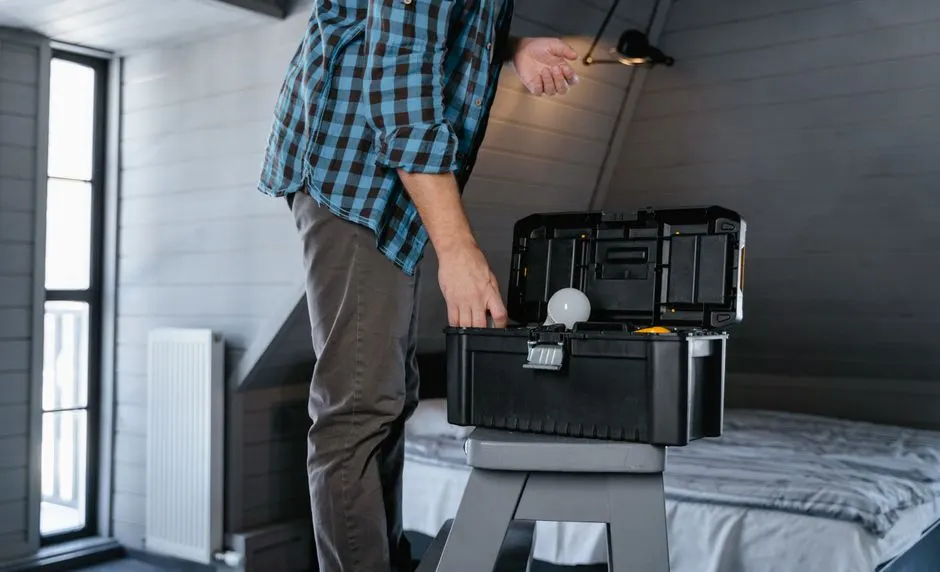
Person in plaid shirt fixing a light bulb using a toolbox in a rustic attic interior.
Licensed Licensed & Bonded
Fully Insured Insured & Bonded
24/7 Emergency Same-Day Response
Warranty Backed Workmanship Guaranteed in Salt Lake City

What Attic Inspection Covers

Your attic inspection covers accessible roof framing, sheathing, insulation, ventilation openings, exhaust routing, and visible signs of water entry or mold-like growth. We record moisture conditions and explain the observations. Laboratory sampling is an additional option when identification or airborne conditions need testing; it is chosen to answer a specific question, not assumed as part of every visit.

Visual Attic Survey

We inspect accessible rafters, roof sheathing, trusses, insulation, eaves, and penetrations for visible growth, staining, deterioration, and damp building materials. Photographs help identify exactly where each condition appears so you can connect findings to a repair location.

Moisture Readings

We take moisture meter readings at suspect materials and compare them with nearby reference areas. A pattern of readings is more useful than an isolated number because it helps show whether dampness is concentrated near a leak or spread across a roof plane.

Ventilation Review

We check visible soffit, ridge, and other ventilation pathways for blockage or obvious imbalance, and trace accessible bathroom exhaust ducts. We note conditions that could contribute to condensation, while avoiding unsupported claims about airflow where direct measurement has not been performed.

Photo Documentation

We photograph relevant findings and record their location, material, and relation to likely moisture sources. This gives you a useful reference for a roofer or remediation contractor and reduces confusion when several stains or repair areas are present.

Sampling Guidance

When a laboratory sample would clarify a defined concern, we explain the sample type and collect from a documented location. Results are interpreted alongside visible conditions and moisture evidence. If sampling will not change the next step, we explain why it may not be useful.

Attic Mold Inspection Salt Lake City UT


Attic Mold Inspection Salt Lake City UT is a targeted building assessment that checks attic materials and moisture conditions for mold growth, water entry, and ventilation failures. We examine accessible rafters, roof sheathing, insulation, eaves, and exhaust terminations, then use a moisture meter to compare suspect areas with dry reference points. When visual evidence is unclear, we discuss appropriate sampling rather than treating every stain as mold. You receive findings tied to locations and likely moisture sources, not a guess based on odor alone.

Cold-season temperature swings, snowmelt, roof leaks, and bathroom fans discharging into an attic can leave damp wood in Salt Lake City homes. We look for condensation-related mold growth as well as water intrusion, compressed insulation, blocked soffit paths, and staining around penetrations. If you are wondering how to check an attic for mold after a roof leak Salt Lake City, our inspection traces visible damage and moisture patterns back toward the entry point, then records whether affected materials are still damp.

What Happens During Inspection

Salt Lake City attic mold inspection follows a documented sequence: we review the concern, inspect accessible areas, record moisture conditions, and explain findings before recommending next steps. Most residential visits take about 1.5 to 3 hours, depending on access, attic size, and the number of affected areas.

01

Schedule

Call or book online — a real human picks up and confirms a 2-hour arrival window.

02

Diagnose

Licensed tech inspects on-site, then walks you through the cause and your options.

03

Fix

The job is completed to code and done right the first time — no shortcuts, no surprises.

04

Guarantee

Every job backed by a written workmanship warranty — and we stand behind it.

Tools and Inspection Methods

Tools & Equipment

Tramex Moisture Meter

We use a Tramex moisture meter to compare suspect wood or other suitable materials with nearby reference areas. Readings help locate moisture patterns; they do not identify mold on their own.

FLIR Thermal Imaging Camera

A FLIR thermal imaging camera helps screen for temperature differences that may point to a moisture or insulation concern. We verify relevant patterns with direct observation and moisture measurements.

Protimeter Moisture Meter

A Protimeter moisture meter provides another way to assess suspect materials during a focused inspection. We record readings with their locations and interpret them alongside visible conditions and the construction materials involved.

Borescope

A borescope can help view a restricted cavity through an existing opening when direct access is limited. We use it selectively and explain that a small viewing area cannot represent every concealed surface.

Air Sampling Pump

A HEPA air sampling pump can collect an air sample when airborne conditions are part of the inspection question. We select a suitable collection location and interpret the lab result with the building observations.

Methods & Standards

Visual and Moisture Mapping

We record visible conditions by location, then take moisture readings across suspect and comparison areas. This approach helps distinguish a concentrated leak pattern from broader dampness and supports practical decisions about drying, repair, and follow-up.

Targeted Surface Sampling

When material identification would help answer a defined question, we collect a surface sample from a documented attic location. We use appropriate collection materials, label the sample, and maintain chain-of-custody information for laboratory handling. A result is considered with the material condition and moisture history.

Air Sampling When Indicated

Air sampling is selected when the concern involves airborne particles or possible movement from the attic to occupied rooms. We choose locations based on the question and interpret findings in context. A single air result does not locate growth, establish a source, or replace a physical inspection.

EPA and IICRC Reference

We use EPA guidance for mold and moisture in buildings to support practical inspection recommendations. When remediation planning is relevant, we explain how observations relate to the IICRC S520 mold remediation standard. These references inform decisions; they do not replace site-specific evidence.

When to Inspect Your Attic

01

A winter cold snap leaves droplets, frost, or dark marks on roof sheathing above a bedroom.

What we do: We inspect the affected roof plane, compare moisture readings, and check nearby ventilation openings and exhaust routes. We document whether materials are currently damp and whether the pattern suggests condensation or a localized water entry point. If visual evidence is inconclusive, we discuss targeted sampling.

→ You get a clearer explanation of the likely moisture source and a focused list of areas to correct or monitor before the next cold period.

02

A roofer repaired flashing, but a ceiling stain or musty odor remains after the leak.

What we do: We examine accessible framing and insulation beneath the repair area, looking for remaining moisture and the path water followed. Photos and readings record what is still affected. We can recommend follow-up testing if the appearance alone cannot resolve whether suspected material is mold.

→ You can separate the completed roof repair from any remaining attic drying, material, or odor concern and plan the right follow-up.

03

A home purchase in Central City includes attic staining and no clear record of prior repairs.

What we do: We inspect accessible attic materials and ventilation, document visible staining, and measure suspect areas for moisture. We explain which observations indicate current conditions and which appear consistent with older damage. Sampling is considered only when it would clarify a decision.

→ You receive specific attic findings to discuss during the purchase process, rather than relying on a broad statement that the roof space looks fine.

04

A bathroom remodel changes fan ducting, followed by a new odor in the attic.

What we do: We trace accessible exhaust routing and inspect the nearby roof deck and insulation for condensation or dampness. Our notes identify any visible duct termination problem and the materials around it. We also check other likely moisture sources before attributing the odor to one cause.

→ You can address the exhaust route and understand whether the surrounding materials need drying, cleaning, or a separate assessment.

How Attic Inspections Work in Salt Lake City

Salt Lake City attic mold inspection accounts for a high-desert climate with cold winter nights, warm indoor air, and seasonal changes that can expose roof ventilation weaknesses. In November and through winter, we pay close attention to frost or condensation patterns, bathroom exhaust routing, and damp sheathing after temperature swings. Spring snowmelt and wind-driven rain can reveal roof leaks that were less obvious during dry weather. Older homes around Capitol Hill and The Avenues may have tight eaves, layered insulation, or limited attic access; newer remodels can introduce exhaust ducts that were not routed outdoors correctly. We assess accessible construction and document restrictions rather than assuming every roof space is alike. For a homeowner who needs attic moisture inspection near Sugar House, we check the reported area, nearby roof penetrations, and ventilation paths, then explain what the evidence supports. We also serve Salt Lake County neighborhoods in 84114 and 84113, with visits available across the listed Salt Lake City service area. Our findings focus on moisture control, not a one-size-fits-all mold treatment.

Neighborhoods We Serve

  • The Avenues

    Older rooflines and tight eaves can make access and ventilation paths less straightforward. We document the accessible roof deck and note any areas that cannot be safely reached.

  • Sugar House

    Remodels and bathroom upgrades can change exhaust routing. We check accessible ducts and nearby sheathing when a musty odor or new staining follows renovation work.

  • Capitol Hill

    Homes with varied roof geometry may have several valleys and penetrations to inspect. We trace visible water marks toward likely entry points rather than relying on one stain.

  • Rose Park

    After roof repairs or wind-driven rain, attic inspection can help establish whether insulation and framing are dry. We compare readings around the reported leak area.

Local Conditions We Plan For

  • Cold outdoor temperatures meet warm, humid air leaking into the roof space

    Condensation can form on cold sheathing, especially near air leaks or blocked ventilation. We look for recurring moisture patterns and inspect accessible fan ducts and openings to identify likely contributors.

  • Snowmelt or wind-driven rain enters through roof details

    Water may travel along framing before appearing as a ceiling stain, making the visible mark an unreliable guide to the entry point. We examine nearby penetrations and document the observed path where accessible.

  • Insulation or stored materials obstruct attic airflow

    Blocked intake paths can reduce drying and contribute to persistent dampness at the roof deck. We note visible obstructions and explain which ventilation conditions deserve review by a roofing or insulation contractor.

Roof Leak Near Flashing

Before

A homeowner noticed a brown ceiling mark beneath repaired flashing and a damp, musty smell in the attic. The leak had stopped during dry weather, but the insulation near the roof deck remained compressed and the source of the odor was uncertain.

After

Inspection documented moisture at two framing points near the flashing and dry reference readings farther down the roof plane. Photographs showed the affected area and the likely water path. The homeowner had a specific location to review with the roofer and a record for checking dryness after repair.

Maintenance: After the roof detail is corrected, recheck the affected framing and insulation for dryness before covering or replacing materials. Keep the ceiling mark photographed and note whether odor returns after rain.

Before

Dark marks appeared on roof sheathing after several cold nights, while no roof leak was reported. A bathroom fan duct ended short of an exterior termination, leaving the homeowner unsure whether the staining was old or still developing.

After

The inspection recorded moisture readings in the affected area and compared them with nearby sheathing. The duct route and ventilation openings were photographed. The findings connected the concern to an exhaust pathway requiring correction, while the material condition was documented for follow-up.

Maintenance: Route the fan exhaust outdoors and keep visible ventilation openings clear. Recheck the same sheathing locations after a cold-weather period; compare the condition with the inspection photographs rather than relying on memory.

Before

A homeowner smelled a musty odor in an upstairs room but saw no obvious ceiling damage. The attic contained several old marks, and there was no clear way to tell whether any area was damp or actively affected.

After

The inspection mapped accessible suspect areas, recorded comparative moisture readings, and photographed the marks. No single reading or stain was treated as a diagnosis. The homeowner received a documented distinction between dry staining and the locations that needed continued attention.

Maintenance: Address any confirmed moisture source, then monitor the documented locations after rain and during the next cold season. If odor persists despite dry materials, consider a targeted indoor assessment rather than repeating an attic-only visual check.

Solve Attic Moisture and Mold Concerns

A damp attic can hide the cause of a ceiling stain long after the visible leak has stopped. We inspect the roof space, record current conditions, and connect observations to likely moisture pathways so you can address the source and decide whether testing or remediation is warranted.

Problem

A persistent musty odor with no visible ceiling stain

Odor can point to damp insulation or hidden growth, and the source may remain above the ceiling even when rooms look clean.

Our Fix

We inspect accessible attic areas for water marks, damp materials, and ventilation problems, then compare suspect locations with dry reference points. If the odor source remains uncertain, we explain whether targeted sampling or a broader indoor inspection would provide useful evidence.

Problem

Dark roof sheathing marks after winter condensation

Repeated condensation can keep wood damp and allow visible growth to develop, particularly where ventilation is restricted or indoor air leaks upward.

Our Fix

We check roof framing, sheathing, intake and exhaust openings, and accessible exhaust ducts. Moisture readings and photographs help distinguish active dampness from dry staining. We identify contributing conditions so you can discuss ventilation or air-sealing corrections with the appropriate contractor.

Problem

Insulation and framing became wet after a roof leak

Wet insulation dries slowly when buried against the roof deck, while damp framing may remain concealed after the ceiling stain fades.

Our Fix

We trace visible water patterns around roof penetrations and assess accessible materials for moisture. The inspection records the extent we can see and whether affected areas remain damp. You can then plan drying, roof repair, and any needed follow-up without covering wet materials.

Problem

Bathroom exhaust terminates inside the attic

Warm, humid exhaust can condense on cold roof surfaces, adding moisture even when the roof has no leak.

Our Fix

We inspect accessible duct routing and nearby sheathing for moisture or staining, then document the termination and affected area. Your report identifies the observed condition and gives you a practical basis for correcting the exhaust route and checking whether materials need further attention.

Useful Findings, Clear Next Steps

Useful Findings, Clear Next Steps

A careful inspection gives you a practical picture of what is happening above the ceiling. We separate visible conditions from suspected causes, show you the affected areas, and explain which findings call for repair, testing, or monitoring.

  • Locate Moisture Sources

    We check roof penetrations, valleys, vents, and plumbing or fan exhaust routes for signs of active or past water entry. Moisture readings at several points help distinguish a localized leak from broader condensation. That gives you a clearer repair target before damp insulation or sheathing is covered up.

  • Understand What Is Mold

    Dark marks on roof sheathing are not automatically mold, and a musty smell alone does not identify its source. We document visible growth and material condition, then recommend sampling when it answers a specific question. Your report separates observed evidence from conclusions that require laboratory analysis.

  • Protect Indoor Spaces

    Attic conditions can affect rooms below when air moves through ceiling gaps, recessed lights, or service penetrations. We note pathways that could carry dust or elevated airborne mold spores into living areas. If your concern reaches beyond the attic, we can discuss whether indoor air sampling is appropriate.

  • Plan Repairs Precisely

    A location-based record helps a roofer, insulation contractor, or remediation professional focus on the affected area instead of opening up sound materials. We identify the observed extent, moisture readings, and likely contributing conditions, giving you a useful starting point for corrective work.

Inspection Standards and Proof

Licensed & Certified

  • Council-certified Microbial Investigator — issued by American Council for Accredited Certification
  • Council-certified Indoor Environmental Consultant — issued by American Council for Accredited Certification
  • Council-certified Indoor Environmentalist — issued by American Council for Accredited Certification

Verified Reviews

Google ★★★★★4.9

Our attic inspection in Sugar House located damp sheathing near an old roof repair and showed us the readings beside a dry area. The report explained why the bathroom fan route mattered and gave us useful photos for the roofer. We left with a clear order of work instead of a broad mold warning.

Yelp ★★★★★5.0

The inspector checked the attic after we noticed a musty odor in our Rose Park home. They explained which marks were staining and where moisture was actually present. We also appreciated the explanation that thermal images help screen for patterns but do not prove mold. The inspection was thorough and easy to follow.

Google ★★★★★4.8

We needed an attic check after winter condensation in our Capitol Hill house. The technician documented the roof sheathing, vents, and exhaust duct, then explained what needed correction and what should be rechecked. The findings were specific to our attic, and we could share the photographs with our contractor.

Attic Inspection Expertise

Salt Lake City attic mold assessment combines building observation with moisture-focused inspection, not a quick look from the hatch. Our team evaluates how roof design, insulation, ventilation, and indoor humidity interact in the specific home. We use established inspection practices and applicable EPA guidance for mold and moisture in buildings, and we document the limits of access and testing. Where laboratory analysis is requested, samples are submitted with identifying information and chain-of-custody forms. We do not claim a business tenure or credential that has not been established; we focus on clear observations, accurate records, and recommendations connected to the evidence.

  • We compare suspect wood with nearby dry areas using a Tramex or Protimeter moisture meter when appropriate.
  • We examine bathroom and kitchen exhaust routing, soffit openings, ridge vents, and visible obstructions.
  • We use FLIR thermal imaging as a screening aid, then verify anomalies with direct inspection and moisture readings.
  • We document the location and condition of visible growth before recommending targeted sampling or source correction.
  • We explain how inspection findings relate to the IICRC S520 mold remediation standard when remediation planning is relevant.
Get Started Today
Attic Inspection Expertise

Frequently Asked Questions

Real answers to the questions we hear most often from local homeowners and property managers.

How much does attic mold inspection cost in Salt Lake City?
A residential attic inspection commonly costs $250-$650, with laboratory sampling priced separately when requested. Typical 2026 pricing in Salt Lake City depends on attic size, safe access, visible damage, and how many samples are needed. We explain the price before work begins. A straightforward visual and moisture evaluation costs less than a complex inspection involving multiple sample types or difficult access.
Who offers attic mold assessment near me?
Salt Lake Mold Testing provides attic mold assessment in Salt Lake City, Utah, including visual inspection, moisture mapping, and optional sampling. If you searched for attic mold inspection near me Salt Lake City UT, call +1 866-896-8166 to discuss the odor, leak, or visible staining you have noticed. We will help determine whether an attic-focused inspection fits the concern and what information to prepare.
What causes attic mold in cold-weather homes?
Attic mold usually develops when moisture persists on roof framing or sheathing, often from condensation, roof leaks, or exhaust air entering the attic. In cold weather, warm indoor air can reach cold roof surfaces and condense; blocked ventilation and damp insulation can prolong drying. We check ventilation paths, fan ducts, roof penetrations, and moisture readings to identify the likely contributor rather than treating the growth alone.
Should I inspect attic mold after a roof leak?
Yes, schedule an inspection after a roof leak if insulation, framing, or ceiling materials became wet, especially if odor or staining remains after the leak is repaired. An attic moisture inspection near Sugar House can document whether materials are still damp and how far the water traveled. We record affected areas and discuss targeted sampling if visible conditions do not answer your question.

Related Inspection Services

Mold Inspection

A whole-property mold inspection can put attic findings in context when musty odors or staining also appear in bedrooms, closets, or the basement. We compare affected areas, look for shared moisture pathways, and document whether the concern is limited to the roof space or extends into occupied rooms.

View Mold Inspection

Mold Testing

Testing adds laboratory evidence when visual inspection cannot answer a specific question about suspected growth. We select an appropriate sample type, document the collection location, and explain what the results can and cannot establish. Testing supports an attic inspection; it does not replace tracing the moisture source.

View Mold Testing

Indoor Air Quality Testing

When attic concerns coincide with indoor odors or symptoms, indoor air quality testing can help assess airborne particles in selected rooms. We compare indoor samples with appropriate reference conditions and interpret results alongside the building inspection. The goal is to understand whether the attic concern may relate to occupied spaces.

View Indoor Air Quality Testing

Mold Assessment and Written Reports

A written assessment organizes observations, moisture readings, photographs, and laboratory results when sampling is included. For attic concerns, the report identifies affected materials and likely contributing conditions. You can share the findings with a roofer, insulation contractor, or remediation professional to support focused corrective work.

View Mold Assessment and Written Reports

Residential Mold Inspection

Residential mold inspection covers the attic alongside other accessible areas of your home when the concern is not confined to the roof space. We assess visible conditions, moisture sources, and related odors, then explain which areas need further evaluation. This is useful after leaks or recurring condensation.

View Residential Mold Inspection

Commercial Mold Inspection

Commercial properties may have larger roof cavities, multiple exhaust systems, and different access constraints than a house. We document accessible attic or roof-space conditions and coordinate the inspection around the building's use. Findings can help facility staff prioritize moisture correction and any further assessment.

View Commercial Mold Inspection

Book Attic Mold Inspection Salt Lake City UT

Get clear findings on attic moisture, visible growth, and likely causes from Salt Lake Mold Testing. Call +1 866-896-8166 to book your inspection and describe the leak, odor, or staining you have noticed.

Call Today Book Inspection

Contact Salt Lake Mold Testing

Salt Lake City homeowners and property managers can call +1 866-896-8166 to discuss a leak, odor, stain, or post-remediation concern. Our phone line is open Monday through Friday, 8:00 a.m. to 6:00 p.m.; tell us which rooms are affected and when the water event occurred. We will help you identify the inspection or testing service that fits.

Or call us right now at +18668968166 — we answer.

Salt Lake Mold Testing


  • Phone

    +18668968166
  • Address

    Salt Lake City, Utah

  • Hours

    Mon–Fri: 7AM – 7PM
    Sat: 8AM – 4PM
    Sun: Emergency Only
    24/7 Emergency Available

Call +18668968166 Get Quote
Call Quote