Logo
Get Estimate

HVAC and Duct Mold Inspection Salt Lake City UT

Find hidden growth before it circulates through your home.


HVAC and Duct Mold Inspection Salt Lake City UT helps homeowners, landlords, and property managers track down musty odors, visible growth, and moisture inside heating and cooling equipment. Our team checks the air handler, accessible ductwork, drain pan, filter area, and nearby surfaces, then explains what we find in plain language. If airflow carries an earthy smell or a leak has dampened the system, a focused inspection helps you choose the right next step.

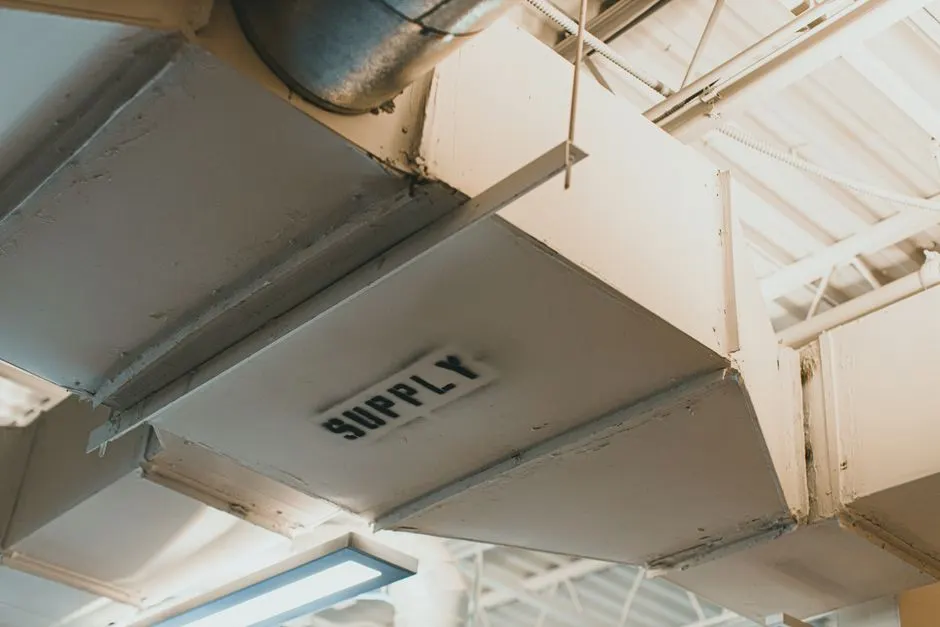
Close-up view of an air duct labeled 'SUPPLY' in an industrial setting.
Licensed Licensed & Bonded
Fully Insured Insured & Bonded
24/7 Emergency Same-Day Response
Warranty Backed Workmanship Guaranteed in Salt Lake City

What's Included in the Inspection

Your inspection covers accessible HVAC components and the moisture conditions connected to the complaint. We explain any limits caused by sealed equipment, inaccessible duct runs, or unsafe access. Laboratory sampling, destructive opening, duct cleaning, and mechanical repairs are separate work; we recommend them only when the inspection findings support that next step.

System and Odor Review

We record the reported odor, timing, affected rooms, and recent water or maintenance history. Then we identify the air handler, return path, accessible supply openings, and condensate route. This gives the inspection a clear target and helps you understand why one part of the system receives closer attention.

Accessible Component Check

We examine visible surfaces around the filter rack, cabinet, drain pan, coil access, and nearby duct openings for staining, residue, dampness, or visible growth. We do not claim to inspect sealed or concealed sections that cannot be safely reached. Any access limitation is noted so the findings remain accurate.

Moisture Readings

Where materials look or feel suspect, we use a moisture meter to check readings and compare locations. We also look for signs of condensation, standing water, or blocked drainage. A reading helps guide the assessment, but it is interpreted with material type, visible conditions, and the recent history of leaks.

Targeted Sampling Option

When a sample will help answer a specific question, we collect an appropriate air or surface sample and record its location. Sampling is not automatic and does not replace visual inspection. We explain the purpose before collection and relate laboratory findings to the moisture and system conditions observed during the visit.

Findings and Next Steps

We explain what we inspected, what showed moisture or visible concern, and what should happen next. You can use the findings to coordinate HVAC repair, moisture correction, or further mold assessment. The recommendations focus on the observed issue rather than blanket cleaning or unnecessary sampling.

HVAC and Duct Mold Inspection Salt Lake City UT


HVAC and Duct Mold Inspection Salt Lake City UT is a building assessment that checks heating and cooling equipment and accessible ductwork for mold indicators, moisture, and conditions that support growth. We inspect the air handler cabinet, evaporator coil access, condensate pan and drain, filter rack, supply and return openings, and visible duct surfaces. A moisture meter helps check suspect materials; a borescope can view limited concealed areas without opening a wall. If sampling is appropriate, we collect targeted material or air samples and explain the findings alongside the inspection observations.

Salt Lake City homes face winter condensation, summer cooling cycles, roof or plumbing leaks, and dust that collects around filters and returns. Those conditions can leave damp insulation, a clogged drain pan, or persistent musty odors that become more noticeable when the blower starts. Our Salt Lake City HVAC and duct mold inspection focuses on the source as well as visible signs, so you are not left guessing from an odor alone. If you have been searching for an air duct mold assessment for a Salt Lake City home, we check the system and nearby moisture pathways together.

What to Expect During Inspection

HVAC and duct mold inspection in Salt Lake City follows a practical sequence: understand the complaint, examine accessible equipment, check moisture clues, and report findings. Most residential visits take about 1.5 to 3 hours, depending on access and the number of systems. We explain each step as we work, so you know what has been checked and why.

01

Schedule

Call or book online — a real human picks up and confirms a 2-hour arrival window.

02

Diagnose

Licensed tech inspects on-site, then walks you through the cause and your options.

03

Fix

The job is completed to code and done right the first time — no shortcuts, no surprises.

04

Guarantee

Every job backed by a written workmanship warranty — and we stand behind it.

Tools and Inspection Methods

Tools & Equipment

Moisture meter

We use a moisture meter on suspect accessible materials near equipment, registers, and condensate routes. Readings help verify whether a stain or damp area needs further attention.

Thermal imaging camera

A thermal imaging camera shows temperature patterns that can guide closer inspection around concealed duct routes or ceilings. We verify concerns with direct observation and moisture checks.

Borescope

A borescope can view a limited concealed cavity or duct area through an existing access point. It helps answer a targeted question without routine destructive opening.

Zefon spore trap cassette

When airborne sampling is appropriate, a Zefon spore trap cassette collects particles at a selected location. We interpret results alongside system conditions rather than as a stand-alone diagnosis.

Tramex moisture meter

A Tramex moisture meter supports non-invasive screening of suspect materials. We use readings to guide follow-up checks and explain that results depend on the material and inspection conditions.

Methods & Standards

Visual and moisture assessment

We inspect accessible HVAC surfaces, drainage components, filter areas, and nearby building materials, then check suspect locations for moisture. Each observation is tied to a place in the system. This approach helps distinguish visible residue from an active dampness issue and directs attention to the source rather than the symptom alone.

Targeted air sampling

If airborne sampling can address a defined concern, we select a location based on the complaint and the HVAC operation. We record the sample point and relevant conditions, then submit it for laboratory analysis when requested. Results are interpreted with inspection observations; one air sample cannot establish the condition of every duct.

Surface sampling

A surface swab or tape lift may be used on a specific accessible material when identification would help guide next steps. We label the collection point and maintain sample handling records. The result is most meaningful when connected to visible growth, moisture evidence, and the exact component examined.

Moisture-source tracing

We follow water clues from the air handler outward, checking condensate drainage, nearby surfaces, and accessible duct routes. If evidence points to a roof leak, plumbing issue, or damp basement, we note that connection. Moisture correction is essential before any remediation can be expected to hold.

When an HVAC Inspection Helps

01

A Sugar House homeowner notices a musty smell only when the furnace starts on cold mornings.

What we do: We inspect the filter rack, return opening, air handler, and accessible duct surfaces, then look for dampness or dust buildup that could explain the odor. If the source is not visible, we discuss whether targeted air sampling would answer a useful question.

→ You learn whether the concern appears system-related, whether moisture needs correction, and what part of the home needs the next inspection.

02

A Capitol Hill property has a condensate overflow and staining beside a cooling-system cabinet.

What we do: We document the affected cabinet and surrounding materials, check accessible surfaces for moisture, and note the drainage condition. We connect those observations with the reported overflow so your HVAC contractor can address the mechanical cause before damp materials are assessed again.

→ The leak path and affected areas are clearer, helping you prioritize drainage repair, drying, and any needed mold follow-up.

03

A Downtown Salt Lake City office receives complaints about one vent after a roof leak.

What we do: We examine the related air handler and accessible duct opening, then check nearby ceiling or attic materials where access permits. Our inspector records which zones were assessed and whether moisture evidence remains, giving the property manager usable documentation for follow-up.

→ You get a location-specific assessment instead of assuming every tenant area or HVAC zone has the same condition.

04

A buyer finds staining around a mechanical closet during a Salt Lake City home walkthrough.

What we do: We inspect accessible HVAC components and the nearby surfaces for water marks, dampness, and visible growth. If the stain points toward a plumbing or building leak, we identify that connection and explain what the inspection could not see without additional access.

→ The buyer gains a clearer picture of the system concern and can make an informed plan for repairs or further evaluation.

HVAC Inspection Across Salt Lake City

HVAC and duct mold inspection in Salt Lake City must account for cold winter operation, dry indoor air, and summer cooling that creates condensate at the coil. A drain line that is partly blocked can overflow during sustained cooling, while a cold duct passing through a warmer space can collect condensation when insulation is damaged. We check the system and nearby materials together rather than assuming the duct itself is the source. Older houses in The Avenues and Capitol Hill can have remodeled mechanical layouts, while apartments and commercial spaces may place equipment in tight closets with limited panel access. Our inspector notes what is accessible and what would require additional access. We serve Salt Lake County, including ZIP codes 84114 and 84115, and use local building context to guide the inspection without treating age or neighborhood as proof of a problem. If you need an air duct mold inspection Salt Lake City UT after a leak, odor, or visible mark, tell us when it began and which rooms are affected. That history helps focus the visit.

Neighborhoods We Serve

  • The Avenues

    Older homes and updated mechanical systems can create varied duct routes. We inspect accessible connections and check nearby ceilings or closets when the odor points beyond the air handler.

  • Sugar House

    Remodeled basements and additions can place ducts beside cooler foundation areas. We look for condensation and moisture clues where system surfaces meet finished spaces.

  • Downtown Salt Lake City

    Apartments and offices may have compact mechanical closets or shared system zones. We identify the equipment and affected rooms so findings stay tied to the right area.

  • Capitol Hill

    Older building layouts may include concealed runs and past repairs. We document access limits and follow water staining toward the relevant HVAC components.

Local Conditions We Plan For

  • Winter condensation forms around cold ducts or poorly insulated runs

    When warm indoor air meets a cold duct surface, condensation can dampen insulation or nearby materials. We check for water staining and elevated moisture, then explain whether insulation or ventilation follow-up is needed.

  • Summer cooling produces water at the evaporator coil

    A clogged drain or poorly sloped condensate line can leave standing water or overflow. We inspect accessible drainage areas and document related dampness so the mechanical cause can be corrected.

  • Roof or plumbing leaks reach mechanical spaces

    Water can travel along framing or duct surfaces before appearing as a stain. We compare the visible mark with nearby materials and system access, helping identify whether the HVAC equipment is affected or merely close to the leak path.

Musty Furnace Odor Traced

Before

A homeowner in Sugar House noticed a musty smell each time the furnace started. The odor was strongest at two registers, but there was no visible growth in the rooms. The family had changed the filter without improvement and could not tell whether the source was inside the duct or near the air handler.

After

The inspection found moisture staining near the condensate area and no visible growth at the two accessible register openings. The readings and locations were documented, and the homeowner received a clear recommendation to correct drainage and recheck the affected cabinet after drying. The assessment narrowed the concern to a specific equipment area.

Maintenance: Keep the filter fitted correctly and check the condensate route during routine system service. If the odor returns after drainage is corrected, note which rooms are affected and arrange a focused follow-up rather than masking the smell.

Before

A Downtown Salt Lake City office had a cooling unit overflow into a mechanical closet. Staff saw a damp mark on the wall and reported an earthy odor near one supply vent. The property manager needed to know whether the duct area or only the nearby wall had been affected.

After

The inspection documented moisture at the closet-side material and checked accessible equipment surfaces and the supply opening. The vent opening showed no visible growth, while the wall remained the priority for drying and repair. The manager received location-specific findings to coordinate the drain repair and building work.

Maintenance: After repairs, confirm the drain is flowing and the wall materials have dried. Keep a simple record of future overflows, dates, and affected rooms so a repeat inspection can compare the same areas.

Before

A buyer viewing a Capitol Hill home found a dark mark near a return grille and smelled a faint odor in the hallway. The house had a mixed-age HVAC setup, and the buyer wanted to understand whether the concern involved the return, nearby wall, or a larger hidden issue.

After

The inspector checked the grille, accessible return opening, filter area, and adjacent wall surface. The mark was documented, moisture readings did not indicate a wet surface at the time of the visit, and the report identified the concealed duct section as inaccessible. The buyer had concrete findings and a defined follow-up question.

Maintenance: Have the HVAC system serviced as scheduled and keep the return grille clear of dust. If the mark grows, becomes damp, or the odor persists, reassess the same location and investigate the concealed section through appropriate access.

Resolve HVAC Odors and Moisture Clues

If you are trying to inspect air ducts for mold in Salt Lake City, start with the conditions that support growth: water, condensation, and damp material. We trace the complaint through the HVAC system and nearby building areas, then identify what the evidence supports. That helps you avoid treating an odor as proof or ignoring a real leak.

Problem

Musty odor starts when the blower runs

The smell can circulate through occupied rooms and obscure whether the source is a wet component, dirty filter, or nearby damp material.

Our Fix

We compare the odor location with the air handler, filter rack, drain pan, and accessible duct surfaces. Moisture readings and visual observations help narrow the source. If sampling adds useful evidence, we explain the target and method before collecting anything.

Problem

Condensate pan stays wet or overflows

Standing water can dampen nearby insulation or cabinet surfaces, while repeated overflow can leave hidden moisture beyond the equipment.

Our Fix

We inspect accessible drainage components and the materials around the unit for staining, dampness, and visible growth. We document affected areas and identify when a mechanical contractor should correct a drain or equipment issue before mold-related follow-up.

Problem

Visible growth appears near a supply register

The mark may be surface residue, condensation-related growth, or a sign of a wider moisture problem; ignoring the source can allow it to return.

Our Fix

We examine the register, nearby wall or ceiling material, and accessible duct opening, then check for moisture patterns. The findings help separate a local surface issue from a system-related concern and guide whether surface sampling is useful.

Problem

Recent leak reached ductwork or equipment

Water intrusion can leave damp building materials or insulation that stays hidden after the visible spill has been dried.

Our Fix

We map visible water effects around the system and assess accessible materials with a moisture meter. When the leak path extends into an attic, wall, or basement, we explain what needs broader investigation so repair and drying address the source.

Clear Findings, Practical Next Steps

Clear Findings, Practical Next Steps

A focused inspection tells you whether the concern is on an HVAC surface, in accessible ductwork, or caused by moisture elsewhere. We document observed conditions, identify the locations checked, and discuss whether sampling or a repair evaluation is a sensible next step. You get useful information before deciding how to address the problem.

  • Trace the Odor

    A musty smell at a supply register does not prove mold is inside the duct. We compare the odor location with the filter, drain pan, coil access, and nearby building materials. That narrows the search and helps distinguish a dirty filter or wet pan from visible indoor mold growth that needs further evaluation.

  • Locate Moisture Sources

    We look for water staining, condensation, blocked drainage, and damp insulation around HVAC components. A moisture meter gives a reading at suspect materials, while a thermal imaging camera can help identify temperature patterns that warrant closer checking. Finding the water pathway is essential; cleaning visible residue alone will not correct a recurring moisture problem.

  • Choose Sampling Deliberately

    When a sample can answer a specific question, we explain the location and purpose before collecting it. A spore trap cassette or surface swab can support an assessment, but no single result tells the whole story. We interpret any laboratory findings with the observed conditions and your reported symptoms or recent water event.

  • Plan the Right Follow-Up

    You receive a clear summary of what was accessible, what showed moisture or growth, and what deserves repair or further investigation. If the concern extends beyond the air handler, we point to the relevant area instead of treating every odor as a duct problem. That makes your next call more specific and reduces guesswork.

Standards and Documentation

Licensed & Certified

  • EPA guidance for mold and moisture in buildings — issued by United States Environmental Protection Agency
  • IICRC S520 mold remediation standard — issued by Institute of Inspection, Cleaning and Restoration Certification
  • ISO/IEC 17025 laboratory accreditation — issued by Accrediting bodies for laboratory competence

Verified Reviews

Customer feedback Not published

A homeowner described a recurring odor near the furnace and appreciated that the inspection checked the drain pan and filter area before suggesting any sampling. The findings identified moisture near the equipment and gave the family a practical sequence: correct drainage, dry the affected area, then reassess if the odor remained.

Customer feedback Not published

A Salt Lake City property manager reported a leak beside an air handler and needed documentation for follow-up. The inspection separated the damp wall concern from the accessible duct openings and noted which areas were clear. That made it easier to coordinate the drain repair and track the affected room.

Customer feedback Not published

A buyer concerned about a stain near a return grille received a clear explanation of what was accessible and what remained concealed. The report avoided claiming that every duct had been checked and identified a specific follow-up option. The buyer said the direct findings helped with planning.

Field Knowledge That Matters

Our local experience covers the way moisture and HVAC problems intersect in Salt Lake City homes and commercial spaces. We look beyond a register stain to check condensate management, filter fit, nearby insulation, and the route water could have taken. The inspection is evidence-led: visible conditions and moisture readings guide whether sampling adds value. We follow EPA guidance for mold and moisture in buildings and use careful sample handling when laboratory analysis is requested. We do not claim a credential that has not been established; our findings stay tied to the work performed and the limits of access.

  • We distinguish visible surface residue from a moisture condition that can support recurring growth inside equipment or nearby materials.
  • We check the drain pan, condensate line, filter rack, and accessible coil area as part of a system-focused inspection.
  • We explain when an air sample, surface swab, or no sample is the most useful choice for your specific question.
  • We document sample locations and handling with chain-of-custody forms when laboratory testing is part of the work.
  • We connect HVAC observations with attic, basement, or wall moisture clues when the source appears outside the equipment.
Get Started Today
Field Knowledge That Matters

Frequently Asked Questions

Real answers to the questions we hear most often from local homeowners and property managers.

How much does HVAC and duct mold inspection cost in Salt Lake City?
A residential inspection commonly costs about $250 to $650 in 2026, with sampling or multiple systems increasing the total. Price depends on system count, access, inspection time, and whether laboratory samples answer a specific question. We explain pricing upfront before work proceeds. A focused air handler and duct inspection is often less involved than opening concealed construction or assessing several separate areas.
Who checks air ducts for mold near me?
A qualified mold inspector can examine accessible HVAC components, duct openings, and moisture conditions, then recommend targeted sampling when useful. For HVAC and duct mold inspection near me Salt Lake City UT, Salt Lake Mold Testing checks the air handler, drain pan, filter area, and accessible duct surfaces. If the issue is a mechanical failure or cleaning need, we identify that distinction so you can contact the appropriate HVAC contractor.
Can mold grow inside an HVAC system or ductwork?
Yes, mold can grow where moisture, suitable material, and settled organic dust coincide, including a wet drain pan, damp insulation, or contaminated component surface. Growth is not inevitable, and an odor alone does not confirm it. We inspect accessible areas, look for the moisture source, and use sampling only when it helps answer a defined question. Correcting water and condensation conditions is central to preventing recurrence.
When should I request a heating and cooling system mold assessment?
Request an assessment after a water leak, recurring musty odor at vents, visible growth near HVAC equipment, or a drain-pan overflow; schedule it promptly when materials remain damp for 24 to 48 hours. We inspect the affected system and nearby surfaces, then explain whether further sampling is warranted. After remediation, a separate clearance assessment can help evaluate the addressed area before normal use resumes.

Related Services

Mold Inspection

A broader property inspection helps when the HVAC odor may originate in a wall, basement, attic, or crawl space. In Salt Lake City, we compare those areas with the system findings and look for the moisture pathway. This keeps an air handler concern from being treated in isolation when the source is elsewhere.

View Mold Inspection

Mold Testing

Testing can add laboratory evidence when a defined question remains after the visual and moisture inspection. We select a relevant air or surface sample, label it, and explain how results relate to the HVAC observations. Testing supports the assessment; it does not replace identifying damp materials or correcting the underlying moisture source.

View Mold Testing

Indoor Air Quality Testing

If occupants notice persistent odors or airborne concerns in several rooms, indoor air quality testing can broaden the investigation beyond the duct system. We discuss the areas sampled and interpret results alongside the building conditions. This can help separate a localized HVAC issue from a wider indoor air concern in your Salt Lake City property.

View Indoor Air Quality Testing

Mold Assessment and Written Reports

A written assessment records the areas inspected, moisture observations, sampling methods, and practical recommendations. It is useful when you need to coordinate with a property manager, contractor, or remediation provider. The report keeps HVAC findings tied to locations and observations, rather than relying on a verbal description of a musty smell.

View Mold Assessment and Written Reports

Residential Mold Inspection

A residential inspection checks the home beyond the heating and cooling equipment when visible growth or water intrusion appears elsewhere. We can relate an HVAC finding to nearby rooms, attic conditions, or basement moisture. That broader view helps homeowners address the cause instead of focusing only on the vent where the odor was noticed.

View Residential Mold Inspection

Commercial Mold Inspection

Commercial HVAC concerns can affect multiple zones, air handlers, and occupied areas. A broader property inspection helps document which rooms or systems need closer attention and where access is limited. We coordinate observations by location so building managers can plan follow-up without treating every floor or tenant space as the same problem.

View Commercial Mold Inspection

Book HVAC and Duct Mold Inspection Salt Lake City UT

A musty vent, wet air handler, or recurring drain-pan problem deserves a direct inspection. We check accessible HVAC components, explain what we find, and give you a clear next step. Call Salt Lake Mold Testing at +18668968166 to schedule your inspection.

Call Today Book Inspection

Contact Salt Lake Mold Testing

Salt Lake City homeowners and property managers can call +1 866-896-8166 to discuss a leak, odor, stain, or post-remediation concern. Our phone line is open Monday through Friday, 8:00 a.m. to 6:00 p.m.; tell us which rooms are affected and when the water event occurred. We will help you identify the inspection or testing service that fits.

Or call us right now at +18668968166 — we answer.

Salt Lake Mold Testing


  • Phone

    +18668968166
  • Address

    Salt Lake City, Utah

  • Hours

    Mon–Fri: 7AM – 7PM
    Sat: 8AM – 4PM
    Sun: Emergency Only
    24/7 Emergency Available

Call +18668968166 Get Quote
Call Quote