Logo
Get Estimate

Moisture Inspection and Mapping Salt Lake City UT

Find hidden dampness before repairs or mold work begin.


Moisture Inspection and Mapping Salt Lake City UT helps homeowners, buyers, landlords, and property managers find wet building materials before damage spreads. We trace leaks, condensation, and lingering dampness with targeted readings and thermal imaging, then map the results room by room. If you have a musty odor, a stained ceiling, or a leak that appears fixed but keeps returning, our Salt Lake City moisture inspection and mapping gives you clear next steps.

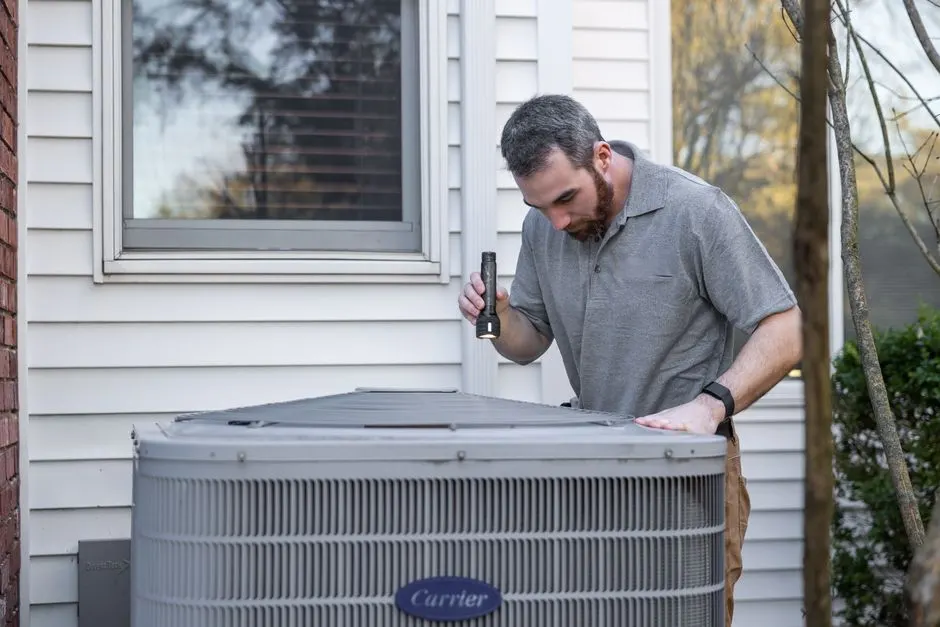
A technician inspects an outdoor HVAC unit for maintenance.
Licensed Licensed & Bonded
Fully Insured Insured & Bonded
24/7 Emergency Same-Day Response
Warranty Backed Workmanship Guaranteed in Salt Lake City

What Moisture Mapping Includes

Your visit includes a focused visual inspection, comparative moisture readings, thermal imaging when it helps guide the search, and a location-based record of findings. We explain what is verified and what needs further access. Mold sampling, laboratory analysis, and invasive openings answer separate questions and are arranged only when useful to the problem you describe.

Visual Condition Review

We inspect the reported area and adjacent accessible surfaces for staining, peeling finishes, warped trim, condensation, and odor. Notes identify the material and location so a contractor can relate the finding to the leak history. We do not treat an old stain alone as proof of active moisture.

Comparative Meter Readings

We measure affected materials and compare readings with nearby reference areas of a similar material. The record shows where readings were taken and how they differed across the surface. This context matters because wood, drywall, and masonry do not share one universal moisture threshold.

Thermal Pattern Checks

A thermal imaging camera helps us scan for temperature changes that can guide targeted verification. We confirm suspicious patterns with direct inspection or meter readings when accessible. Cold surfaces, drafts, or insulation differences can create similar patterns, so the image is not presented as a standalone moisture diagnosis.

Mapped Findings And Guidance

We provide a clear description of affected locations, observed conditions, and practical next steps. You can use the findings to coordinate drying, plumbing or roof repairs, and follow-up measurements. Sampling or lab analysis is separate because those methods investigate mold or material identification, not moisture extent alone.

Moisture Inspection and Mapping Salt Lake City UT


Moisture Inspection and Mapping Salt Lake City UT is a building diagnostics service that locates and documents damp materials after leaks, flooding, or persistent condensation. We inspect the reported area and nearby surfaces, compare moisture readings with unaffected materials, and mark patterns that point toward a likely source or migration path. A moisture meter provides material readings; a thermal imaging camera helps identify temperature differences that warrant closer checking. We explain what the instruments show, what they cannot prove, and which areas need repair or further evaluation. The result is a practical map, not a guess based on a stain.

Salt Lake City's cold-season freezes, spring runoff, and dry indoor heating can expose weak plumbing, foundation edges, roof transitions, and window seals. Older homes in The Avenues and newer basements near Sugar House can present different moisture pathways, so readings must be interpreted against the building and weather conditions. Our building moisture assessment Salt Lake City service is useful after a supply-line leak, a wet basement, or a persistent musty smell. For a moisture mapping for a water-damaged Salt Lake City home, we document affected rooms and check adjacent materials before repairs conceal the evidence.

What To Expect During Service

Moisture mapping services Salt Lake City UT begin with your leak history and a focused walkthrough. We work from the reported symptom outward, explain readings as we take them, and leave you with locations and next steps you can discuss with a repair professional.

01

Schedule

Call or book online — a real human picks up and confirms a 2-hour arrival window.

02

Diagnose

Licensed tech inspects on-site, then walks you through the cause and your options.

03

Fix

The job is completed to code and done right the first time — no shortcuts, no surprises.

04

Guarantee

Every job backed by a written workmanship warranty — and we stand behind it.

Tools And Inspection Methods

Tools & Equipment

Tramex Moisture Meter

We use a moisture meter to compare readings across affected and reference materials. It helps identify changes that need attention; readings are interpreted according to the surface and do not alone identify the water source.

FLIR Thermal Imaging Camera

A FLIR camera scans for temperature patterns that can guide closer inspection around ceilings, windows, and plumbing routes. We verify suspicious areas with direct observation or moisture readings because thermal contrast is not proof of water.

Protimeter Moisture Meter

A Protimeter provides additional material-focused moisture checks where a surface reading or comparison will clarify the extent of a concern. We record where measurements are taken and explain differences between materials.

Borescope

When an accessible opening or approved access point allows it, a borescope can help view a concealed cavity. It supports visual investigation behind a finish but does not replace moisture measurements or establish conditions throughout an entire wall.

Data-logging Hygrometer

A data-logging hygrometer records humidity and temperature over time when a changing indoor condition needs observation. A monitoring period of 24 to 72 hours can help show whether humidity patterns are persistent or tied to a specific operating condition.

Methods & Standards

Comparative Moisture Mapping

We record readings at the reported location and compare them with nearby materials of similar type. The pattern matters more than one isolated number. We mark the locations and distinguish verified elevated readings from visual or thermal clues, giving you a usable map for drying and repair decisions.

Thermal Screening With Verification

We scan surfaces for temperature differences that may indicate a change in material condition, airflow, or moisture. Then we verify the target with a meter or direct observation when accessible. This prevents a cold draft or insulation gap from being mislabeled as a confirmed water intrusion.

Moisture And Mold Observation

We document water staining, visible indoor mold growth, damp materials, and musty odors as separate observations. If sampling is appropriate, we explain the sample type and location, use suitable collection materials, and maintain chain-of-custody documentation for laboratory submission.

Drying Follow-Up Comparison

After drying or repair, repeat readings at mapped locations can be compared with the original record. The timing depends on the material and drying work; checking within 24 to 72 hours after equipment changes can help evaluate progress. We note remaining elevated areas for the contractor to address.

When To Request Moisture Mapping

01

A washing-machine hose fails in a Rose Park home and water reaches the hallway carpet and bedroom wall.

What we do: We trace the affected path from the laundry area through adjoining floor and wall edges, measuring accessible materials and marking any elevated readings. We check beyond the wet carpet because water can travel under thresholds before it becomes visible. The findings guide drying and repair priorities.

→ You know which surfaces need immediate attention and which checked areas showed no elevated readings, giving your restoration contractor a focused starting point.

02

A Capitol Hill homeowner notices a ceiling ring beneath an upstairs bathroom weeks after a small plumbing repair.

What we do: We inspect the stain, nearby ceiling seams, wall corners, and accessible plumbing-adjacent surfaces. Comparative readings help determine whether moisture remains or the mark appears dry, while thermal patterns direct additional checks. We document the areas needing follow-up rather than assuming the old repair failed.

→ You can decide whether to reopen the plumbing area, monitor the ceiling, or arrange drying based on documented conditions.

03

A Sugar House buyer finds a musty odor in a basement during a property walkthrough.

What we do: We assess accessible basement walls, floor edges, and nearby plumbing for dampness, staining, and condensation clues. The map records measured locations and separates moisture evidence from odor observations. If visible growth or other mold concerns are present, we explain how an additional inspection or sampling could help.

→ You receive specific areas to discuss during due diligence, rather than relying on a broad impression that the basement simply smells damp.

04

A Central City property manager needs to document a recurring leak reported by a tenant.

What we do: We inspect the reported unit and adjoining accessible surfaces, record readings and visible conditions, and map the affected locations. With appropriate access, we compare the symptom area with nearby rooms or surfaces. The report helps maintenance staff coordinate plumbing repairs and return checks.

→ The manager has a room-specific record to guide repair and follow-up, while the tenant can identify the exact area that prompted the complaint.

How Moisture Mapping Works In Salt Lake City

Moisture mapping in Salt Lake City starts with the building, not a preset checklist. Cold winter nights can freeze vulnerable plumbing, while indoor heating dries room air and increases temperature differences between exterior walls and occupied rooms. During spring, snowmelt and rain can expose foundation seepage, roof transitions, and poorly sealed openings. We also see recurring concerns around older basements, bathroom plumbing, attic roof decks, and window trim. Our team checks the reported area and connected materials, then interprets readings in relation to the construction and current conditions. If you need moisture mapping before mold remediation in Salt Lake City, we document wet locations first so the remediation plan can address the moisture source as well as affected materials. Service is available across Salt Lake County, including ZIP codes 84114, 84112, and 84113. We explain observed conditions and help you coordinate appropriate repair or follow-up without treating a thermal image as a confirmed leak.

Neighborhoods We Serve

  • The Avenues

    Older homes can have multiple generations of plumbing and finished basement spaces. We check adjacent surfaces around a stain or odor rather than assuming the visible mark shows the full water path.

  • Sugar House

    Basement walls, window wells, and remodeled lower levels may show different moisture patterns. We compare readings with nearby materials and note exterior-facing areas that deserve follow-up.

  • Downtown Salt Lake City

    Apartments and mixed-use buildings can involve shared walls and stacked plumbing. We document the affected unit and accessible adjoining surfaces to help property staff coordinate inspection and repairs.

  • Rose Park

    A leak near laundry, kitchens, or bathrooms can migrate beneath flooring and into wall edges. We follow transitions beyond the first visible wet area and map verified readings.

Local Conditions We Plan For

  • Winter freezes stress exposed plumbing and exterior wall connections

    A frozen or thawing line can release water into cavities before a ceiling or wall stain appears. We check the reported area and adjoining materials, then record whether readings suggest ongoing dampness after the leak has been controlled.

  • Spring snowmelt and rain test foundations and roof transitions

    Water entry may appear at basement edges, window wells, roof seams, or attic framing. We map accessible signs and readings so you can distinguish a localized entry point from moisture that has traveled into adjacent materials.

  • Dry indoor heating increases condensation contrasts

    Warm interior air meeting cold glazing or exterior corners can create condensation and damp trim. We consider humidity, surface temperature, and material readings together to avoid confusing condensation patterns with a plumbing leak.

Leak Under An Upstairs Bathroom

Before

A homeowner saw a brown ceiling ring below an upstairs bathroom and assumed the repaired supply line had stopped the problem. The paint looked dry, but the stain extended toward a wall seam. No one knew whether the moisture was limited to the ceiling or had moved into the adjoining wall.

After

We checked the ceiling and wall transition, comparing readings across the stain and nearby reference areas. The map identified two localized areas with elevated readings and dry measurements beyond them. The homeowner shared those locations with the plumber, who focused the follow-up rather than opening the entire ceiling.

Maintenance: After repair and drying, recheck the two mapped locations within 24 to 72 hours of the drying equipment change. Watch for a growing stain, renewed odor, or fresh paint bubbling.

Before

A Central City owner noticed a musty smell after rain but could not see standing water. Stored boxes covered part of a foundation wall, and the odor seemed strongest near a finished corner. The concern was whether water was entering or the smell came from something unrelated.

After

We documented the accessible foundation and floor edges, then compared readings around the finished corner with nearby surfaces. The map showed a damp section near the wall-floor transition and no elevated readings in the checked adjoining area. The owner moved stored items and arranged a focused exterior and drainage review.

Maintenance: Keep stored belongings several inches from basement walls and inspect the mapped transition after heavy rain. Report renewed dampness promptly so the area can be checked before finishes are replaced.

Before

In a Sugar House home, paint near a bedroom window peeled each cold season. The owner had repainted twice, but damp trim and a musty odor returned. It was unclear whether the window leaked or condensation was repeatedly wetting the same area.

After

We checked the trim, sill, and surrounding wall, noting surface conditions and comparative readings. Findings were concentrated at the cold window edge, with no verified moisture pattern extending into the adjoining wall. The owner received a documented basis to discuss sealing and indoor humidity with a qualified contractor.

Maintenance: Check the trim during cold weather and after condensation appears. Keep the sill dry, note whether the condition follows rain or cold nights, and request a follow-up if the mapped area expands.

Solve Hidden Moisture Before Damage Spreads

Moisture mapping for a water-damaged Salt Lake City home helps identify where dampness remains after the visible leak stops. We follow the evidence from the initial stain or odor, check connected materials, and show you which conditions call for immediate drying or further investigation.

Problem

Ceiling stain remains after a plumbing leak was repaired

Water can travel along framing and leave damp insulation or wall materials beyond the visible mark. Delayed drying can increase repair work and create conditions that support mold growth.

Our Fix

We inspect the ceiling and nearby wall transitions, compare meter readings across affected and reference areas, and map any verified dampness. You get locations to share with your plumber or restoration contractor and guidance on whether follow-up readings are sensible after drying.

Problem

Musty basement odor with no visible water source

A concealed seepage point, condensation, or damp stored materials can sustain an odor even when the floor looks dry. Ignoring the source may leave a recurring moisture problem unresolved.

Our Fix

We check accessible foundation surfaces, floor edges, plumbing routes, and adjacent materials for moisture patterns. We record odor and visible conditions separately from instrument readings, then explain whether the evidence points toward building repair, improved drying, or a mold inspection.

Problem

Window condensation and damp trim return each winter

Repeated condensation can keep paint, caulk, and wood trim damp, eventually leading to deterioration or localized mold growth. A single dry-day check may miss the pattern.

Our Fix

We inspect the window perimeter and surrounding wall, compare readings across the trim and nearby material, and note visible condensation conditions. The map helps you discuss air movement, sealing, or other building corrections while separating condensation clues from evidence of a plumbing or exterior leak.

Problem

Water reached flooring but its path is unclear

Moisture can move beneath flooring and into baseboards or adjoining rooms, leaving concealed materials wet after the surface appears dry. That can complicate flooring repairs.

Our Fix

We follow floor transitions and wall edges with comparative readings, documenting where moisture is found and where it is not. You can give the mapped locations to your flooring or restoration contractor so any opening or drying work targets the affected areas.

Clear Findings, Better Decisions

Clear Findings, Better Decisions

A moisture map turns scattered symptoms into an actionable picture of where water traveled and which materials need attention. We connect measured conditions to your concern, so you can plan drying, repairs, or mold evaluation with less guesswork.

  • Pinpoint Damp Materials

    We compare readings across the affected surface and nearby dry reference areas, then mark the extent of elevated moisture. That distinction helps you avoid removing sound drywall while ensuring wet areas are not missed behind trim or under flooring. Your findings show where to investigate, dry, or repair first.

  • Trace Water Migration

    Water rarely stays directly beneath a leak. We check adjoining walls, ceilings, baseboards, and floor transitions to identify a likely route, including movement between levels. A mapped path gives your plumber or restoration contractor better information before opening a wall or replacing materials.

  • Document Conditions

    You receive a clear record of observed conditions, instrument readings, and mapped locations. When follow-up measurements are needed, the original map provides a baseline for comparison rather than relying on memory. We note visible staining, odors, and signs of water intrusion alongside measured findings.

  • Guide Next Steps

    A map helps separate immediate moisture concerns from areas that need monitoring or further testing. If wet materials coincide with visible indoor mold growth or a persistent musty odor, we explain when mold inspection or sampling is useful. You can act on the condition found, not on assumptions.

Field Knowledge, Clear Documentation

Our Salt Lake City technicians approach moisture as a building problem first: identify the reported source, compare affected and reference materials, and document the pattern. We use local experience with plumbing leaks, roof entry, basement dampness, and condensation in occupied homes and commercial properties. Where mold concerns accompany moisture, our team can coordinate the inspection and sampling process without treating a moisture reading as proof of mold. We follow EPA guidance for mold and moisture in buildings and use appropriate sampling and chain-of-custody practices when laboratory analysis is requested. You get findings explained in plain language and a direct path to the next decision.

  • Readings are compared with unaffected material of the same type, because drywall, wood, and masonry respond differently to moisture.
  • Our technicians use thermal patterns to guide investigation, then verify suspected areas with direct inspection or meter readings.
  • We document visible indoor mold growth, water staining, damp materials, and persistent musty odors as distinct observations.
  • When samples are collected, we use labeled materials and chain-of-custody forms to preserve sample identification.
  • We connect moisture findings with IICRC S520 mold remediation standard considerations when remediation planning is part of the next step.
Get Started Today
Field Knowledge, Clear Documentation

Moisture Mapping Questions Answered

Real answers to the questions we hear most often from local homeowners and property managers.

How much does moisture inspection and mapping cost in Salt Lake City?
A focused inspection commonly costs $180 to $450 and takes about 1 to 3 hours; typical 2026 pricing varies with access and property size. A single-room leak check costs less than mapping several floors or a commercial space. We explain upfront pricing before work begins. Lab sampling, invasive access, or extensive documentation can add cost when those services are requested.
Who offers moisture mapping near me?
Salt Lake Mold Testing provides moisture inspection and mapping across Salt Lake City and nearby neighborhoods. We use a moisture meter and thermal imaging camera to investigate reported dampness, then document the affected locations and next steps. If you searched for moisture inspection and mapping near me Salt Lake City UT, call +18668968166 to discuss the leak, odor, or staining and arrange a focused visit.
How does a moisture inspection find hidden water intrusion?
A moisture inspection finds hidden water intrusion by combining visual checks, comparative meter readings, and targeted thermal imaging. We inspect around the visible symptom, then test adjoining materials for a pattern that suggests water migration. Thermal images point us toward temperature differences but do not confirm wetness alone. A borescope or additional access may be needed to view a concealed cavity, with your approval.
When should I request moisture mapping after a leak?
Request moisture mapping as soon as a leak is controlled, ideally within 24 to 48 hours, so wet materials and migration paths can be documented before drying or repairs change conditions. Call sooner if water reached a wall cavity, ceiling, or flooring, or if a musty odor develops. We identify affected areas and help you decide whether drying, repair, or mold evaluation should come next.

Services That Work Together

Mold Inspection

A moisture map shows where damp building materials may support mold, while a mold inspection evaluates visible growth, odor, and accessible areas. Salt Lake City customers can use both services after a leak or when a stain returns, keeping the moisture source and mold concern in one documented investigation.

View Mold Inspection

Mold Testing

Moisture findings describe building conditions; mold testing evaluates collected air or surface samples. If your map identifies damp drywall alongside visible growth or odor, testing can help answer a separate question about sampled material or airborne spores. We explain what each result can and cannot establish.

View Mold Testing

Indoor Air Quality Testing

When water damage is paired with persistent musty odors or occupant concerns, indoor air quality testing can add information beyond surface readings. We first document moisture locations, then select appropriate sampling locations if testing is warranted. This helps relate air results to the building conditions observed.

View Indoor Air Quality Testing

Mold Assessment and Written Reports

A written assessment combines mapped moisture locations with inspection observations and clear recommendations. It helps property owners, managers, and contractors coordinate repairs without relying on verbal descriptions. We distinguish confirmed readings from visual indicators and list the areas that need attention or follow-up.

View Mold Assessment and Written Reports

Residential Mold Inspection

For a home with a leaking appliance, basement dampness, or attic staining, residential mold inspection can examine the mold concern alongside moisture mapping. We check accessible rooms and materials, document visible conditions, and explain whether sampling or a repair investigation is the more useful next step.

View Residential Mold Inspection

Commercial Mold Inspection

Commercial properties often have multiple rooms, tenants, and concealed service areas. Moisture mapping provides a location-based record that supports a focused commercial mold inspection, especially after a roof leak or plumbing failure. We identify affected zones so building staff can coordinate access and corrective work.

View Commercial Mold Inspection

Book Moisture Inspection and Mapping Salt Lake City UT

Stop guessing where the water went. We will inspect the affected area, map verified moisture readings, and explain practical next steps for drying or repair. Call Salt Lake Mold Testing at +18668968166 to book your inspection; our team serves Salt Lake City, UT.

Call Today Book Inspection

Contact Salt Lake Mold Testing

Salt Lake City homeowners and property managers can call +1 866-896-8166 to discuss a leak, odor, stain, or post-remediation concern. Our phone line is open Monday through Friday, 8:00 a.m. to 6:00 p.m.; tell us which rooms are affected and when the water event occurred. We will help you identify the inspection or testing service that fits.

Or call us right now at +18668968166 — we answer.

Salt Lake Mold Testing


  • Phone

    +18668968166
  • Address

    Salt Lake City, Utah

  • Hours

    Mon–Fri: 7AM – 7PM
    Sat: 8AM – 4PM
    Sun: Emergency Only
    24/7 Emergency Available

Call +18668968166 Get Quote
Call Quote