Logo
Get Estimate

Mold Inspection for Rental Properties Salt Lake City UT

Find moisture sources before they disrupt your rental.


Mold Inspection for Rental Properties Salt Lake City UT helps landlords and tenants identify visible growth, hidden moisture, and conditions that can affect an occupied unit or delay a turnover. We inspect the affected rooms, trace likely water pathways, and recommend targeted sampling when it will answer a clear question. If you manage a Salt Lake City rental or are documenting a tenant concern, we give you practical findings you can use to plan the next step.

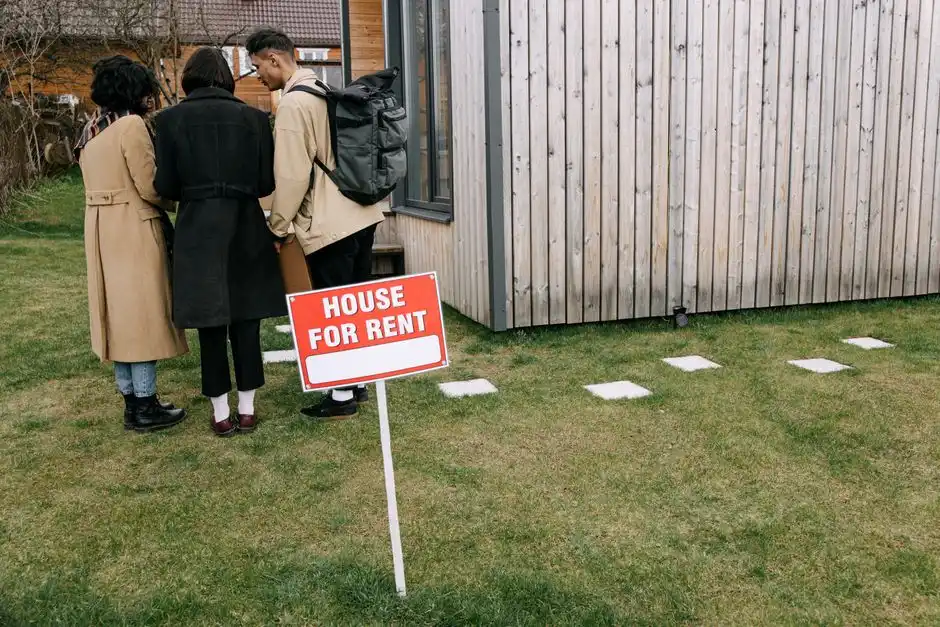
Group of adults viewing a wooden house with a 'House for Rent' sign on the lawn.
Licensed Licensed & Bonded
Fully Insured Insured & Bonded
24/7 Emergency Same-Day Response
Warranty Backed Workmanship Guaranteed in Salt Lake City

What Rental Property Inspection Includes

A standard visit covers the reported concern, accessible rooms and nearby surfaces, visible conditions, odor observations, and moisture readings where useful. We explain whether sampling would answer a defined question and document any samples collected. The inspection focuses on assessment and documentation; repairs and remediation are separate work performed after the findings identify what needs correction.

Concern and access review

We record the reported room, timing, leak or maintenance history, and access limits. This helps focus the visit on the relevant unit areas while noting whether nearby rooms, attic, basement, or mechanical spaces need separate access.

Visual and odor assessment

We inspect accessible surfaces for visible growth, staining, and signs of water intrusion, and note persistent musty odors. We distinguish observed conditions from areas hidden inside walls or beneath finishes that cannot be confirmed without opening materials.

Moisture readings

We take targeted readings on suspect materials and compare them with nearby reference points. Readings help locate dampness and guide follow-up; they are not a stand-alone mold test. Results are described with the material and location identified.

Targeted sampling option

When sampling addresses a specific unanswered question, we collect the appropriate sample type and identify its location. Air, surface, and bulk samples answer different questions, so we explain the purpose and connect laboratory findings to field observations.

Findings and next actions

You receive a clear summary of observed conditions, moisture concerns, sampling results when applicable, and practical next steps. The information supports repair coordination, tenant communication, and follow-up checks after the moisture source is corrected.

Mold Inspection for Rental Properties Salt Lake City UT


Mold Inspection for Rental Properties Salt Lake City UT is a building-condition inspection that identifies visible mold, moisture sources, and areas that warrant sampling in a rented home or apartment. We review the reported concern, check nearby surfaces and building materials, and use moisture readings to distinguish an active leak from old staining. A moisture meter helps map dampness at baseboards, drywall, and flooring; a thermal imaging camera can reveal temperature patterns that guide closer investigation. Testing is selected to answer a specific question, not used as a substitute for finding the water source.

Salt Lake City's dry climate does not prevent indoor moisture problems. Winter temperature swings can create condensation on cold surfaces, while spring runoff, plumbing failures, roof leaks, and poorly vented bathrooms can dampen concealed materials. Our rental property mold inspection in Salt Lake City, Utah is useful after a musty odor persists, a tenant reports recurring spots, or repairs have not stopped staining. If you need a rental property mold check before a new tenant moves in, we document the condition and identify where follow-up is warranted.

What To Expect During Inspection

Salt Lake City rental property inspections follow a repeatable sequence: discuss the concern, inspect accessible areas, measure moisture, and explain findings. We coordinate around tenant access and the property's operating needs, then distinguish observations from any laboratory results. Most single-unit visits take about 1.5 to 3 hours, depending on size and access.

01

Schedule

Call or book online — a real human picks up and confirms a 2-hour arrival window.

02

Diagnose

Licensed tech inspects on-site, then walks you through the cause and your options.

03

Fix

The job is completed to code and done right the first time — no shortcuts, no surprises.

04

Guarantee

Every job backed by a written workmanship warranty — and we stand behind it.

Inspection Tools And Methods

Tools & Equipment

Moisture meter

Measures relative moisture conditions in suspect materials and compares them with nearby reference points. We use the readings to map damp areas, not to declare mold based on a number alone.

FLIR thermal imaging camera

Shows surface temperature differences that can guide closer inspection of a ceiling, wall, or floor. We confirm a suspected anomaly with direct observations or moisture measurements because thermal images do not identify mold.

HEPA air sampling pump

Draws a measured air sample through a Spore trap cassette when airborne collection is appropriate. We document the sampling location and conditions so laboratory results can be interpreted alongside the inspection.

Surface sampling swab

Collects material from a defined visible area for laboratory analysis. It helps identify what is present at that spot, while the inspection separately evaluates moisture source and extent.

Data-logging hygrometer

Records temperature and relative humidity over a monitoring period when room conditions or condensation patterns need closer review. The recorded trend can help distinguish a brief event from a recurring indoor condition.

Methods & Standards

Moisture-source tracing

We start with the reported history, inspect the affected area, and follow visible pathways toward plumbing, exterior openings, roof assemblies, or ventilation. Readings at suspect and reference points help define where dampness is concentrated. We record inaccessible cavities as limitations rather than claiming they were cleared.

Targeted sampling and chain of custody

We select air, surface, or bulk sampling only when it answers a defined question. Sample labels identify the room and collection point, and chain-of-custody forms accompany laboratory submissions. Results are reviewed with field observations, not presented as a diagnosis independent of the building conditions.

EPA-informed moisture assessment

We use EPA guidance for mold and moisture in buildings to keep attention on correcting water sources and drying affected materials. The inspection documents visible conditions and likely contributors, then explains what repair or further evaluation is appropriate. Assessment does not replace remediation work or a building-code determination.

Post-repair verification

After a leak or remediation is addressed, we can recheck the agreed area for visible conditions and moisture. Where clearance sampling is appropriate, the collection plan is tied to the completed work area. This gives property owners a documented follow-up rather than relying only on a fresh coat of paint.

When To Arrange A Rental Inspection

01

A tenant in Central City reports a ceiling stain after a winter roof leak and the discoloration returns.

What we do: We inspect the ceiling and adjacent surfaces, check moisture patterns, and look for signs that water has entered from the roof assembly. If access allows, we review the attic area near the affected room and document limits where materials conceal the pathway.

→ You get a documented condition and a focused direction for roof or drying follow-up before the stain is simply covered again.

02

A property manager is turning over a Sugar House apartment after a bathroom supply-line leak.

What we do: We review the repair history, inspect the cabinet and nearby flooring, and measure suspect materials against dry reference points. If a sample is useful, we choose one tied to a defined concern and record its location for later interpretation.

→ The manager has a practical baseline for the unit and can prioritize any remaining damp material before move-in.

03

A tenant near Downtown Salt Lake City reports an odor that persists despite cleaning and routine ventilation.

What we do: We inspect the reported room, adjacent closets, accessible plumbing areas, and HVAC components for moisture clues or visible growth. We explain whether airborne or surface sampling can address the specific concern and avoid treating odor alone as proof of mold.

→ You receive a clear account of observed conditions and an evidence-based next step to share with the landlord.

04

A landlord wants to check a basement rental after spring runoff and a damp wall at the floor line.

What we do: We inspect accessible lower-level walls and stored-material areas, note water entry indicators, and map moisture where readings are useful. We identify whether the pattern points toward drainage, plumbing, or another condition requiring repair review.

→ The owner can direct follow-up toward the likely source and document the basement condition for maintenance records.

How Rental Inspections Work In Salt Lake City

Salt Lake City rental buildings range from older homes with finished basements to apartment properties with shared plumbing, roof assemblies, and mechanical spaces. Winter cold can chill exterior walls and window edges; indoor humidity from cooking, bathing, or humidifiers then condenses on those surfaces. Spring runoff and roof drainage can expose basement or foundation moisture, while summer storms can reveal roof or window entry that was not obvious during dry weather. Our rental property mold assessment Salt Lake City UT considers the building age, reported leak history, ventilation, and the unit's location before we select inspection points. For a landlord mold inspector near Central City Salt Lake City, we coordinate access with the responsible party and inspect the reported unit plus accessible adjacent areas. We serve Salt Lake County, including properties in ZIP codes 84112 and 84114 as well as 84116. Your report separates direct observations from concealed areas and recommends practical follow-up without assuming every dark mark is mold.

Neighborhoods We Serve

  • Central City

    Mixed older and newer rentals can have different plumbing and ventilation layouts. We focus on the reported room and check nearby accessible areas for a connected moisture pathway.

  • The Avenues

    Older homes and converted units may include basements, older window details, and finished interior walls. We note access limits when the suspected source is concealed behind finishes.

  • Sugar House

    Rental homes and multi-unit properties can experience bathroom condensation or plumbing leaks. We compare affected surfaces with nearby materials to locate whether dampness is isolated.

  • Rose Park

    Basement and lower-level concerns often call for checking floor-line staining, plumbing history, and accessible storage areas. We document the conditions that may help direct repair.

Local Conditions We Plan For

  • Cold winter surfaces meet humid indoor air at windows and exterior walls

    Condensation can leave recurring dampness at window edges, closets, and exterior corners. We inspect surrounding materials and ventilation clues so the assessment distinguishes a surface moisture pattern from a plumbing or roof leak.

  • Spring runoff and drainage pressure affect below-grade rental spaces

    A basement wall or floor-line stain can reflect water entry, plumbing, or older residual damage. We check accessible areas, map current moisture, and identify what should be reviewed by the appropriate repair professional.

  • Roof leaks or attic ventilation issues appear after storms

    Water can travel along framing before it becomes visible on a ceiling, making the stain location different from the entry point. We inspect accessible attic areas where permitted and record the likely pathway and limits.

Recurring Ceiling Leak Stain

Before

A Central City apartment had a ceiling mark that returned after repainting. The tenant noticed a musty odor after storms, but the owner had no record of current moisture or whether the earlier roof work had held. The visible patch alone did not show where water entered or how far it had moved.

After

We inspected the ceiling and nearby wall, then recorded moisture readings at several points and checked the accessible attic area. The inspection identified a concentrated damp zone near the roof pathway and documented dry comparison points. The owner had a specific repair area to review instead of repainting the whole ceiling.

Maintenance: After roof work, keep the repair record and recheck the same ceiling points after the next significant storm. Address any new staining promptly, and maintain clear attic access for follow-up inspection.

Before

A tenant in a Sugar House rental reported an odor beneath the bathroom sink after a small supply-line repair. The cabinet looked mostly dry, but the baseboard at the adjoining wall had discoloration. The property manager needed to know whether the issue was confined to the cabinet or extended into nearby material.

After

We inspected the cabinet, wall edge, and adjacent flooring, comparing readings across the affected and reference surfaces. The findings localized the moisture concern to the cabinet-side area and identified the repair and drying check needed. The manager could assign focused follow-up rather than remove unaffected finishes.

Maintenance: Check the cabinet for fresh drips during routine maintenance and keep the area ventilated after plumbing work. Reinspect the baseboard if odor or discoloration returns, especially after the line has been used.

Before

Before leasing a rental home near Rose Park, the owner noticed a musty smell in the basement after spring moisture concerns. No obvious growth appeared on the main wall, and the prior maintenance notes did not show whether the floor-line area had dried fully.

After

We reviewed the reported area, inspected accessible basement surfaces, and mapped moisture at the wall base and nearby reference points. The assessment documented a localized condition and recommended drainage follow-up before cosmetic work. The owner gained a clear baseline for the property file and turnover plan.

Maintenance: Keep gutters and downspouts directing water away from the foundation, and avoid storing items directly against basement walls. Recheck the lower wall after heavy runoff or if the odor returns.

Solve Rental Mold Concerns Before Turnover

A recurring stain, odor, or tenant report needs more than a quick surface wipe. We inspect the affected area and surrounding materials to identify moisture clues, document what is visible, and recommend a focused next action. That gives landlords and tenants a shared record and helps prevent unresolved conditions from carrying into the next lease.

Problem

A recurring bathroom stain returns after each surface cleaning

The stain can signal an ongoing leak or condensation pattern, leaving damp material behind the finish and creating repeat maintenance calls.

Our Fix

We inspect the surface, nearby plumbing access, ventilation, and adjacent materials, then compare moisture readings across the affected area. If the source remains uncertain, we identify the next access or sample that would answer the question. You can direct repair work at the cause instead of repainting the same spot.

Problem

A tenant reports a persistent musty odor without visible growth

An odor may come from concealed dampness, a basement, an HVAC area, or a drain-related issue, so the source can remain untreated if no one checks beyond the room.

Our Fix

We trace the odor report through accessible adjoining spaces and look for water intrusion, damp materials, and HVAC moisture. We record where the odor is strongest and whether readings or sampling are warranted. The result gives both parties a location-based path for follow-up rather than speculation.

Problem

A prior leak leaves uncertainty before a new lease starts

If wet materials or a hidden leak remain, the problem can reappear after occupancy and complicate maintenance records or move-in communication.

Our Fix

We inspect the previous leak area and surrounding materials, document visible conditions, and map moisture where appropriate. A rental property mold check before a new tenant moves in helps establish what was observed at turnover and whether additional drying, repair, or post-work evaluation is needed.

Problem

A damp basement or crawl space affects an occupied rental

Moisture below the living area can sustain odors and affect stored belongings, while the actual entry point may be separate from the visible wall or floor.

Our Fix

We review accessible basement or crawl-space areas for dampness, visible growth, and water pathways, then connect those findings to conditions reported upstairs. Our notes identify likely repair priorities such as plumbing, drainage, or ventilation review, helping you coordinate the right trade.

Clear Findings, Practical Next Steps

Clear Findings, Practical Next Steps

Our inspection turns a vague odor or recurring stain into a documented property condition. You get the affected locations, moisture observations, likely contributing conditions, and a clear explanation of whether sampling is useful. That helps you prioritize repairs, communicate with tenants, and avoid treating a surface stain while a leak remains active.

  • Locate moisture pathways

    We check the reported room and adjacent areas so a wet wall is not treated as an isolated spot without context. Readings at multiple points can show whether dampness is concentrated near a window, plumbing line, exterior wall, or floor. Your findings help direct a repair rather than guessing from the visible mark alone.

  • Document tenant concerns

    A dated inspection record describes observed growth, odors, moisture readings, and accessible areas reviewed. For a landlord mold inspector Salt Lake City search, the useful result is a factual account you can share with a property manager or repair professional, not an unsupported promise about health or liability.

  • Target sampling carefully

    When visual inspection cannot answer whether material or airborne particles require analysis, we discuss an appropriate sample. A surface swab or air sample is selected for the question at hand, with location and conditions recorded. This avoids collecting samples without a defined purpose or interpreting a single result as a complete building diagnosis.

  • Support faster decisions

    A concise set of observations helps you decide whether the next action is plumbing repair, drying, material removal, or further assessment. If the unit is between tenants, early identification can prevent a minor moisture issue from becoming a larger turnover delay. You leave with priorities, not a generic checklist.

Rental Property Inspection Expertise

Our team handles rental concerns with attention to both the building and the people using it. We assess water intrusion, damp materials, hidden mold behind walls, condensation-related growth, and moisture around HVAC components without treating every stain as the same problem. Sampling and interpretation follow the question being investigated, and chain-of-custody practices keep sample identities tied to their locations. We use EPA guidance for mold and moisture in buildings as a practical reference and explain what the inspection confirms, what remains concealed, and which repair or follow-up step fits the evidence.

  • We compare suspect readings with nearby materials, helping separate localized dampness from a broader moisture pattern.
  • We document the room, surface, and collection point for each sample so results remain useful to property decision-makers.
  • We distinguish visible conditions from laboratory findings and avoid treating one air sample as a whole-building verdict.
  • We inspect rental turnover concerns as well as occupied-unit reports, coordinating access with landlords, managers, and tenants.
  • Our field approach considers ventilation, plumbing, roof entry, exterior drainage, and HVAC moisture as possible contributors.
Get Started Today
Rental Property Inspection Expertise

Rental Property Mold Inspection FAQs

Real answers to the questions we hear most often from local homeowners and property managers.

How much does rental property mold inspection cost in Salt Lake City?
A single-unit inspection commonly costs $250 to $650 in 2026, with laboratory sampling priced according to the number and type of samples. The final amount depends on unit size, access, moisture mapping, and whether attic, basement, or crawl-space areas are included. We explain the price before work begins. A focused visit for one reported room costs less than a multi-area assessment with several samples.
Who offers landlord mold assessment near me?
Salt Lake Mold Testing provides rental property mold assessment Salt Lake City UT for landlords, property managers, and tenants. We inspect visible conditions, measure moisture, and recommend targeted sampling when it can answer a specific question. To arrange a visit, call +18668968166 and share the property location, access details, and the main concern. We serve Salt Lake City neighborhoods across Salt Lake County.
Can a tenant request a mold inspection in a Salt Lake City rental?
Yes, a tenant can raise a concern and request that the landlord investigate; access and arrangements should be coordinated with the property owner or manager. Our tenant mold inspection services Salt Lake City document observed conditions, moisture readings, and relevant sample results when testing is selected. A tenant concerned about a ceiling leak or recurring odor should record the location and report it promptly so the source can be addressed.
When should a landlord arrange an apartment mold assessment?
Arrange an assessment promptly after a leak, repeated condensation, visible growth, or a musty odor that persists beyond a few days. Also inspect after repairs if staining returns or materials remain damp. We can book apartment mold inspection Salt Lake City UT for a turnover or an occupied unit, then identify affected areas and likely moisture pathways before repair decisions are made.

Related Inspection Services

Mold Inspection

A general mold inspection helps you investigate visible growth, odor, or water damage beyond a single rental concern. We examine accessible areas, identify likely moisture sources, and explain whether targeted testing makes sense. For Salt Lake City landlords, it can extend a unit-level review to shared or adjacent spaces.

View Mold Inspection

Mold Testing

Testing adds laboratory analysis when an inspection question cannot be answered by observation alone. We select air, surface, or material sampling based on the suspected location and concern, then connect results to field notes. This is useful when a rental property has recurring odor or an unclear source.

View Mold Testing

Indoor Air Quality Testing

Indoor air quality testing can investigate airborne particles or ventilation concerns when occupants report an unusual indoor condition. We define the question and sampling locations before collecting data. For a rental, results are interpreted alongside moisture findings, room use, and possible sources rather than in isolation.

View Indoor Air Quality Testing

Mold Assessment and Written Reports

A written assessment organizes observations, moisture readings, sample locations, and practical recommendations for landlords or managers. It gives you a record to coordinate maintenance and follow-up. For an occupied Salt Lake City rental, clear location notes help separate tenant-reported symptoms from conditions actually observed during the visit.

View Mold Assessment and Written Reports

Residential Mold Inspection

Residential mold inspection covers houses, condos, and individual apartment units. We look at bathrooms, kitchens, basements, window assemblies, and other areas where water or condensation may collect. Rental owners can use it to investigate a tenant report or document a repair concern before a new lease.

View Residential Mold Inspection

Commercial Mold Inspection

Commercial mold inspection is suited to larger rental buildings, offices, and mixed-use properties with shared mechanical or utility spaces. We map reported areas and consider how moisture may move between units. A property manager can use the findings to prioritize access and repairs across multiple rooms.

View Commercial Mold Inspection

Schedule Rental Mold Inspection in Salt Lake City

Get a clear inspection plan for your rental's odor, leak, or visible growth. Our team documents moisture conditions and explains targeted next steps; call Salt Lake Mold Testing to arrange your visit.

Call Today Book Inspection

Contact Salt Lake Mold Testing

Salt Lake City homeowners and property managers can call +1 866-896-8166 to discuss a leak, odor, stain, or post-remediation concern. Our phone line is open Monday through Friday, 8:00 a.m. to 6:00 p.m.; tell us which rooms are affected and when the water event occurred. We will help you identify the inspection or testing service that fits.

Or call us right now at +18668968166 — we answer.

Salt Lake Mold Testing


  • Phone

    +18668968166
  • Address

    Salt Lake City, Utah

  • Hours

    Mon–Fri: 7AM – 7PM
    Sat: 8AM – 4PM
    Sun: Emergency Only
    24/7 Emergency Available

Call +18668968166 Get Quote
Call Quote