Logo
Get Estimate

Mold Spore Trap Testing Salt Lake City UT

Clear airborne mold results for homes and businesses


Mold Spore Trap Testing Salt Lake City UT helps you investigate musty odors, water damage, or concerns after cleanup without relying on guesswork. We collect airborne samples from the rooms that matter and submit them for laboratory analysis. If you own a home, manage a rental, or oversee a commercial space, our team explains what the findings mean and what practical next steps fit your Salt Lake City property.

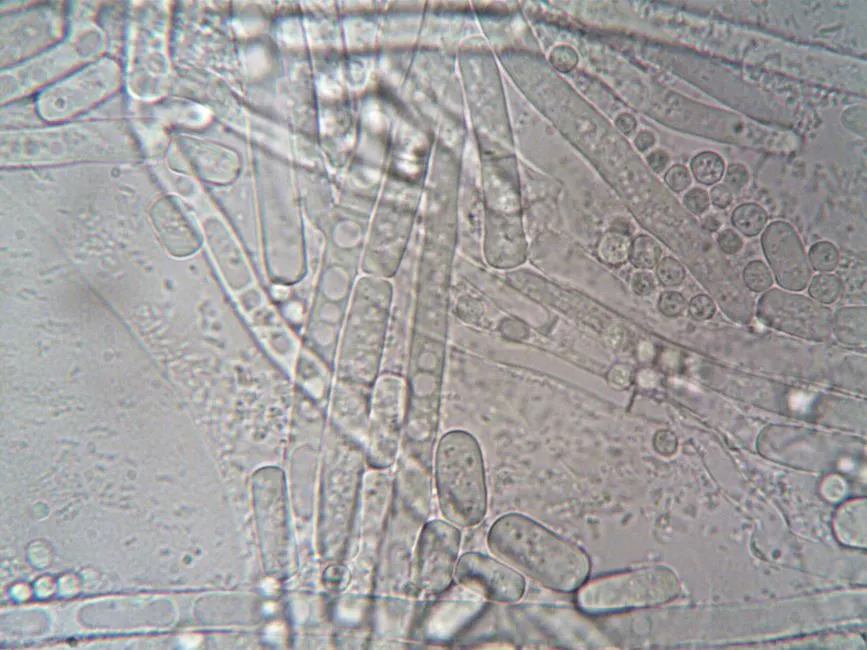
Close-up image of fungal hyphae under microscope showcasing biological structures.
Licensed Licensed & Bonded
Fully Insured Insured & Bonded
24/7 Emergency Same-Day Response
Warranty Backed Workmanship Guaranteed in Salt Lake City

What Mold Spore Trap Testing Includes

Your appointment includes a discussion of the concern, a focused visual and moisture check, planned air collection, sample documentation, laboratory analysis, and a plain-language review of results. We explain when a surface sample or additional inspection would answer a different question. Repairs, remediation, and destructive opening of walls are separate work, not part of air sampling.

Concern And Room Review

We discuss the odor, leak history, occupancy, and rooms affected, then choose sampling locations that address your question. You can point out repaired areas or current staining. This keeps the visit focused and helps make the final report specific to your property.

On-Site Moisture Checks

We examine relevant surfaces and use a moisture meter to compare suspect materials with nearby areas. This step can identify a damp condition that deserves attention even if the air sample does not show an unusual pattern.

Controlled Air Collection

We collect air through labeled spore trap cassettes using a calibrated pump and documented sampling details. The number of samples depends on the rooms and the question; collection is performed without treating one room's reading as a result for the whole building.

Laboratory Report Review

The laboratory report lists observed spore types and estimated concentrations for submitted samples. We review the units, locations, and limitations with you, then connect those findings to visible conditions and moisture observations recorded during the visit.

Next-Step Guidance

We explain whether the findings support targeted moisture repair, more inspection, surface sampling, or no further testing based on the evidence. You receive practical direction for the specific concern, not a promise that an air result alone can locate hidden growth.

Mold Spore Trap Testing Salt Lake City UT


Mold Spore Trap Testing Salt Lake City UT is an indoor air assessment that collects airborne particles on a prepared cassette for laboratory identification and comparison. We use a calibrated HEPA air sampling pump to draw a measured volume of air through a Spore trap cassette, then record the room, sample duration, and conditions. A laboratory report identifies spore types and concentrations in the sample; it does not, by itself, locate hidden growth or establish a health diagnosis. We pair results with a visual inspection and moisture readings so you can understand the evidence in context.

Salt Lake City homes face a mix of winter condensation, roof or plumbing leaks, basement dampness, and summer HVAC use that can move spores between rooms. A sample is useful when visible indoor mold growth is absent but persistent musty odors or a prior leak leave questions. For an airborne spore trap sampling for a Salt Lake City home, we select locations based on the concern and may compare indoor samples with an outdoor reference. That makes the results more useful than treating one number as a pass-or-fail score.

What Happens During Sampling

Spore trap air test Salt Lake City appointments follow a documented sequence: review the concern, inspect relevant areas, collect controlled samples, and explain the laboratory findings. We protect sample integrity and record conditions so the report can be interpreted accurately.

01

Schedule

Call or book online — a real human picks up and confirms a 2-hour arrival window.

02

Diagnose

Licensed tech inspects on-site, then walks you through the cause and your options.

03

Fix

The job is completed to code and done right the first time — no shortcuts, no surprises.

04

Guarantee

Every job backed by a written workmanship warranty — and we stand behind it.

Sampling Tools And Methods

Tools & Equipment

HEPA air sampling pump

The pump draws a measured volume of air through a cassette during a controlled collection period. We record the sampling location and operating details so the laboratory report has useful field context.

Air-o-Cell cassette

An Air-o-Cell cassette collects airborne particles on an adhesive surface for microscopic examination. We label and handle each cassette according to the laboratory's instructions and chain-of-custody procedure.

Moisture meter

A moisture meter helps compare suspect building materials with nearby reference areas. It does not identify mold, but it can reveal a damp condition that helps focus the inspection and sample plan.

FLIR thermal imaging camera

A FLIR camera shows temperature patterns that may point to a location needing closer inspection. We verify suspicious patterns with direct moisture checks rather than treating thermal images as proof of water or mold.

Particle counter

A particle counter measures particles by size during a separate air-quality check. It does not identify mold species, so we use it only when the question calls for particle information beyond spore trap analysis.

Methods & Standards

Paired Indoor And Outdoor Sampling

When outdoor conditions and site setup make comparison useful, we collect a reference sample alongside indoor samples. We record where each cassette was used and interpret differences cautiously because outdoor spore levels shift with weather, season, and nearby activity.

Targeted Room Sampling

We place samples in rooms linked to the reported odor, leak, or cleanup area rather than spreading them evenly without a reason. Each result represents the air at that location during collection, so sample placement and room conditions matter.

Moisture-Led Investigation

Air results are reviewed alongside visual observations and moisture readings. If the inspection suggests hidden dampness, we identify the area that needs follow-up; sampling alone cannot prove what is behind a wall or establish the source of moisture.

Documented Chain Of Custody

We label samples, record collection details, and complete chain-of-custody forms before laboratory submission. This creates a clear link between the room sampled and the result reported, helping you understand exactly which locations the analysis represents.

When Air Sampling Helps

01

A Sugar House home has a lingering basement odor after a supply-line leak was repaired.

What we do: We review the repair history, inspect the affected wall and nearby materials, and take moisture readings before selecting air sample locations. If the basement and an adjacent room are both relevant, we document each separately so the lab findings are tied to where you noticed the odor.

→ You learn what airborne particles were found in the tested spaces and whether moisture or targeted inspection remains the more important next step.

02

A rental unit near Downtown Salt Lake City needs documented conditions after cleanup.

What we do: We check that the affected work area is ready for sampling, note the room setup, and collect cassettes at locations connected to the original concern. The report records sample labels and findings for the property manager and remediation contractor to review together.

→ The owner receives a traceable account of tested locations and laboratory results instead of relying only on a verbal completion update.

03

A homeowner in The Avenues notices a musty upstairs room after a roof leak.

What we do: We inspect the ceiling and nearby surfaces, check for moisture indicators, and consider whether attic conditions could relate to the room. Air sampling is added when it helps answer the airborne concern; visible growth or wet material may call for a different sample type.

→ You get a focused investigation that separates airborne findings from the question of where the roof-related moisture entered.

04

A small office in Salt Lake City reports odor near an HVAC return after a damp filter event.

What we do: We review the reported location, inspect accessible surfaces around the return, and plan samples around occupied areas and the source concern. We document system conditions during collection because airflow and room use affect how results should be read.

→ The facilities contact can compare findings with the inspection notes and decide whether HVAC evaluation or moisture correction is needed.

How Testing Works In Salt Lake City

Salt Lake City buildings range from older homes with basements and plaster walls to newer additions with tightly sealed rooms. Winter heating can increase condensation at cold windows and exterior corners, while spring snowmelt or a roof leak can introduce water into attics and upper walls. In summer, air conditioning and HVAC operation change how air moves between rooms. We ask about those conditions before collecting samples, since activity, ventilation, and open windows can affect readings. For mold spore trap testing in Salt Lake City, we document where the concern began and whether repairs or cleanup have already occurred. If you need a spore trap air test near Sugar House Salt Lake City, we choose locations around the reported room and any relevant adjacent area, then explain what each sample can establish. We serve Salt Lake County, including properties in ZIP codes 84111, 84115, and 84116. Our work is an environmental assessment, not a building-code inspection or medical diagnosis; we focus on evidence, moisture, and appropriate next steps.

Neighborhoods We Serve

  • Sugar House

    Older homes and remodeled basements can have mixed construction materials. We link any air sample to moisture checks around the reported leak or odor.

  • The Avenues

    Sloped lots, older exterior walls, and attic roof details can make leak history important. We document the room and nearby conditions before sampling.

  • Downtown Salt Lake City

    Apartments and commercial spaces have varied ventilation and occupancy. We record operating conditions so results are connected to the tested room.

  • Rose Park

    Basement moisture and plumbing history can shape the sampling plan. We focus on the affected area and compare it with a relevant nearby location when useful.

Local Conditions We Plan For

  • Cold-season window condensation and damp exterior corners

    Repeated condensation can wet paint, trim, or nearby materials even without a plumbing leak. We check suspect surfaces and note indoor conditions before interpreting air samples collected during the visit.

  • Roof leaks and snowmelt affecting attic materials

    A past leak can leave localized moisture or staining after the roof is repaired. We inspect accessible areas and connect any room samples to the leak location and current material condition.

  • Basement dampness after heavy rain or plumbing leaks

    Damp concrete, stored items, and wall finishes may contribute to a musty odor. We identify the affected zone and use air sampling only when it answers a defined airborne question.

Basement Odor After Plumbing Repair

Before

A homeowner had repaired a small supply-line leak but still noticed a musty smell near a finished basement wall. The surface looked dry, and no visible growth was present. Without moisture comparisons or air samples, the owner could not tell whether the odor was isolated or present in adjacent rooms.

After

We checked the reported wall and nearby materials, then collected samples in the basement and an adjoining room. The lab report listed findings by location, and our review explained the limits of the counts alongside the moisture observations. The homeowner had a focused basis for deciding whether to investigate the wall further.

Maintenance: Keep the repaired area accessible and check it after heavy water use or rain. Track any return of the odor and note the room and timing; that record helps distinguish a recurring moisture event from a one-time air sample.

Before

After mold cleanup, a property owner had a completion notice but wanted documented air findings for the affected room. The adjacent hallway had not been part of the work, so a single undifferentiated sample would not have answered whether both spaces had been checked.

After

We recorded the room setup and collected samples in the affected space and relevant adjacent area. The report identified the tested locations and laboratory findings, and we explained how to read them alongside the cleanup conditions. The owner could share a location-specific record with the contractor.

Maintenance: Keep the report with remediation records and preserve the sample-location notes. If a new leak, odor, or visible condition appears, arrange a fresh inspection; a prior sample describes only the conditions present when it was collected.

Before

A roof leak had been repaired, but a bedroom still smelled damp after cold weather. The homeowner could see a ceiling stain but could not tell whether the concern was limited to the stain or extended into the attic and room air.

After

We inspected the stain and accessible nearby areas, checked for moisture indicators, and sampled the room air based on the reported concern. Findings were reviewed with the leak history rather than presented as a source diagnosis. The homeowner understood which conditions were measured and what needed a closer building inspection.

Maintenance: Watch the ceiling and attic access area after storms and through winter temperature changes. Address new staining or dampness promptly, and retain roof-repair details so any future assessment can compare the history with current conditions.

Answers For Common Mold Concerns

A musty smell or past leak can leave you unsure whether airborne mold is present or whether more investigation is justified. Professional spore trap sampling in Salt Lake City gives you a documented sample and laboratory findings to discuss alongside the building conditions. We focus on the question your property needs answered.

Problem

Musty odor persists after a leak appears repaired

A concealed damp material can remain wet after the visible leak stops, allowing the odor or moisture problem to continue unnoticed.

Our Fix

We inspect the reported area, compare moisture readings, and collect air samples where they help answer whether airborne spores are present in the affected room. If the pattern suggests a hidden source, we explain which location deserves targeted follow-up rather than claiming the air test identifies a wall cavity.

Problem

No visible mold, but occupants notice room-to-room differences

Without documented sampling, you may keep cleaning surfaces or changing filters without learning whether the rooms differ in airborne findings.

Our Fix

We select representative rooms based on use and the reported concern, document conditions, and submit cassettes for analysis. Comparing results can identify a pattern that warrants moisture inspection or a closer look at HVAC components, while keeping the limits of a single visit clear.

Problem

Uncertainty remains after mold cleanup

You may reopen an area or return belongings before conditions have been checked against the agreed post-cleanup question.

Our Fix

We assess the cleaned area and sample locations, record whether the work zone is ready, and collect air samples when appropriate. We then review the findings with the site notes, giving you and your remediation contractor information tied to the tested rooms and conditions.

Problem

Basement moisture returns during colder weather

Repeated dampness can damage stored items and building materials, while changing air movement can carry particles beyond the basement.

Our Fix

We inspect accessible basement surfaces, check for moisture indicators, and determine whether air collection can clarify the concern. If the issue points to water entry or condensation, we describe the condition and direct you toward correcting the source before relying on repeated air tests.

Useful Results, Practical Decisions

Useful Results, Practical Decisions

Air testing gives you evidence about airborne particles at the time and place sampled. We connect the lab report to moisture conditions and the rooms you use, then explain what the numbers can and cannot tell you. You leave with a clear next step, not a page of unexplained counts.

  • Know What Is Airborne

    A spore trap sample identifies common mold groups and reports concentrations per cubic meter of air. Our Salt Lake City mold spore trap testing compares affected-room findings with relevant reference samples, helping you see whether the pattern calls for more investigation, moisture correction, or no additional sampling.

  • Investigate Hidden Sources

    A clean-looking wall does not rule out growth behind it. We use moisture readings and, where appropriate, a thermal imaging camera to guide sampling around a leak, cold exterior wall, or damp basement. The result helps focus follow-up work instead of opening building materials at random.

  • Check Post-Cleanup Conditions

    After remediation, airborne sampling can document conditions in the tested area under the conditions recorded on site. We note whether barriers are removed, HVAC is operating, and cleanup is complete, so your report describes the actual sampling setup rather than an unexplained lab result.

  • Make A Better Next Decision

    Your report can support a conversation with a remediator, property manager, or building professional. We explain the sample locations, units, and limitations in plain language and flag moisture readings that need attention. You can then prioritize repairs based on evidence instead of odor alone.

Standards And Documentation

Licensed & Certified

  • Council-certified Microbial Investigator — issued by American Council for Accredited Certification
  • Council-certified Indoor Environmental Consultant — issued by American Council for Accredited Certification
  • ISO/IEC 17025 laboratory accreditation — issued by Accredited laboratory
  • AIHA Laboratory Accreditation Programs — issued by AIHA LAP

Verified Reviews

Customer feedback Not listed

A Salt Lake City homeowner described a clear sampling visit after a basement leak. The technician recorded the rooms, checked moisture near the repair, and explained that lab counts needed to be read with those observations. The customer appreciated receiving practical next steps instead of being told that one air sample could identify a hidden source.

Customer feedback Not listed

A property owner in Sugar House reported that post-cleanup sampling was organized by room and easy to share with a contractor. The review noted that the technician explained the sample labels, laboratory report, and limits of the findings. That detail helped the owner understand exactly what had been tested.

Customer feedback Not listed

A resident in The Avenues said the visit addressed a musty odor after a roof leak without overstating what air sampling could prove. The inspector looked at the stained area, recorded the concern, and reviewed the lab findings in plain language. The owner left knowing which building condition needed follow-up.

Fieldwork Guided By Evidence

Our local experience covers the building conditions that make Salt Lake City sampling useful: winter window condensation, basement moisture, attic roof leaks, and HVAC concerns after water damage. We treat the sample as one part of an investigation, not a standalone diagnosis. Our technicians document location, airflow conditions, and moisture observations, then explain how laboratory findings relate to the property. We follow recognized sampling practices and use clear chain-of-custody documentation so you can track the sample from collection through analysis.

  • We select room locations around the reported odor, leak, or visible condition instead of collecting samples without a defined question.
  • Our team records pump duration, sample location, and site conditions to help make laboratory results interpretable.
  • Moisture readings help distinguish a dry surface from a material that still needs investigation after a leak.
  • We explain why spore counts vary by activity, ventilation, weather, and the specific place sampled.
  • When air results leave a source unresolved, we discuss targeted surface or building-material sampling as a separate investigative step.
Get Started Today
Fieldwork Guided By Evidence

Frequently Asked Questions

Real answers to the questions we hear most often from local homeowners and property managers.

How much does mold spore trap testing cost in Salt Lake City?
Mold spore trap testing in Salt Lake City commonly costs about $250 to $650 for a residential visit, depending on sample count and laboratory analysis. Typical 2026 pricing changes with the number of rooms, travel within the service area, comparison samples, and whether a written assessment is included. We explain the price before sampling. A larger commercial property or multiple affected zones needs a wider plan and usually costs more.
Who offers airborne spore trap sampling near me?
Salt Lake Mold Testing provides airborne spore trap sampling for Salt Lake City homes, rentals, and commercial spaces. We inspect the concern, collect labeled air samples with a calibrated pump, and arrange laboratory analysis. You can call +18668968166 to discuss an odor, leak, or post-cleanup question and schedule a visit. Our service area includes neighborhoods such as Sugar House, Capitol Hill, and Downtown Salt Lake City.
How does a mold spore trap air test work?
A pump draws a measured volume of indoor air through a cassette that captures airborne particles for laboratory examination. We record the location, run time, and site conditions, then submit the sealed cassette with chain-of-custody details. Analysis commonly takes 2 to 5 business days. Results identify observed spore types and estimated concentrations, but they do not identify a hidden source without inspection.
When is spore trap testing useful for a home?
Spore trap testing is useful when a home has a persistent musty odor, a past water leak, unexplained airborne concerns, or a need to document conditions after remediation. It is most informative when paired with a visual and moisture inspection. We may recommend a targeted surface sample if growth is visible, because air sampling alone does not identify the exact material or source.

Related Services

Mold Inspection

A visual mold inspection helps locate visible growth, staining, and moisture conditions that air samples cannot pinpoint alone. In Salt Lake City, we can inspect the rooms connected to your concern, document likely sources, and use the findings to guide a focused spore trap plan.

View Mold Inspection

Mold Testing

Mold testing may involve air, surface, or building-material samples, depending on what you need to learn. For Salt Lake City properties, we match the sample type to the question, then explain how the laboratory findings relate to observed moisture and building conditions.

View Mold Testing

Indoor Air Quality Testing

Indoor air quality testing looks beyond a single mold question when occupants report broader air concerns. We can discuss suitable measurements and sampling options for your Salt Lake City property, then keep mold spore results in context with ventilation, moisture, and room use.

View Indoor Air Quality Testing

Mold Assessment and Written Reports

A written mold assessment organizes observations, sample locations, laboratory results, and recommended next steps. It is useful for Salt Lake City owners coordinating repairs or documenting a property concern. The report distinguishes measured findings from conclusions that air sampling alone cannot support.

View Mold Assessment and Written Reports

Residential Mold Inspection

Residential mold inspection focuses on the living areas, basement, attic, and HVAC concerns in your home. We use the inspection to choose representative air sampling locations and identify moisture patterns, helping Salt Lake City homeowners understand whether testing or repair should come next.

View Residential Mold Inspection

Commercial Mold Inspection

Commercial inspection accounts for larger floor areas, occupied work zones, and ventilation patterns that affect where samples belong. We coordinate a practical Salt Lake City site assessment and document the rooms tested, so building managers can connect results to specific areas and concerns.

View Commercial Mold Inspection

Book Mold Spore Trap Testing Salt Lake City UT

If a musty odor, water leak, or completed cleanup still leaves questions, we can collect and explain samples for your Salt Lake City property. Our team documents sample locations and laboratory findings. Call +18668968166 to book your appointment.

Call Today Book Testing

Contact Salt Lake Mold Testing

Salt Lake City homeowners and property managers can call +1 866-896-8166 to discuss a leak, odor, stain, or post-remediation concern. Our phone line is open Monday through Friday, 8:00 a.m. to 6:00 p.m.; tell us which rooms are affected and when the water event occurred. We will help you identify the inspection or testing service that fits.

Or call us right now at +18668968166 — we answer.

Salt Lake Mold Testing


  • Phone

    +18668968166
  • Address

    Salt Lake City, Utah

  • Hours

    Mon–Fri: 7AM – 7PM
    Sat: 8AM – 4PM
    Sun: Emergency Only
    24/7 Emergency Available

Call +18668968166 Get Quote
Call Quote