Logo
Get Estimate

Thermal Imaging for Moisture Detection Salt Lake City UT

Find hidden dampness before it spreads through your home


Thermal Imaging for Moisture Detection Salt Lake City UT helps homeowners, property managers, and buyers investigate unexplained dampness without opening walls first. Our team compares surface temperature patterns with a moisture meter to identify areas that need closer testing. Salt Lake City thermal imaging for moisture detection is useful after a roof leak, plumbing failure, or persistent musty odor, giving you a clearer next step before repairs begin.

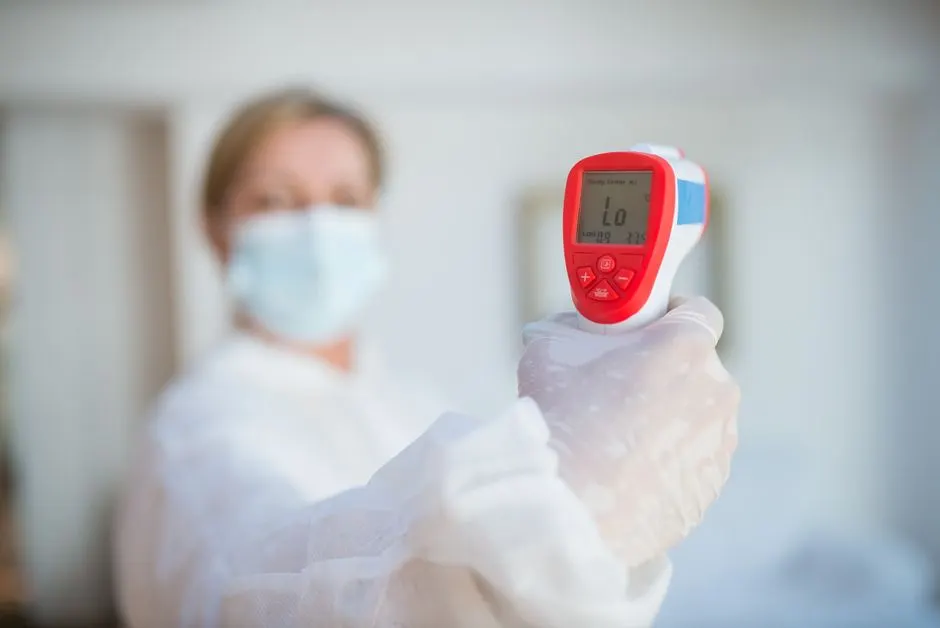
Masked healthcare worker using an infrared thermometer indoors for temperature screening.
Licensed Licensed & Bonded
Fully Insured Insured & Bonded
24/7 Emergency Same-Day Response
Warranty Backed Workmanship Guaranteed in Salt Lake City

What the Moisture Scan Includes

A standard visit focuses on thermal scanning of accessible surfaces related to your reported concern, interpretation of relevant patterns, and verification readings where practical. We explain observations and recommended next steps. Mold sampling, extensive concealed-cavity access, and repair work are separate services when needed; the scan itself does not identify mold or prove that a concealed area is dry.

Concern-Based Walkthrough

We review the leak history, visible staining, odor, and rooms affected before scanning. You can point out plumbing, windows, roof transitions, or HVAC areas that concern you. This short walkthrough helps us focus the inspection on plausible water pathways rather than recording unrelated surfaces.

Thermal Surface Scan

We scan accessible walls, ceilings, floors, and nearby building surfaces with a thermal imaging camera. The technician compares patterns across adjoining areas and documents relevant anomalies. We account for room conditions and explain when sunlight, drafts, or heating equipment could affect the image.

Moisture Verification

We use a moisture meter to check selected accessible materials when a thermal pattern needs confirmation. Readings are interpreted in relation to the material and surrounding surfaces, not as a universal pass-or-fail number. Where a concealed cavity remains uncertain, we explain available follow-up options.

Findings and Next Steps

We review the scan locations, observations, and follow-up recommendations with you. If the evidence points toward a roof, plumbing, or condensation issue, we identify the relevant area to investigate. You can use the findings to coordinate repairs or request a separate mold assessment.

Thermal Imaging for Moisture Detection in Salt Lake City


Thermal Imaging for Moisture Detection Salt Lake City UT is a non-invasive inspection method that maps temperature differences to help locate areas where water intrusion or damp building materials may be present. A thermal imaging camera does not see water directly; it shows patterns that an inspector checks against visible conditions and readings from a moisture meter. We scan accessible walls, ceilings, floors, and other surfaces, then document irregular patterns for targeted follow-up. This helps you focus investigation on likely trouble spots instead of opening broad sections of finished material without evidence.

Salt Lake City homes face a mix of winter pipe leaks, spring snowmelt, roof seepage, and condensation around cold exterior walls. In older buildings, layered finishes can conceal a small leak until staining or persistent musty odors appear. For an infrared moisture scanning for a Salt Lake City home visit, we consider the room's use, recent weather, plumbing locations, and ventilation before interpreting image patterns. That context matters: a cool patch alone is not proof of moisture, but a matching meter reading can help identify where further inspection is warranted.

What to Expect During the Scan

Thermal imaging for moisture detection in Salt Lake City, Utah follows a practical sequence: understand the water history, scan accessible surfaces, verify suspicious areas, and explain findings. Most residential visits take about 1 to 3 hours, depending on the number of rooms and the amount of follow-up testing requested.

01

Schedule

Call or book online — a real human picks up and confirms a 2-hour arrival window.

02

Diagnose

Licensed tech inspects on-site, then walks you through the cause and your options.

03

Fix

The job is completed to code and done right the first time — no shortcuts, no surprises.

04

Guarantee

Every job backed by a written workmanship warranty — and we stand behind it.

Tools and Inspection Methods

Tools & Equipment

FLIR Thermal Imaging Camera

The camera displays surface temperature differences across accessible building materials. We use patterns to guide investigation, not to claim that the device directly sees water or mold.

Tramex Moisture Meter

A moisture meter checks selected materials when a thermal pattern needs verification. Readings are compared with nearby areas and interpreted according to the surface and inspection conditions.

Protimeter Moisture Meter

This meter supports spot checks on accessible building materials around a suspected leak or damp area. We use readings as part of the evidence, alongside visual observations and thermal patterns.

Borescope

Where an existing opening provides access, a borescope can help view a concealed cavity. It is a targeted follow-up tool, not a substitute for broader inspection or appropriate material sampling.

Data-logging Hygrometer

A data-logging hygrometer records temperature and relative humidity over time when changing room conditions may affect condensation or thermal patterns. The readings add environmental context to the surface inspection.

Methods & Standards

Comparative Thermal Scanning

We compare a suspected area with nearby surfaces of similar material and exposure. This helps distinguish a localized anomaly from normal temperature variation caused by sunlight, HVAC flow, or an exterior draft. We record relevant patterns and verify suspicious areas rather than interpreting color alone.

Moisture Meter Verification

When a scan indicates an area for closer attention, we take readings on accessible materials and compare them with adjacent points. This supports a more grounded interpretation, but readings depend on material type and conditions. We explain the measured locations and what the results do not establish.

Moisture-Source Assessment

We relate findings to likely water pathways such as plumbing, roof transitions, window joints, foundation edges, or condensation. The inspection considers the reported timeline and visible conditions, then identifies a practical follow-up. If mold is suspected, a separate sampling method may be appropriate.

Mold-Sampling Coordination

When the inspection question includes possible mold, we discuss whether air or surface sampling adds useful information. Appropriate sampling materials, including a Spore trap cassette or Surface sampling swab, are used for the selected method. Laboratory testing answers a different question from thermal imaging, so findings are explained separately.

When to Schedule a Thermal Scan

01

A Sugar House homeowner finds a new ceiling mark after snowmelt but cannot locate the roof entry point.

What we do: We review the stain and the timing, then scan the ceiling and nearby wall surfaces for patterns that follow a likely water path. We check suspicious accessible material with a moisture meter and document where a roofer should look more closely.

→ You get a focused repair location and a clearer basis for deciding whether the ceiling needs monitoring, drying, or further inspection.

02

A Downtown Salt Lake City tenant reports a persistent musty odor near a bathroom wall without visible growth.

What we do: We inspect the reported area, scan around plumbing and adjoining surfaces, and check selected locations for elevated moisture readings. If the concern remains, we explain whether an access inspection or mold sampling would answer the next question.

→ The property manager receives a defined area to investigate instead of authorizing broad exploratory demolition based only on an odor.

03

A buyer notices basement dampness in an older Capitol Hill home during a pre-purchase walkthrough.

What we do: We scan accessible foundation walls and floor transitions, note visible conditions, and verify suspicious locations with a moisture meter. We relate findings to the reported history and identify whether drainage, plumbing, or further mold inspection deserves attention.

→ You can discuss a specific moisture concern before purchase and request the appropriate follow-up rather than relying on a single surface impression.

04

A small business sees recurring condensation around an exterior wall after cold nights.

What we do: We compare the affected surface with adjacent areas and account for room temperature, ventilation, and HVAC airflow. The scan and readings help separate a possible water intrusion issue from a condensation pattern that needs a different corrective approach.

→ You receive a clearer direction for building maintenance and can address the source before dampness or visible mold growth becomes more extensive.

How Scanning Works in Salt Lake City

Salt Lake City thermal imaging for moisture detection must account for sharp seasonal temperature differences, dry indoor heating, winter condensation, and spring snowmelt. In November and through winter, cold exterior walls and window edges can show temperature contrasts that deserve careful comparison; a cool patch by itself does not confirm a leak. Older homes in The Avenues and Capitol Hill may have plaster, masonry, additions, or multiple generations of repairs that change how heat moves through a surface. We ask about recent storms, roof work, plumbing repairs, and HVAC use before interpreting patterns. For an infrared water leak scan near Downtown Salt Lake City, we check accessible surfaces around the reported concern and verify selected areas with a moisture meter. We serve Salt Lake County neighborhoods and use local ZIP coverage including 84112 and 84114. If the concern involves mold, we keep moisture observations distinct from sampling results and explain the next step. Our inspection supports repair decisions; it does not replace required permits or code compliance for construction work.

Neighborhoods We Serve

  • The Avenues

    Older homes and varied wall assemblies can create uneven temperature patterns. We compare adjoining surfaces and consider prior repairs before identifying a location for moisture verification.

  • Sugar House

    A mix of older houses and updated interiors means plumbing routes and additions can differ from room to room. We use your leak history to focus the scan.

  • Downtown Salt Lake City

    Apartments and commercial spaces may have shared walls, mechanical systems, and multiple floors. We document the specific unit or area and account for nearby HVAC airflow.

  • Capitol Hill

    Sloped sites and basements can bring different moisture questions, from foundation dampness to roof transitions. We scan accessible surfaces tied to the reported symptoms.

Local Conditions We Plan For

  • Cold winter surfaces and indoor heating create strong temperature contrasts

    A thermal image can show cold patches from drafts, insulation differences, or moisture. We compare similar surfaces and check room conditions before deciding whether a pattern warrants moisture readings.

  • Spring snowmelt and roof drainage can expose entry points

    Water may travel along framing before appearing as a ceiling stain. We follow the reported location and inspect accessible areas around roof transitions, then identify where a roofer should verify the exterior source.

  • Basement seepage can affect floor edges and stored materials

    A visible damp patch may not show the full area of concern. We scan accessible transitions and use meter checks to help map where follow-up drying or moisture inspection is useful.

Tracing a Ceiling Leak

Before

A homeowner noticed a brown ceiling mark after a winter storm but could not tell whether the roof leak was active. The mark measured about 10 inches across, and the room had no obvious dripping. Without a focused inspection, opening the ceiling risked damaging a larger area than necessary.

After

We scanned the stain and nearby ceiling, then checked selected points with a moisture meter. The strongest anomaly was limited to a section about 2 feet from the visible mark, giving the roofer a defined area to investigate. The image guided the check; the meter and visible conditions informed the conclusion.

Maintenance: After the roof repair, the owner monitored the ceiling and watched for new discoloration over the next 2 to 4 weeks. Keeping gutters clear and checking the repaired roof transition after heavy weather helped reduce the chance of a repeat leak.

Before

A basement owner saw dampness along one foundation corner after heavy spring runoff. Stored boxes blocked part of the wall, and the visible area did not show how far moisture extended. A persistent earthy odor made the family concerned about hidden damp materials and possible mold.

After

We scanned accessible wall and floor-edge surfaces and took comparative meter readings at 6 locations. Findings highlighted two points for drainage follow-up and one area to recheck after drying. We explained that the inspection located moisture concerns but did not establish mold presence without appropriate sampling.

Maintenance: The owner moved stored items at least 6 inches from the wall, corrected the exterior drainage concern, and checked the area weekly during drying. Rechecking after 7 to 14 days helped show whether the moisture pattern was improving.

Before

A resident saw water beads each morning on a bedroom window and a cool patch on the nearby wall. The problem returned during cold weather, but there was no clear plumbing or roof leak. The household needed to know whether the wall was wet or the issue was surface condensation.

After

We compared the window surround with nearby wall surfaces, recorded room conditions, and checked accessible material with a moisture meter. The pattern and readings helped separate recurring surface condensation from a confirmed leak. We recommended practical ventilation and monitoring steps rather than unnecessary wall removal.

Maintenance: The resident ran the bathroom fan during showers, kept the bedroom air moving, and wiped the sill when condensation formed. They monitored the wall for new staining through the next cold spell and planned a follow-up if readings or visible conditions changed.

Solve Hidden Moisture Questions

A hidden leak can keep damaging materials long after the first stain appears, while condensation can imitate the same symptoms. If you are looking for a thermal camera moisture inspection near Sugar House, we focus on locating and checking the reported concern so you can choose a sensible repair or assessment step.

Problem

Musty odor with no visible source in a finished room

Odor can persist when damp materials remain behind finishes or beneath flooring. Without locating the likely area, repair work can miss the source and the smell may return.

Our Fix

We ask where the odor is strongest, scan nearby surfaces, and compare suspicious patterns with meter readings where accessible. We also consider airflow and room use, which can shift odors through a building. You get a focused location for follow-up rather than an unsupported claim that mold is present.

Problem

Ceiling discoloration after a roof or plumbing leak

A dry-looking stain does not confirm that nearby materials are dry. Remaining dampness can affect insulation, ceiling board, or framing and may lead to further visible damage.

Our Fix

We scan around the stain and along plausible water paths, then check relevant accessible surfaces with a moisture meter. The findings help distinguish a localized old mark from an area that needs further attention. We recommend addressing the leak source first and coordinating any material removal with the repair professional.

Problem

Cold exterior-wall patches and recurring window condensation

Cold surfaces can collect condensation during winter, while drafts or insulation gaps can create similar thermal patterns. Treating the wrong cause can leave moisture recurring through the season.

Our Fix

We compare the wall and window area with nearby surfaces and consider heating, ventilation, and weather exposure. If readings suggest damp material, we explain where further checking is useful. If the pattern better fits a temperature or airflow issue, we help you direct the question to the appropriate building professional.

Problem

Uncertain moisture spread after a basement seepage event

Water can travel along a floor edge or behind stored items, making the visible wet area smaller than the affected area. Delayed checks can leave damp materials in place.

Our Fix

We scan accessible basement surfaces and verify selected locations with a moisture meter. We note affected transitions and discuss whether additional moisture mapping or mold assessment fits the situation. You can then prioritize drying, drainage correction, or a more detailed inspection based on the evidence.

Clearer Answers, Less Opening

Clearer Answers, Less Opening

A thermal scan gives you a faster way to narrow down a moisture concern while keeping finishes intact during the initial investigation. We use the images as part of an inspection, not as a standalone diagnosis, and explain what each finding means for your property.

  • Targeted Investigation

    Thermal camera moisture inspection Salt Lake City property owners request can help identify a concentrated area for follow-up instead of guessing which wall to open. We compare image patterns with a moisture meter and the building layout, then mark specific locations for closer inspection. That gives your plumber, roofer, or remediation contractor a more useful starting point.

  • Fewer Unneeded Cuts

    A scan can reduce exploratory damage by directing attention to a smaller section of drywall, ceiling, or flooring. It does not guarantee that every wet area will appear, but combining thermal patterns with surface readings often helps us avoid broad, uninformed demolition. You get evidence to guide the next step before finishes are disturbed.

  • Earlier Warning Signs

    Cool-season leaks and condensation can develop behind finishes before a stain becomes obvious. We check suspicious temperature patterns around exterior walls, windows, plumbing routes, and ceilings, then confirm concerns with a moisture meter where accessible. Catching a developing issue sooner can help you address the water source before damp materials support visible indoor mold growth.

  • Useful Repair Records

    We document scan findings and the locations checked so you can share a clearer record with a contractor, property manager, or insurer. The report distinguishes observed temperature patterns from confirmed moisture readings. That distinction helps prevent an image from being treated as proof of a leak when the evidence points elsewhere.

Inspection Standards and Care

Licensed & Certified

  • Council-certified Microbial Investigator — issued by American Council for Accredited Certification
  • Council-certified Indoor Environmental Consultant — issued by American Council for Accredited Certification
  • Council-certified Indoor Environmentalist — issued by American Council for Accredited Certification
  • Laboratory accreditation for analytical testing — issued by AIHA Laboratory Accreditation Programs

Verified Reviews

Customer feedback Not stated

A homeowner in Salt Lake City described a ceiling stain that remained after a plumbing repair. The inspection compared thermal patterns with moisture readings and identified one area for follow-up. The customer valued the direct explanation of what the image showed and what still needed verification before any wall opening.

Customer feedback Not stated

A Sugar House resident reported a musty odor with no visible mold. The technician scanned around the exterior wall and checked accessible surfaces, then explained why a cool image pattern was not a mold diagnosis. The resident left with a specific next step for investigating the moisture source.

Customer feedback Not stated

A Downtown Salt Lake City property manager needed to assess a reported damp area between tenant visits. The team documented the scan locations and shared practical follow-up points for the repair contractor. The manager said the inspection helped narrow the work to the affected section instead of an entire room.

Inspection Knowledge That Matters

Moisture patterns need building-science context, not just a colorful camera image. Our Salt Lake City team relates thermal observations to water pathways, ventilation, material types, and room conditions, then checks suspicious areas with appropriate instruments. We use the EPA guidance for mold and moisture in buildings as a reference for practical moisture control and explain when an inspection finding calls for further assessment. Our work focuses on locating and documenting concerns; we do not present a temperature image as a laboratory result or a guarantee that a cavity is dry.

  • We compare suspicious surfaces with nearby areas and record room conditions before interpreting a temperature pattern.
  • A moisture meter helps us check whether an unusual image corresponds with elevated readings in accessible materials.
  • We distinguish likely water intrusion from common temperature changes caused by sunlight, drafts, insulation gaps, or HVAC airflow.
  • When mold sampling is part of the agreed inspection, we use suitable collection materials and maintain chain-of-custody documentation.
  • We explain findings in plain language so you can coordinate a focused repair rather than guess at the source.
Get Started Today
Inspection Knowledge That Matters

Frequently Asked Questions

Real answers to the questions we hear most often from local homeowners and property managers.

How much does thermal imaging for moisture detection cost in Salt Lake City?
A focused residential scan commonly costs $200 to $500 in 2026, depending on rooms, access, and verification needs. A small area with one reported leak takes less time than a multi-level property or a commercial inspection. We explain the price before proceeding. Thermal imaging identifies temperature patterns; moisture-meter checks or mold sampling can add work when the inspection question requires them.
Who offers infrared moisture scanning near me?
Salt Lake Mold Testing provides infrared moisture scanning in Salt Lake City for homes, rentals, and commercial properties. Call +1 866-896-8166 to discuss the affected area and recent water history. We pair thermal images with moisture readings where appropriate and explain whether you need a focused moisture inspection, mold sampling, or a repair contractor to address the water source.
Can a thermal camera detect moisture behind walls?
A thermal camera can reveal temperature patterns consistent with moisture behind a wall, but it cannot see or confirm water directly. We check the pattern against nearby surfaces and use a moisture meter where possible. Insulation differences, drafts, framing, and HVAC airflow can create similar patterns, so further verification may be needed before opening a wall or planning repairs.
When is thermal imaging useful during a mold inspection?
Thermal imaging is useful when a leak, stain, or musty odor suggests hidden dampness but the exact area is unclear. During a mold inspection, we can scan around plumbing, roof transitions, exterior walls, and HVAC components, then verify suspicious spots. It helps guide targeted follow-up; it does not replace air sampling, surface sampling, or laboratory analysis when those are needed.

Related Inspection Services

Mold Inspection

A mold inspection considers visible growth, odor, moisture sources, and building conditions alongside thermal findings. For Salt Lake City properties, we can use the scan to identify areas for closer inspection, then document relevant observations so you understand whether further sampling or moisture correction is appropriate.

View Mold Inspection

Mold Testing

Thermal images show temperature patterns, not mold. If your scan identifies a damp area or you have unexplained symptoms or odor, mold testing can help assess airborne or surface conditions. We select sampling based on the question and explain what a laboratory result can and cannot establish.

View Mold Testing

Indoor Air Quality Testing

A hidden moisture concern can coincide with musty odors or elevated airborne mold spores. Indoor air quality testing adds measurements or samples relevant to the indoor environment, while thermal imaging helps locate possible damp building materials. Together, the findings can guide a more complete investigation.

View Indoor Air Quality Testing

Mold Assessment and Written Reports

When thermal findings and inspection observations need a clear record, a mold assessment can organize locations, moisture concerns, and recommended next steps. We explain which conditions were observed and which require confirmation, helping Salt Lake City owners coordinate repairs without treating a thermal pattern as a mold diagnosis.

View Mold Assessment and Written Reports

Residential Mold Inspection

For a home with a ceiling stain, basement odor, or suspected plumbing leak, residential mold inspection can build on thermal scanning. We check relevant rooms and accessible materials, then discuss whether sampling is useful. The goal is a clear account of the moisture concern and any visible mold conditions.

View Residential Mold Inspection

Commercial Mold Inspection

Commercial spaces often involve larger floor areas, multiple HVAC zones, and several water pathways. Thermal scanning helps prioritize locations for closer inspection, while a commercial mold inspection documents building conditions and occupant concerns. We coordinate the work around the areas and operating needs you identify.

View Commercial Mold Inspection

Book Thermal Imaging for Moisture Detection

A ceiling stain, unexplained odor, or suspected hidden leak deserves a focused check. Call Salt Lake Mold Testing at +1 866-896-8166 to book a thermal moisture inspection; our team will help you identify the affected area and explain the next step.

Call our team Book an Inspection

Contact Salt Lake Mold Testing

Salt Lake City homeowners and property managers can call +1 866-896-8166 to discuss a leak, odor, stain, or post-remediation concern. Our phone line is open Monday through Friday, 8:00 a.m. to 6:00 p.m.; tell us which rooms are affected and when the water event occurred. We will help you identify the inspection or testing service that fits.

Or call us right now at +18668968166 — we answer.

Salt Lake Mold Testing


  • Phone

    +18668968166
  • Address

    Salt Lake City, Utah

  • Hours

    Mon–Fri: 7AM – 7PM
    Sat: 8AM – 4PM
    Sun: Emergency Only
    24/7 Emergency Available

Call +18668968166 Get Quote
Call Quote