01
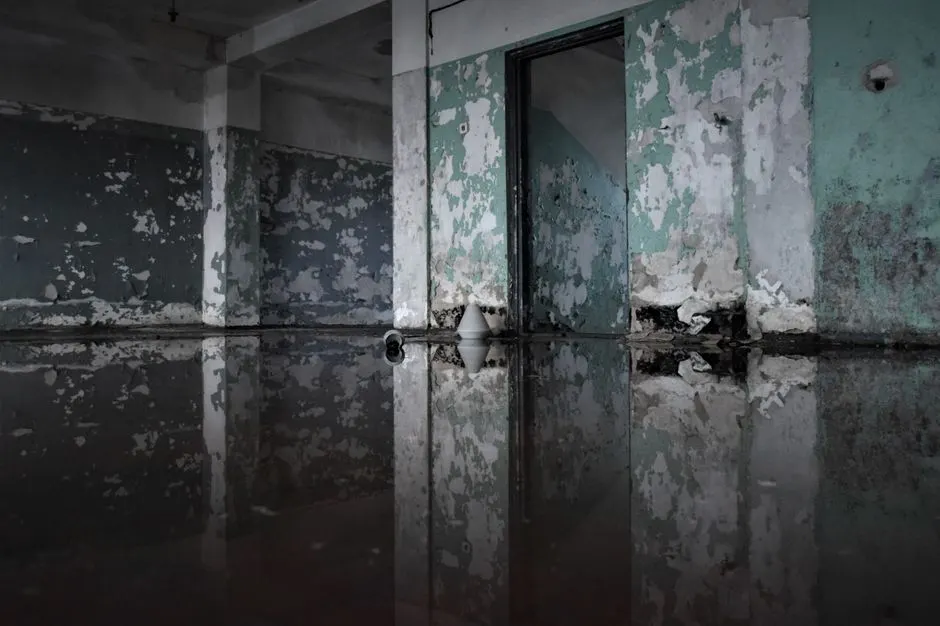
A frozen supply line breaks overnight and water reaches a bedroom wall and floor.
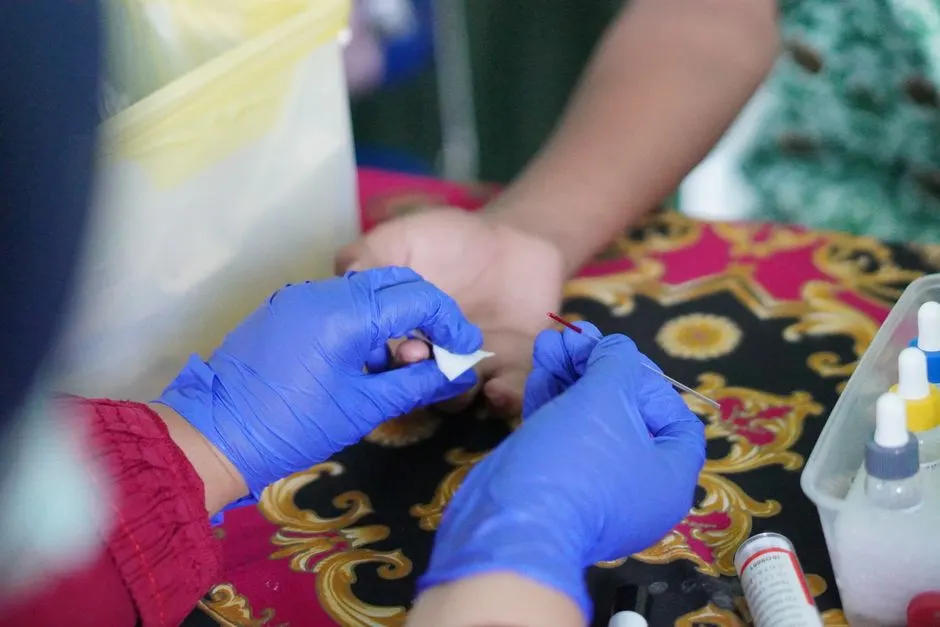
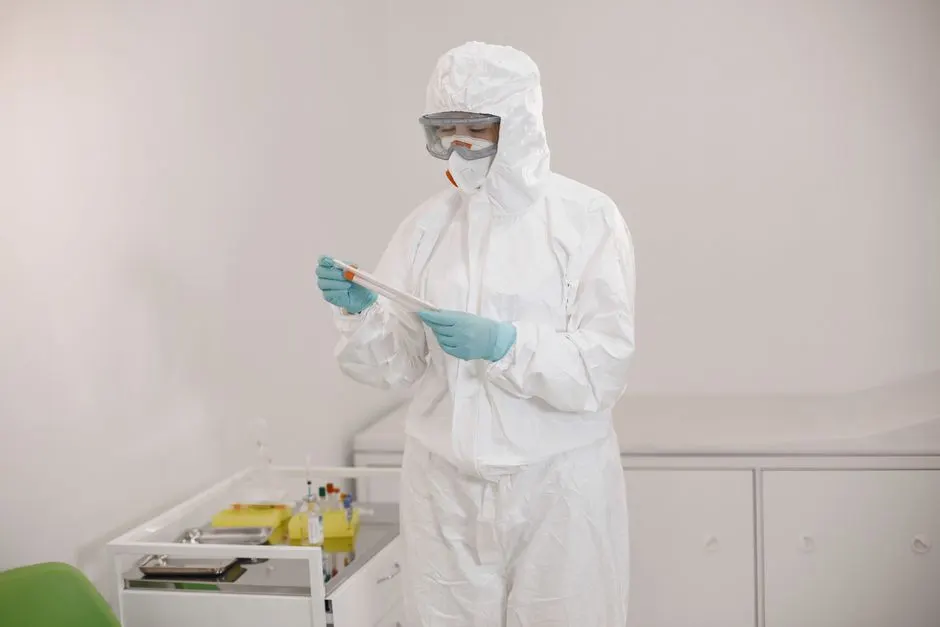
What we do: After the water source is shut off, we inspect the affected room and connected wall or floor edges. We map moisture, check accessible materials, and document conditions that remain damp. If a musty odor or visible growth develops, we determine whether targeted sampling adds useful information.
→ You know which areas need drying or access and can give a restoration contractor a focused record of the damage.
02
A roof leak during winter weather leaves a ceiling mark that grows over several days.
What we do: We check the ceiling stain, nearby surfaces, and accessible attic materials for moisture patterns. Thermal imaging can help screen a wider area, followed by direct readings at suspicious locations. We also ask whether the roof repair stopped the entry and whether staining has changed.
→ You receive a clearer distinction between old cosmetic staining and materials that remain damp or need follow-up.
03
A rental unit in Central City has a persistent odor after a bathroom plumbing repair.
What we do: We document the repair history, inspect the bathroom and adjoining spaces, and check likely paths around the plumbing wall and vanity. If evidence supports it, we collect a targeted sample and record the exact location. Findings can be shared with the owner and repair contractor.
→ The landlord and tenant have a consistent record of observed conditions and a practical sequence for repair and follow-up.
04
A basement carpet was wet after a storm, but the surface now feels dry.
What we do: We assess carpet edges, baseboards, and accessible flooring or wall materials rather than relying on touch alone. Moisture readings help identify lingering dampness, while the inspection checks for odor and visible changes. We note any areas hidden by fixed finishes.
→ You can make an informed decision about drying, material removal, or continued monitoring instead of assuming the room is fully dry.