
Utah State Capitol
The Capitol provides a recognizable orientation point on the hill above West Capitol Hill. It helps distinguish the district's west-facing approaches from routes toward the eastern side of Capitol Hill.
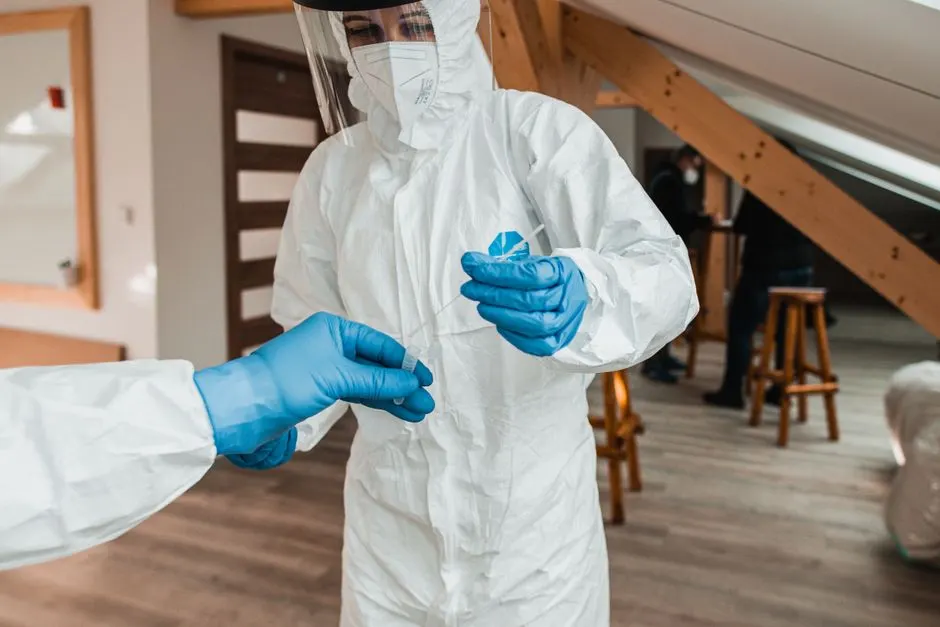
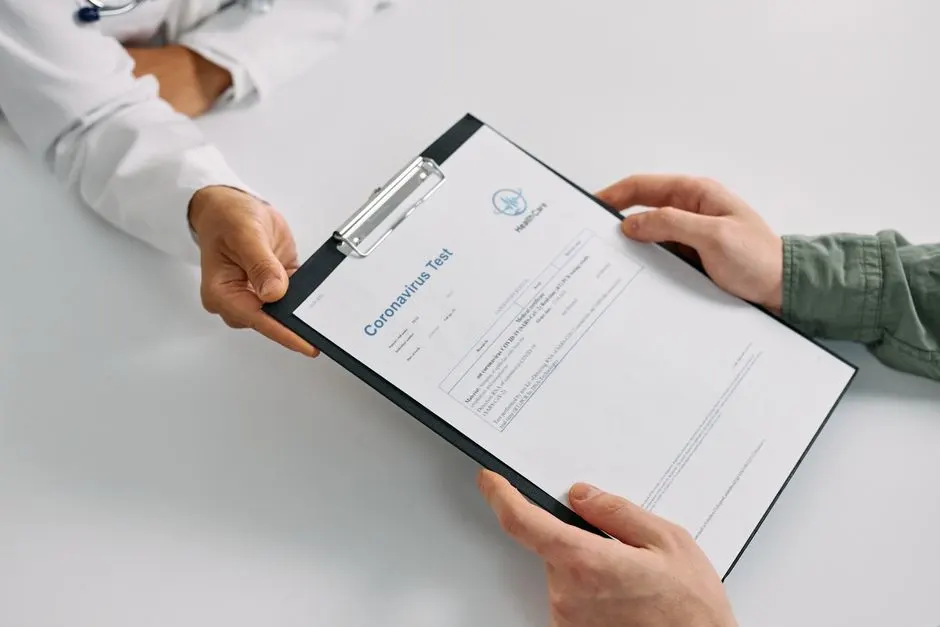
Mold Inspection and Testing in West Capitol Hill is an indoor environmental assessment that checks for mold growth, moisture sources, and airborne or surface contamination when a building has water damage, odors, or unexplained growth. Salt Lake Mold Testing serves homes and businesses in Salt Lake County, including the Marmalade District, the North Temple corridor, and the Warm Springs edge. Older homes and historic buildings are prominent here, and renovation histories vary; concealed plaster, framing, and finish layers can make targeted inspection more useful than guessing from a stain. We use a moisture meter and thermal imaging camera to trace damp areas before recommending sampling. For air testing, a HEPA air sampling pump draws a measured volume through a spore trap cassette; surface swabs or tape lifts answer different questions. We explain which method fits your concern. Our inspection can include a written report with locations, moisture readings, photographs, and practical next steps, without treating a laboratory result as a substitute for finding the water source.
Mold concerns here often begin with a basement odor after snowmelt, a ceiling mark below a roofline, or a renovation that reveals stained materials. We tailor the visit to the building and your question, whether you need an inspection before buying or laboratory analysis after a leak. For mold testing for homes in West Capitol Hill, Salt Lake City, we select air, surface, or bulk sampling based on the suspected source and the room conditions. The inspection also checks moisture pathways, so testing results have useful context.
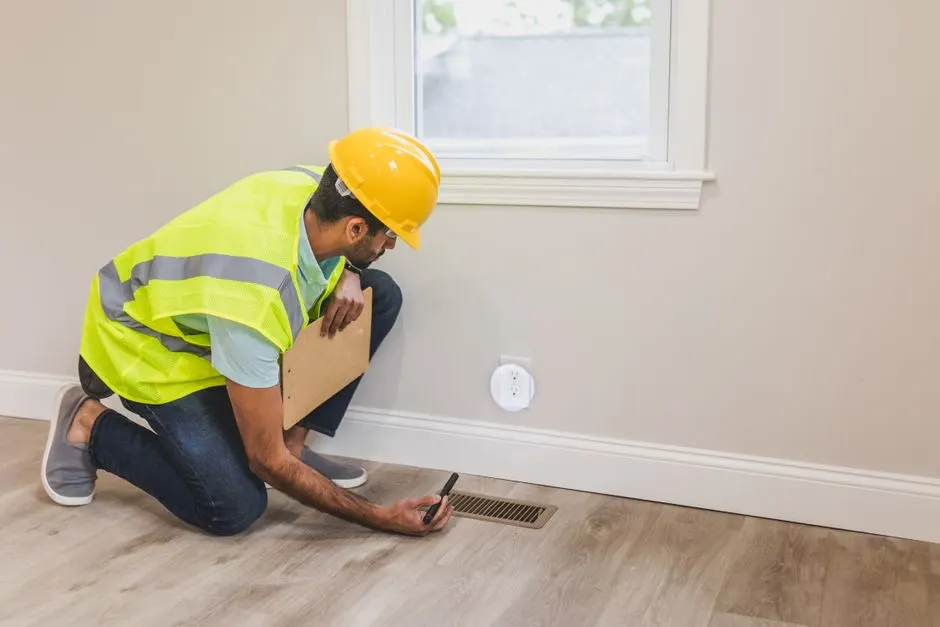

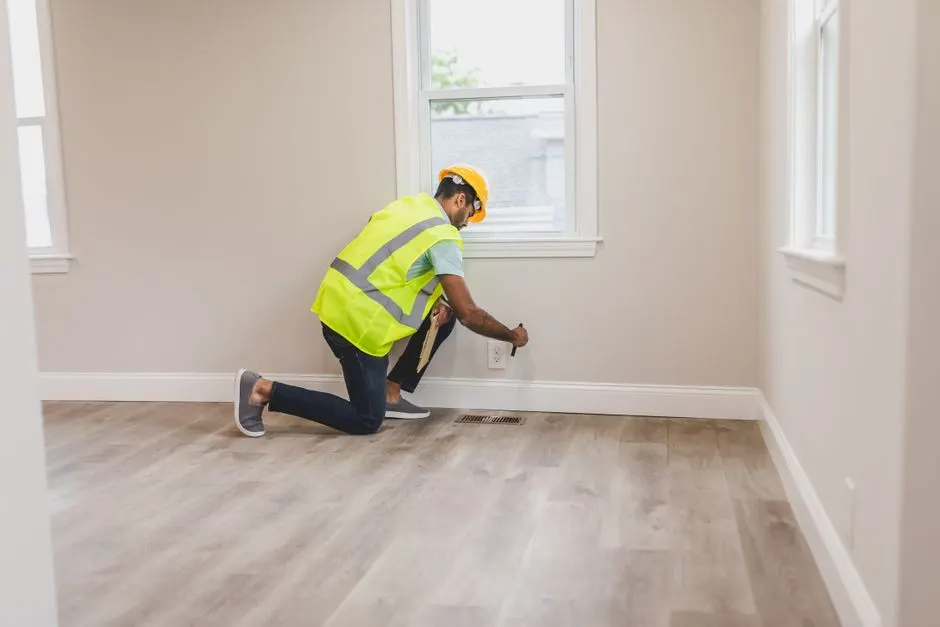



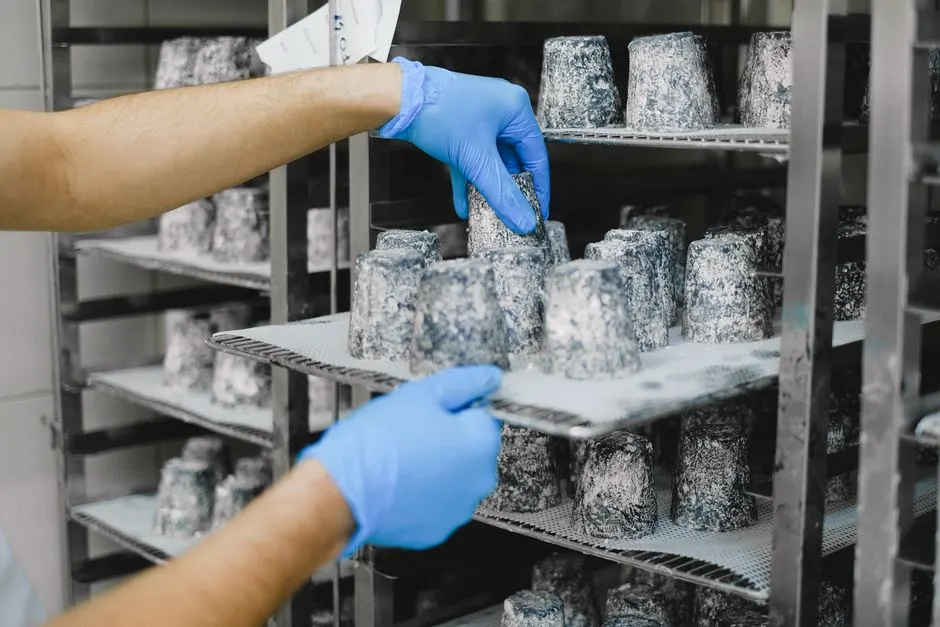
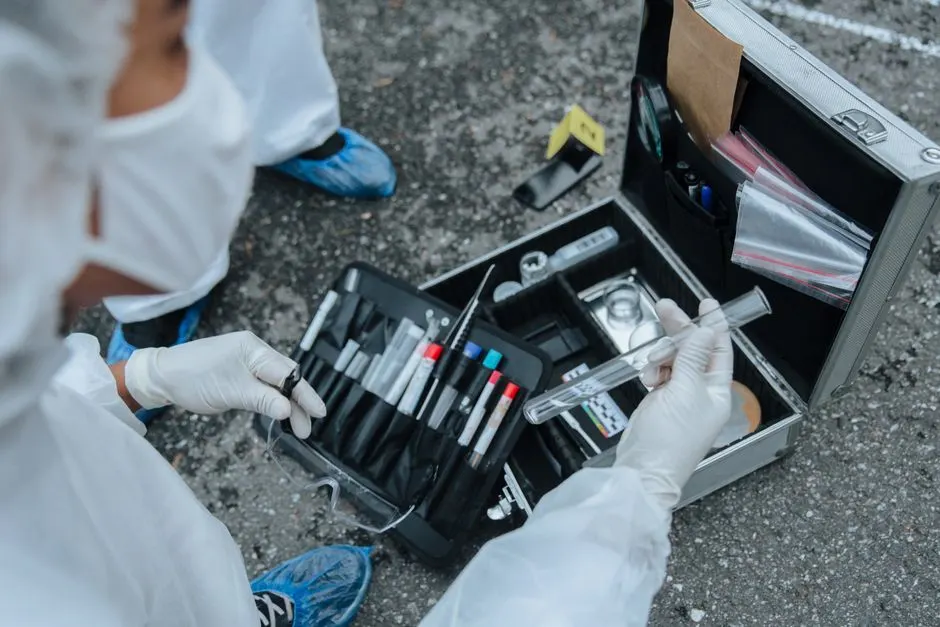
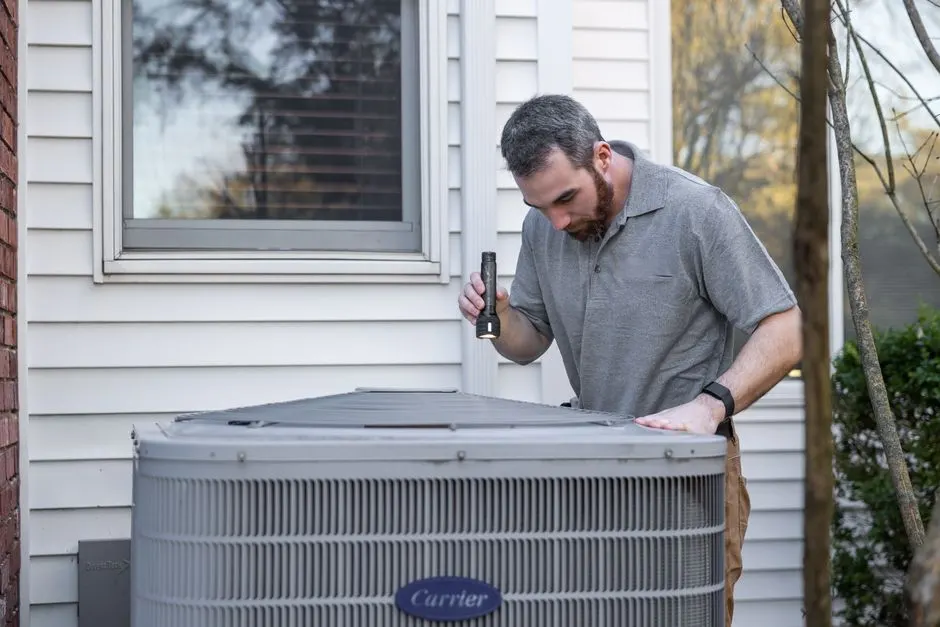
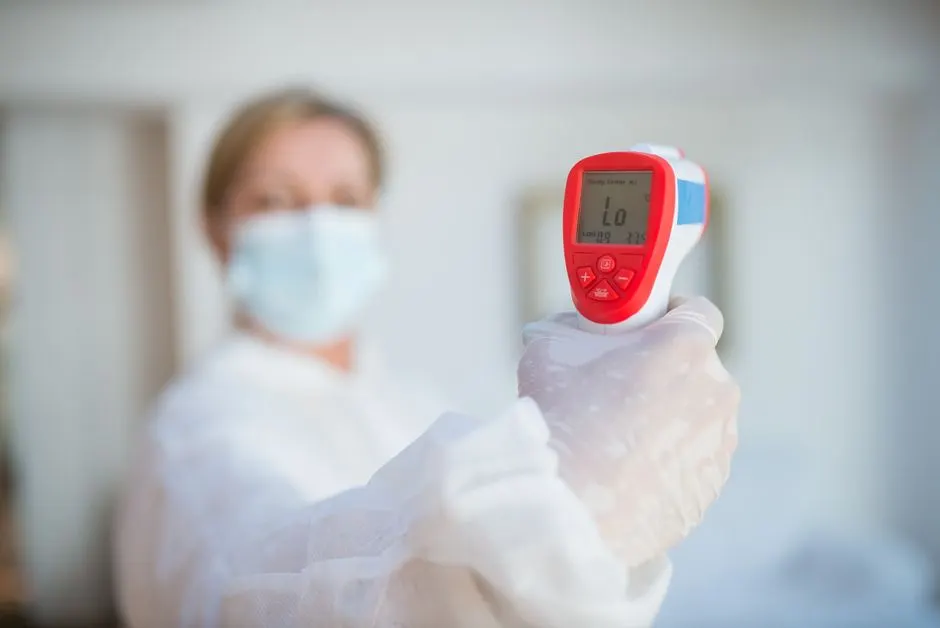
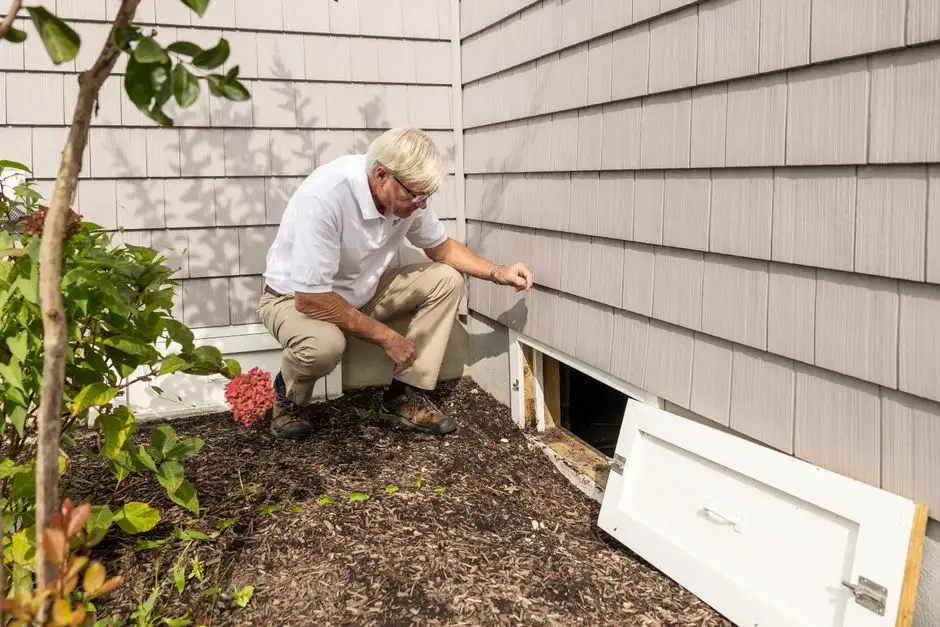
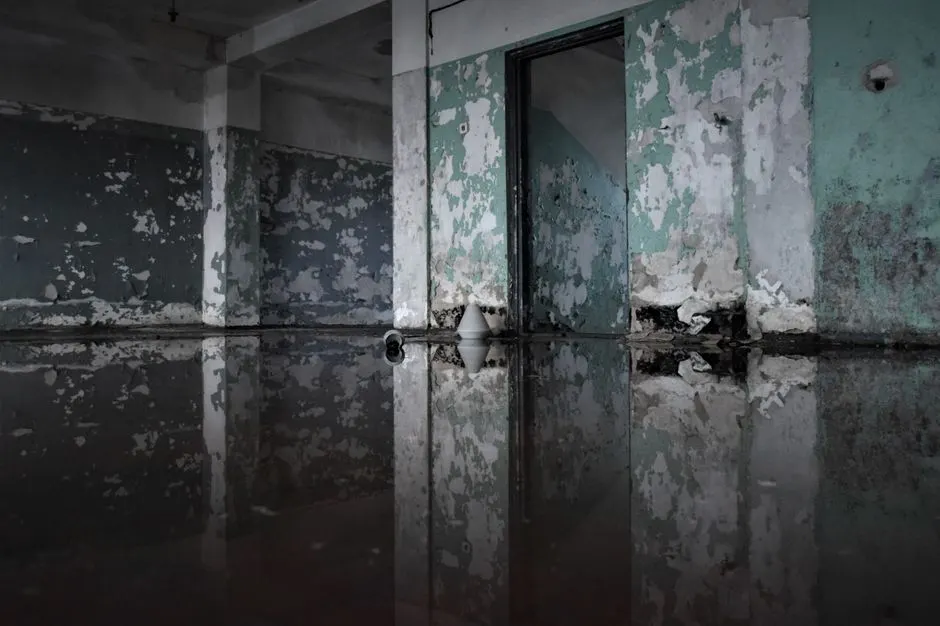
Older buildings, varied renovation histories, hillside elevations, cold winters, and snowmelt all shape the moisture questions we see across West Capitol Hill. None guarantees mold; the building's actual water history matters. A roof leak can affect an attic, while condensation can appear where warm indoor air meets a cold surface. West Capitol Hill Mold Inspection and Testing checks for the moisture condition first, then uses sampling to answer a defined question. We document accessible evidence so you can decide what repair or additional investigation fits the property.
Older homes and historic buildings often have layers of repairs, paint, and wall finishes. A prior leak may have been covered before the materials fully dried, or the source may have changed. A musty odor or recurring stain can justify targeted inspection, but concealed growth must not be assumed without evidence.
Hillside lots and varied elevations can influence runoff and foundation moisture. Snowmelt and wet periods may reveal water entry at lower walls, but condensation or plumbing leaks can produce similar symptoms. The source must be checked at the property rather than inferred from its position on a slope.
Cold winters and snowmelt can expose roof leaks, while ventilation and indoor humidity conditions can contribute to attic condensation. Staining may remain after a repaired leak, so color alone cannot establish whether the material is currently wet or affected by mold.
An odor may come from concealed damp materials, a past water event, or a separate indoor source. In properties with multiple renovations, the visible room may not be where moisture began. Air movement and HVAC operation can also change where a smell is noticed.
Call for an inspection when a moisture problem persists, visible growth returns, or an odor has no clear source. In older West Capitol Hill buildings, previous repairs can hide the path of a leak, while snowmelt and hillside runoff can make lower-level dampness recur. Mold Inspection and Testing near me in West Capitol Hill UT is a useful search when you need a local assessment, but the right service depends on what you observe. Note when the symptom appears, where it is strongest, and whether a leak or renovation preceded it.
Musty odor returning after wet weather
A recurring odor can point to damp materials that remain behind a finish or below a floor, even when no growth is visible. In West Capitol Hill, note whether it follows snowmelt or rain and which room is strongest. A prompt moisture inspection helps locate the source before the odor becomes a routine condition.
New staining below an attic or roofline
A ceiling mark or attic stain can follow roof leakage, condensation, or an earlier repair. The stain's shape alone cannot confirm mold or identify the cause. If it is spreading or the material feels damp, arrange an inspection and avoid covering it until moisture conditions are checked.
Visible growth returning after cleaning
Recurring spots often mean the moisture condition was not corrected, even if the surface was cleaned. Record the location and whether plumbing, exterior water, or condensation is nearby. We inspect the surrounding materials and determine whether sampling would add useful identification information.
Damp basement wall or crawl-space framing
Persistent dampness below grade can affect stored items, framing, and finishes, and may indicate water entry or condensation. Check for a change after snowmelt and keep the area accessible. A moisture map can show whether the problem is isolated or extends along the wall.
Odor or dust change when HVAC starts
A musty smell that appears with heating or cooling may warrant an inspection of accessible HVAC components and nearby surfaces. It does not prove that ducts contain mold. We assess moisture, visible conditions, and the specific air concern before recommending airborne sampling.
Landmarks help locate West Capitol Hill addresses, but they do not indicate a property's mold risk. The Utah State Capitol is a clear orientation point above the neighborhood, while Memory Grove Park and City Creek Canyon mark the eastern side of Capitol Hill. Marmalade Library and Pioneer Park help orient routes toward the district's western and southern approaches. We use the street address and access instructions to plan the final approach, especially where grade, parking, or older entry layouts affect arrival.
The Capitol provides a recognizable orientation point on the hill above West Capitol Hill. It helps distinguish the district's west-facing approaches from routes toward the eastern side of Capitol Hill.
Memory Grove Park sits by City Creek Canyon on the Capitol Hill side and serves as a geographic reference when approaching the area from the east. It is an orientation point, not a measure of property conditions.
Marmalade Library is a neighborhood reference point for addresses in the Marmalade District. Using the street address alongside this landmark helps clarify the western approach and avoids relying on broad neighborhood labels alone.
Plus surrounding Salt Lake County neighborhoods, with same-day routing on most appointments.
Averaging 4.9 / 5 across verified reviews.
“We had a musty smell in the basement after the snow began melting, and the inspection focused on the lower wall instead of pushing unnecessary testing. The technician checked moisture in several spots, explained the readings, and showed us why one area needed follow-up. The report made it easier to speak with our repair contractor.”
Maya R.
Capitol Hill west slope
“During a Marmalade District renovation, we found staining behind an old finish. Salt Lake Mold Testing documented the exposed material, explained what a surface sample could tell us, and gave us a report that separated observation from lab results. The visit was straightforward, and we knew what question to take to the contractor next.”
Daniel P.
Marmalade District
“We were preparing to buy an older home and were concerned about an attic odor. The inspector checked the roof area, took moisture readings, and explained the limits of visual inspection without making dramatic claims. The photos and written findings helped us discuss the roof and ventilation questions with the seller's contractor.”
Elena S.
West Capitol Hill Historic District
As November brings colder conditions, we pay particular attention to roof transitions, attic moisture, and lower-level dampness that may become more apparent as snow accumulates and melts. Cold winters and snowmelt can contribute to roof and below-grade moisture concerns, but problems can develop in any season. If you are looking for affordable mold inspector near West Capitol Hill, describe the location and history of the concern so we can plan the right inspection. Seasonal timing is useful context, not proof of mold.
Snowmelt and spring rain can make basement, crawl-space, and foundation-side dampness easier to notice. Check for new staining, a recurring odor, or stored items that feel damp. On hillside lots, the location and direction of the moisture pattern matter.
Tip: After a wet period, note which wall or room changed and whether the condition persists. Keep the affected area accessible and arrange moisture mapping before repainting or covering a stain.
Warm weather can increase indoor-outdoor temperature differences in cooled spaces and make condensation concerns noticeable around cold surfaces. Renovations also expose concealed materials. A summer inspection can distinguish a current moisture condition from an old mark left by a repaired leak.
Tip: Run bathroom and kitchen exhaust fans as intended, and report any odor that appears with HVAC operation. If a renovation exposes staining, photograph it and avoid disturbing suspected material before assessment.
Fall is a practical time to check roof areas, attic ventilation, and water entry points before colder weather. Leaves and rain can reveal drainage issues, while earlier summer leaks may leave damp materials behind. A new stain deserves a moisture check before winter conditions complicate access.
Tip: Look at accessible attic areas and ceilings after storms, and record any changes. If a roof leak occurred, tell us where water traveled and which materials were repaired or left in place.
Cold winter conditions can make roof leaks, attic condensation, and basement dampness more apparent. Snow accumulation and later melting can reveal water pathways. Heating systems may also change how odors move through a home, so note when a smell appears and where it is strongest.
Tip: Do not climb onto an icy roof to investigate. Photograph interior staining from a safe location, keep the area ventilated when appropriate, and contact us to assess accessible materials and moisture readings.
West Capitol Hill is part of our broader Salt Lake City service area. We coordinate routes between adjoining districts so a moisture inspection, sampling visit, or clearance check can be scheduled near the property rather than treated as a separate market. Coverage also includes addresses in ZIP codes 84116, 84115, and 84114 across the city. If the building sits near a neighborhood boundary, share the street address and the affected room so we can direct the right service.
(City)
Downtown lies south of West Capitol Hill and is a nearby service area for properties with similar access and scheduling needs.
View Downtown Salt Lake City(City)
Capitol Hill adjoins West Capitol Hill, with the property's exact position determining the most direct inspection route.
View Capitol Hill(City)
The Avenues are east of West Capitol Hill across Capitol Hill, making them a neighboring area within our Salt Lake City coverage.
View The Avenues(City)
Federal Heights is another nearby hillside service area; varied property elevations make address-specific routing useful.
View Federal Heights(City)
The University District is farther east within Salt Lake City and is served through the same citywide inspection and testing routes.
View University District(City)
East Bench is part of the wider Salt Lake City service region and can be coordinated with nearby inspection appointments.
View East BenchReal answers from our team for the questions we hear most often before a job starts.
If a basement odor, roof stain, renovation discovery, or post-remediation concern needs a clear answer, call Salt Lake Mold Testing at +18668968166. We serve West Capitol Hill and nearby Salt Lake City addresses, inspect moisture conditions, and explain whether sampling fits your concern. Reports document what we observed and measured. Call now to schedule your local assessment.
Salt Lake City homeowners and property managers can call +1 866-896-8166 to discuss a leak, odor, stain, or post-remediation concern. Our phone line is open Monday through Friday, 8:00 a.m. to 6:00 p.m.; tell us which rooms are affected and when the water event occurred. We will help you identify the inspection or testing service that fits.
Phone
+18668968166Address
Salt Lake City, Utah
Hours
Mon–Fri: 7AM – 7PM
Sat: 8AM – 4PM
Sun: Emergency Only
24/7 Emergency Available